
Sakura (Japanese Cherry)
Tourist Library 3
Sakura (Japanese Cherry)
by Dr. Manabu Miyoshi (三好学)
Tourist Library 3
Board of Tourist Industry, Japanese Government Railways, 1934
TOURIST LIBRARY
Volumes already published
I. TEA CULT OF JAPAN, By Y. Fukukita, A. B.
II. JAPANESE NOH PLAYS, By Prof. T. Nogami
III. SAKURA, By Dr. M. Miyoshi
Volumes in preparation
IV. JAPANESE GARDENS, By Prof. M. Tatsui
V. HIROSHIGE AND JAPANESE
LANDSCAPES, By Yone Noguchi
VI. THE JAPANESE DRAMA.
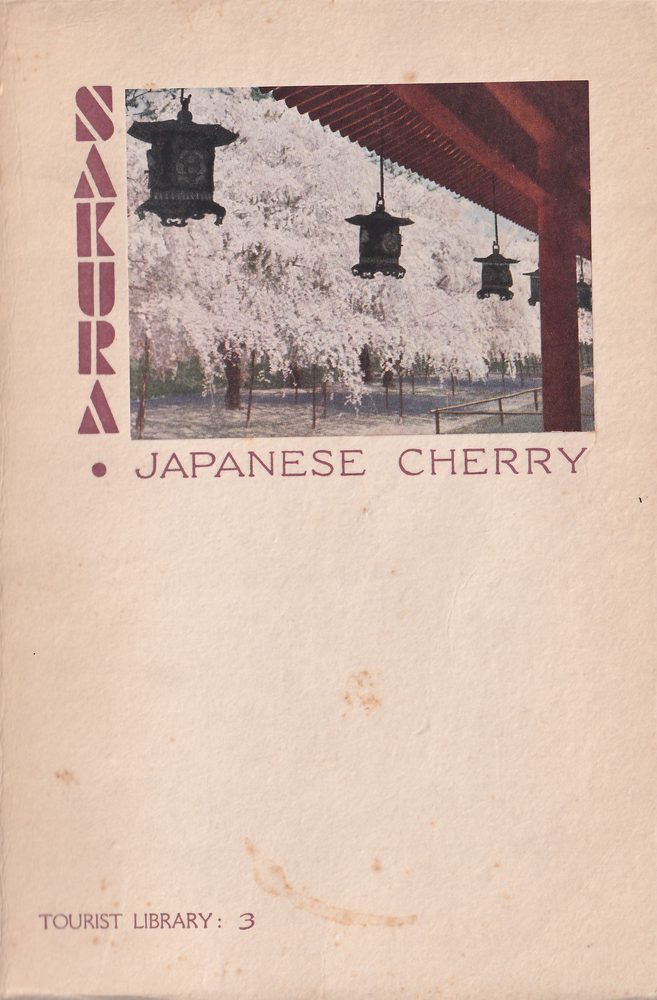
SAKURA
JAPANESE CHERRY
BY
DR. MANABU MIYOSHI
JAPAN
BRUCE HUMPHRIES, INC.
PUBLISHERS BOSTON, U.S.A.
EDITORIAL NOTE
It is a common desire among tourists to see the beautiful scenery of the countries they visit, as well as to learn something of their culture. Now, to see is easier than to learn, for flying visits hardly furnish the time or opportunity for more than a casual glimpse of the culture of any foreign people. This is specially true of Japan.
The Board of Tourist Industry recognizes the difficulty of attaining this high purpose, viz. to provide foreign tourists with accurate information regarding the various phases of Japan’s peculiar culture. It is endeavoring therefore to meet this obligation, as far as possible, by publishing this series of brochures.
The present series will, when completed, consist of more than a hundred volumes, each dealing with a different subject, but all co-ordinated. By reading therefore the entire series the foreign student of Japan may gain an adequate knowledge of the unique culture that has developed in this country through the ages.
For those who wish to follow up these studies with a closer investigation, bibliographies are appended, which we trust may be found reliable and authoritative guides in their study.
Board of Tourist Industry,
Japanese Government Railways
May, 1934
Almost everyone knows that Japan abounds in sakura or cherry trees. Generally speaking, however, the public has little knowledge about the kinds of Japanese cherry trees. To appreciate, in the true sense of the term, the real beauty of cherry flowers, and to understand rightly the virtues of sakura as the national flower of the country, one must know something of the characteristics of different kinds of Japanese cherry trees, because the beauty of cherry trees differs according to their species and environment. The same remark applies equally to those places which are noted for cherry trees.
What is important about the Japanese sakura is the very distant origin of its culture and the nation’s love for it. A perfect understanding of the history of sakura culture will enable one to realize the reason why and how Japan has produced so many varieties of these superb flowering trees.
The present brochure gives an outline of this history, together with a brief description of the preservation of noted sakura and the remarkable kinds of such trees in this land.
Manabu Miyoshi
March, 1934
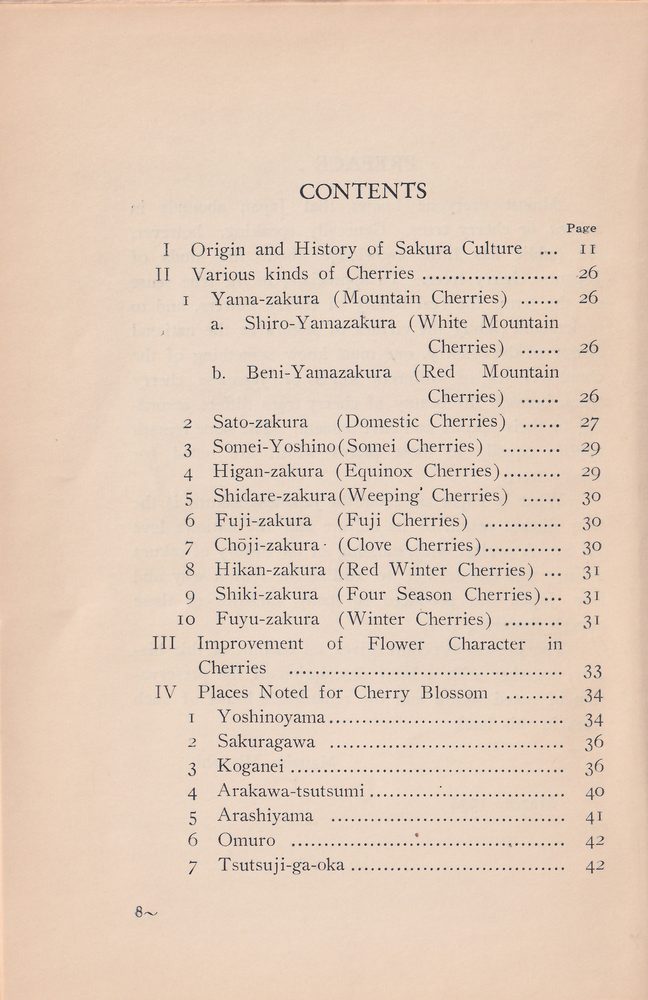
CONTENTS
Page
I Origin and History of Sakura Culture ... 11
II Various kinds of Cherries ................ 26
1 Yama-zakura (Mountain Cherries) ...... 26
a. Shiro-Yamazakura (White Mountain Cherries) ...... 26
b. Beni-Yamazakura (Red Mountain Cherries) ...... 26
2 Sato-zakura (Domestic Cherries) ...... 27
3 Somei-Yoshino (Somei Cherries) ......... 29
4 Higan-zakura (Equinox Cherries)......... 29
5 Shidare-zakura (Weeping’ Cherries) ...... 30
6 Fuji-zakura (Fuji Cherries) .......... 30
7 Chōji-zakura (Clove Cherries).......... 30
8 Hikan-zakura (Red Winter Cherries) ... 31
9 Shiki-zakura (Four Season Cherries)... 31
10 Fuyu-zakura (Winter Cherries) ......... 31
III Improvement of Flower Character in Cherries ............................. 33
IV Places Noted for Cherry Blossom ......... 34
1 Yoshinoyama........................ 34
2 Sakuragawa .......................... 36
3 Koganei .......................... 36
4 Arakawa-tsutsumi .............................. 40
5 Arashiyama .......................... 41
6 Omuro .......................... 42
7 Tsutsuji-ga-oka .......................... 42
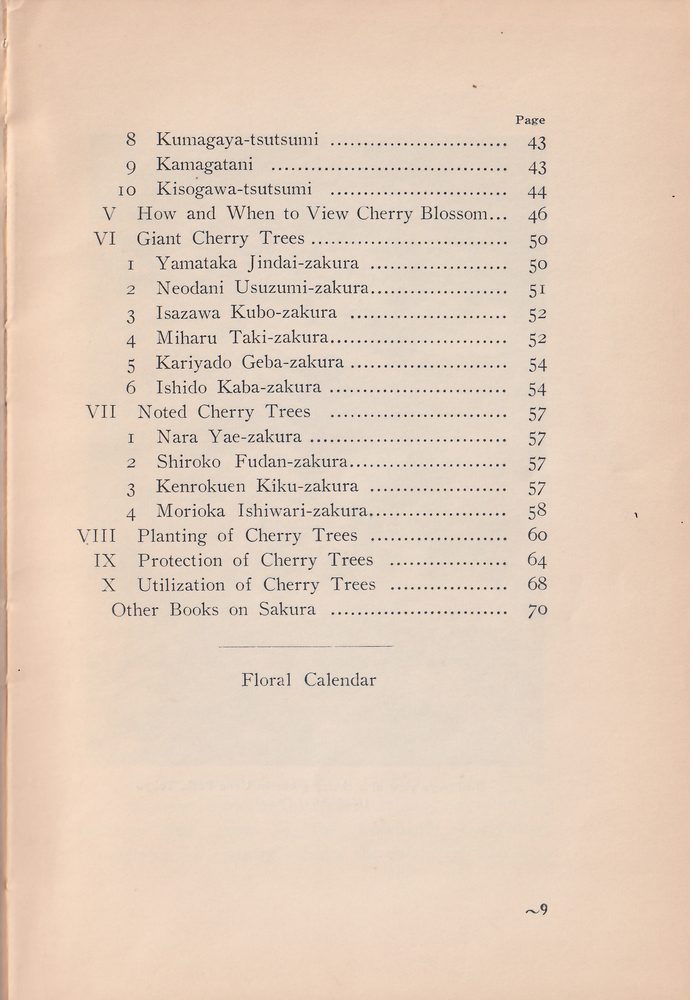
Page
8 Kumagaya-tsutsumi ........................... 43
9 Kamagatani ................................. 43
10 Kisogawa-tsutsumi ........................... 44
V How and When to View Cherry Blossom... 46
VI Giant Cherry Trees ......................... 50
1 Yamataka Jindai-zakura ..................... 50
2 Neodani Usuzumi-zakura...................... 51
3 Isazawa Kubo-zakura ........................ 52
4 Miharu Taki-zakura.......................... 52
5 Kariyado Geba-zakura ....................... 54
6 Ishido Kaba-zakura ......................... 54
VII Noted Cherry Trees ........................ 57
1 Nara Yae-zakura ............................ 57
2 Shiroko Fudan-zakura........................ 57
3 Kenrokuen Kiku-zakura ...................... 57
4 Morioka Ishiwari-zakura..................... 58
VIII Planting of Cherry Trees ................. 60
IX Protection of Cherry Trees ................ 64
X Utilization of Cherry Trees ................ 68
Other Books on Sakura ........................ 70
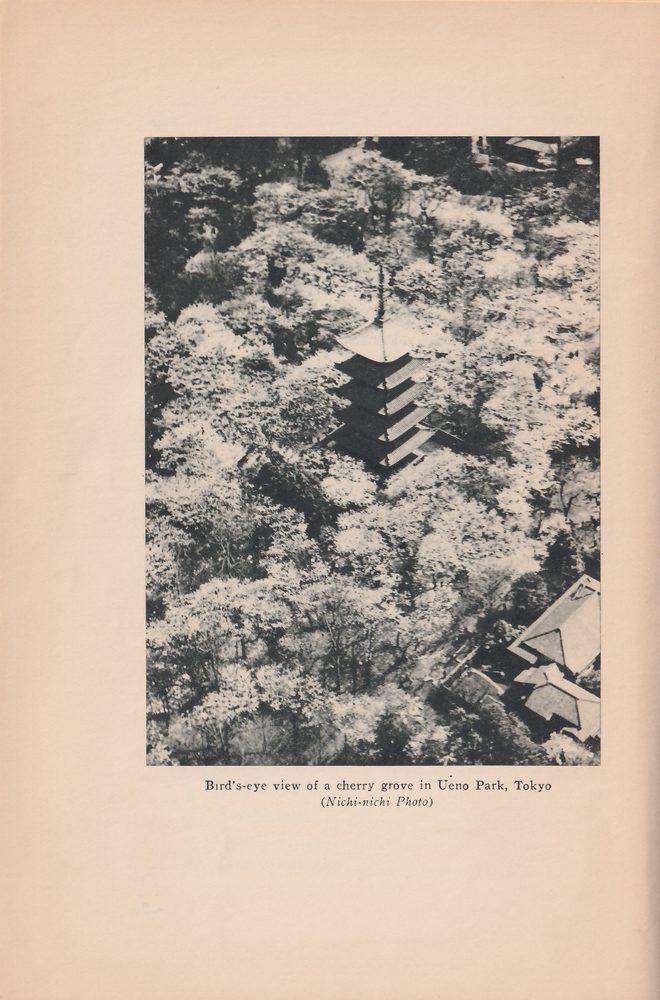
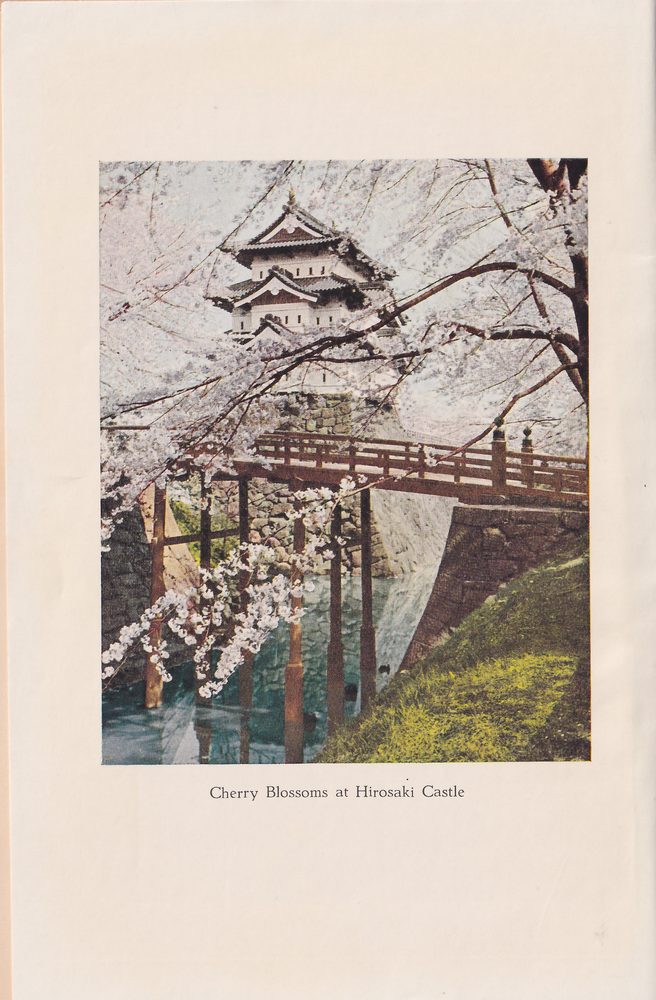
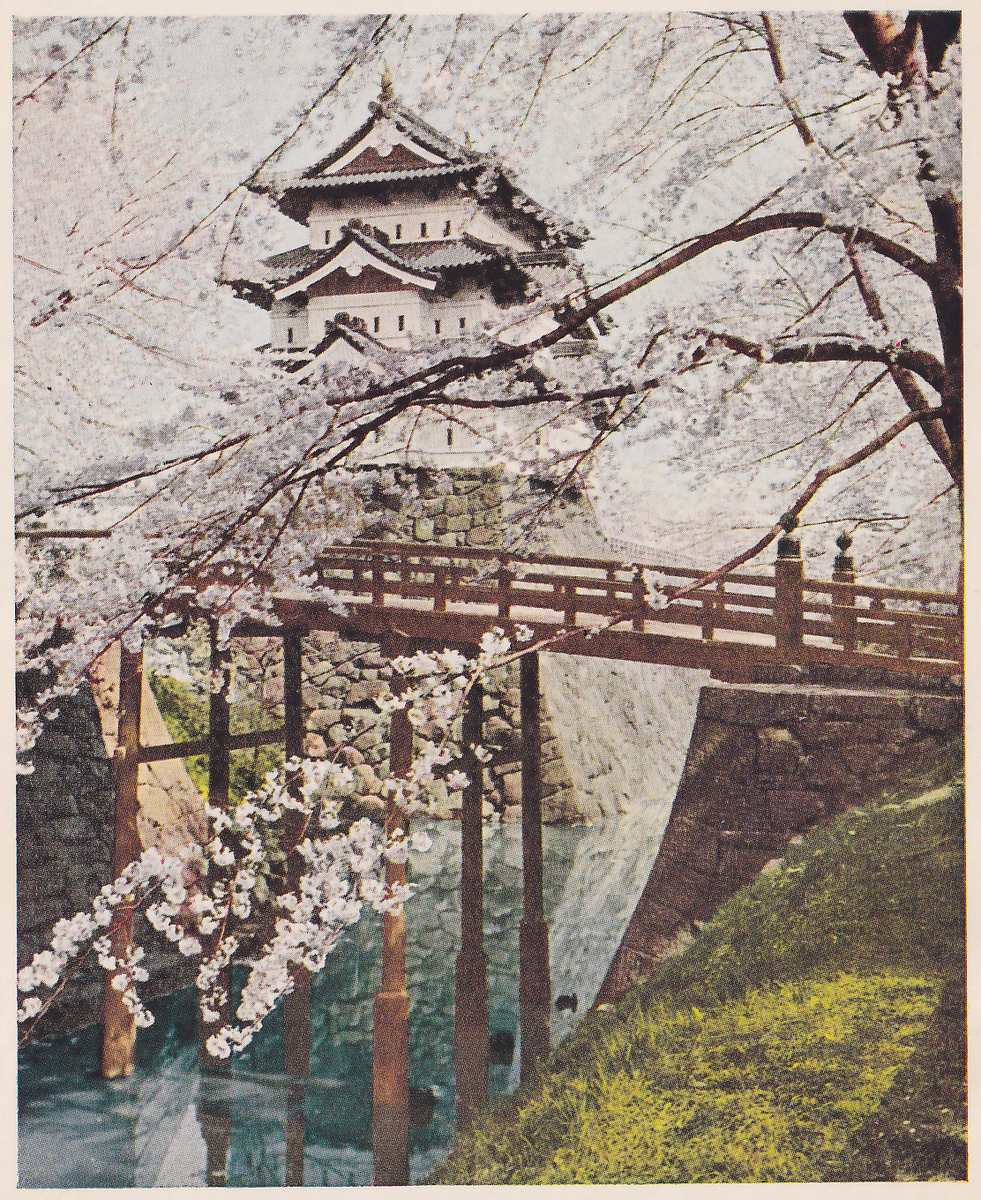
(Nichi-nichi Photo)