
Section 3: kaisho Basic
Welcome to Takase Shodokai
This is the third section of the Takase Shodokai Learn Japanese Calligraphy Series.
In this section we are going to continue to focus on lines and strokes. I hope that you have started to become accustomed to the strokes and that these are beginning to feel natural.
Your work should be similar to, or surpass, that of student 2. If your work is beginning to consistently resemble or surpass that of student 1 then you are doing extremely well.
-
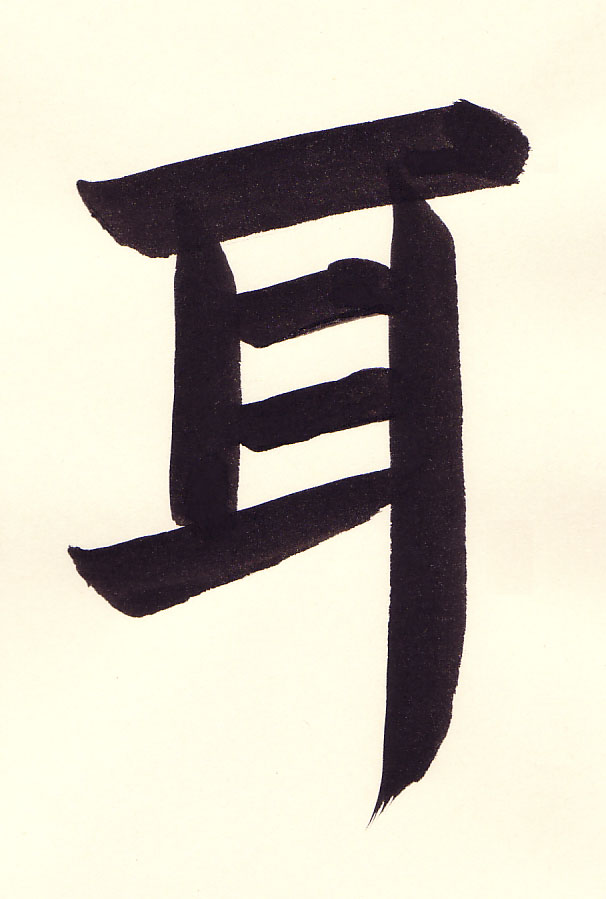 Lesson 13
耳 mimi · Ear
This is the first chance that we have had to work on a shin type tatega. The other feature to concentrate on is the migihane at the bottom of the character.
-
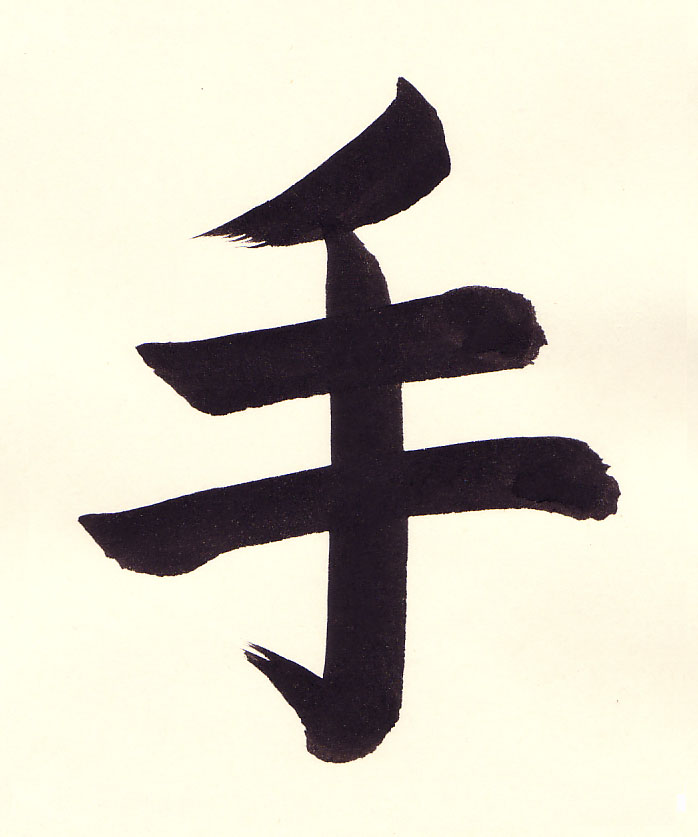 Lesson 14
手 te · Hand
The two features we will concentrate on are the hidarihane and the main tategahane.
-
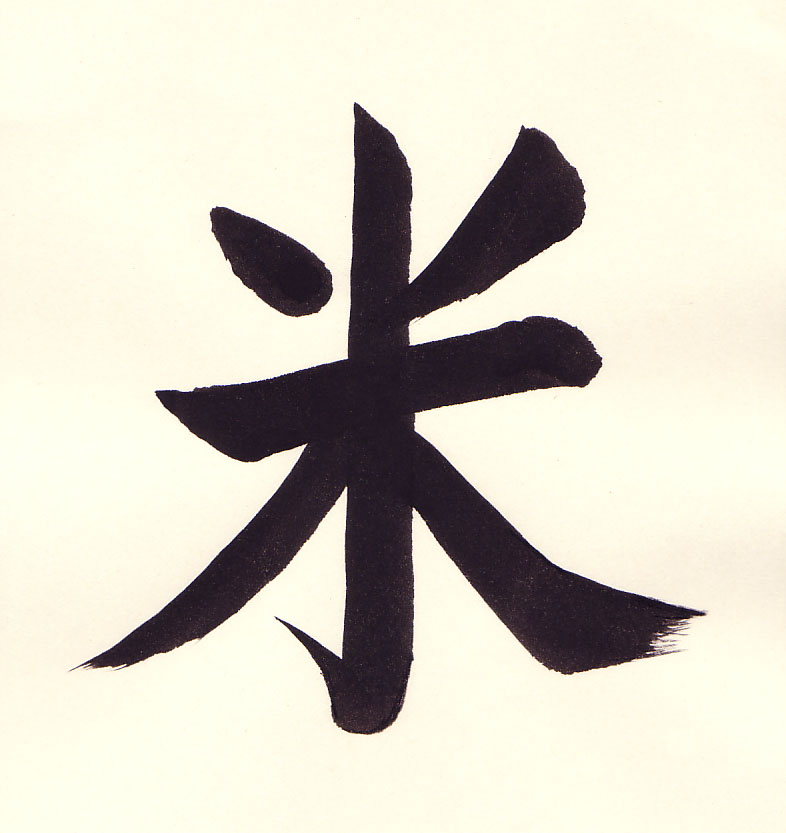 Lesson 15
米 kome · Rice
This lesson gives us a chance to revisit the opposing hidaribarai and migibarai.
-
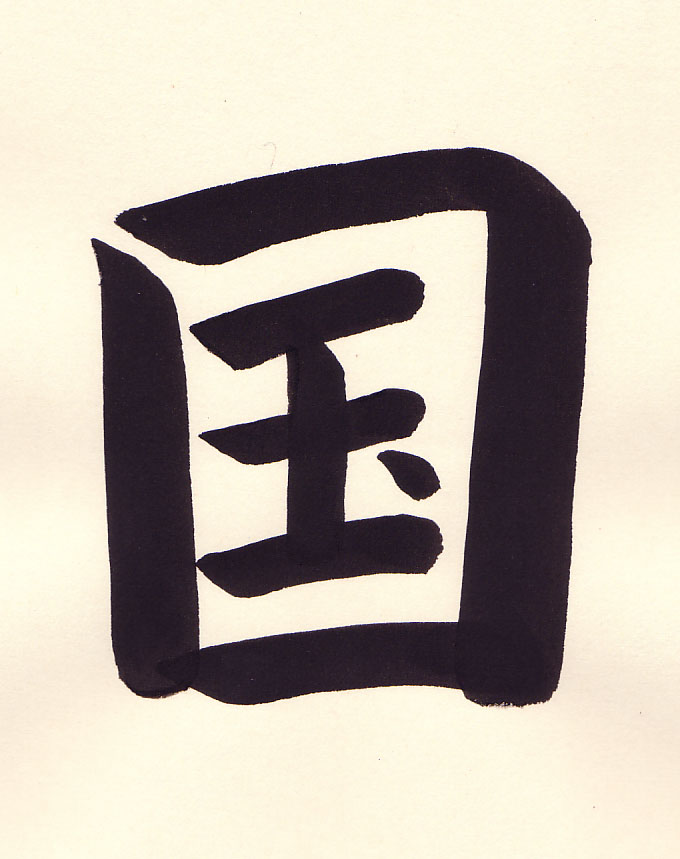 Lesson 16
国 kuni · Country
Before moving to two characters with important curved lines moving into a hane stroke, we are going to work with kuni that gives us a large tensetsu along with smaller yokoga.
-
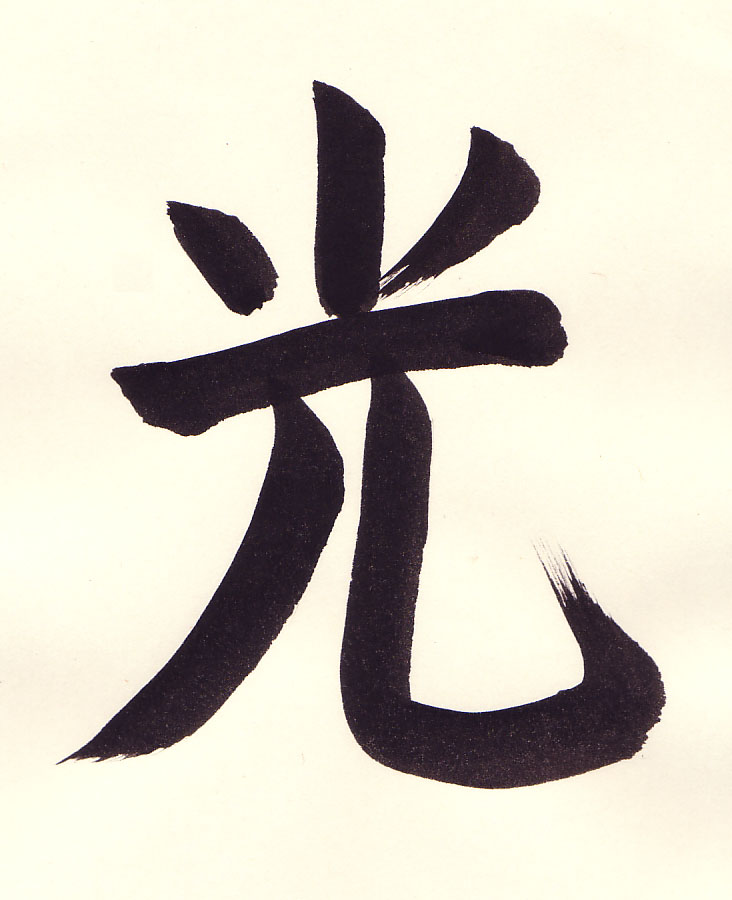 Lesson 17
光 hikari · Light
The main focus is a nice balance between the hidaribarai and the long curved stroke on the right ending in a hane stroke.
-
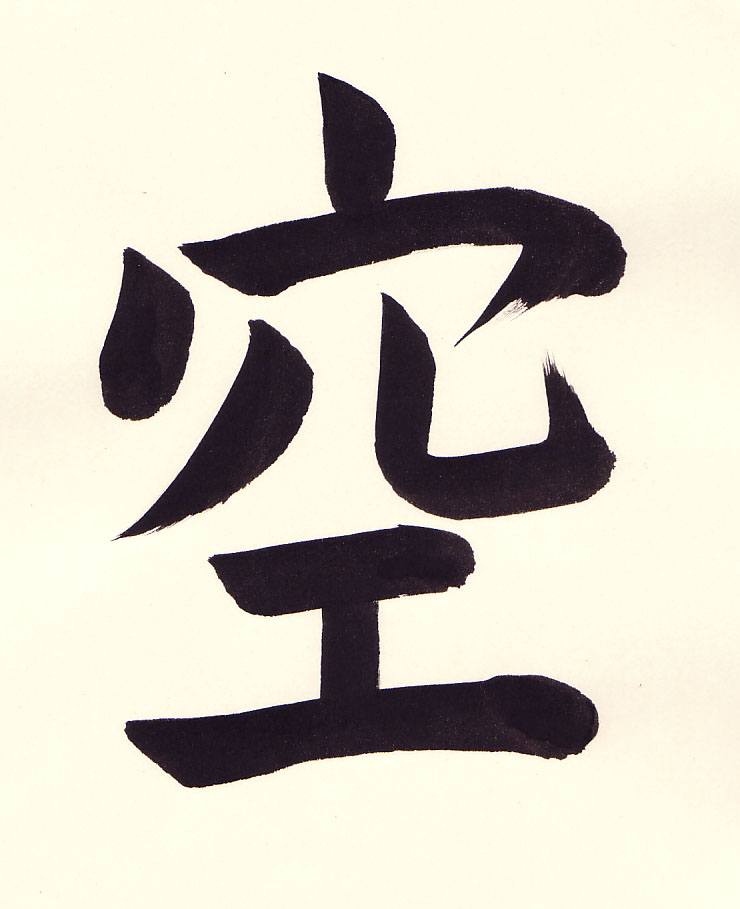 Lesson 18
空 sora · Sky
We end this section with sora which is a nice combination of precise tatega and yokoga along with two curved lines ending in a hane stroke.