実るほど頭の下がる稲穂かな minoru hodo atama no sagaru inaho kana The Riper the Rice, the Lower It Bows Its Head
実るほど頭の下がる稲穂かな (minoru hodo atama no sagaru inaho kana) is a proverb in the shape of a hokku. This history follows its image and its verse through Japanese books and into English.

Abstract
実るほど頭の下がる稲穂かな, the more the rice ripens, the lower it hangs its head, is a Japanese proverb in the shape of a hokku, said of a person whose learning and virtue grow deeper and who grows humbler toward others as they do [1][2]. Its image is older than its verse: a chronicle drafted in 1622 has a woman tell her husband that rice tilts when its grain fills and a man leans back when he fills, and a list of sayings printed in 1645 has the same pair, the rice that bows and the man who looks up [3][4]. The seventeen-syllable verse is first known in print, on the National Diet Library's full text, in February 1894, without a name, as an example of verse that teaches gravity and modesty, at a time when hokku collections were printing the bowing rice in other forms, and went into ethics lessons and mottos unsigned, until an anthology of 1932 gave it to the haikai poet Kokubu Taneyuki 國分胤之 [5][6][7]. I read it as an anonymous verse of the late Meiji hokku world, saying in seventeen syllables what the old pair said in two lines.
Overview
The sense. デジタル大辞泉, under 実るほど頭の下がる稲穂かな: 稲の穂は実が入ると重くなって垂れ下がってくる。学徳が深まると、かえって他人に対し謙虚になることのたとえ。, the ear of rice grows heavy and hangs down when its grain fills: a figure for a person who, as their learning and virtue deepen, becomes the more humble toward others [1]. ことわざを知る辞典 enters the proverb under the form 実るほど頭を垂れる稲穂かな and gives the same sense, 学問や技能が深まると、他人に対してますます謙虚になることのたとえ, as one's learning or skill deepens, one grows ever more humble toward others; its example is from Endō Shūsaku 遠藤周作 in 1974, a woman praising a gentle doctor: 稔るほど頭のさがる稲穂かな、って言うけど、そんな感じがするわよ, they say "the more the rice ripens, the lower it hangs its head", and that's how he seems [2]. The same dictionary sets the proverb beside an older saying, which it quotes from the 毛吹草 as ほさつみがいればうつふくにんげんみがいればあをのく, the 菩薩 (rice) bows when it fills; a man, when he fills, looks up, and closes with its own inference: この観察を一歩進め、じつは本当に内容のある人間は、中身が充実するほど謙虚になってほしいと願いながら、表向きはあくまで稲穂の描写として、五七五の形式で表現したのがこのことわざでしょう, the proverb, I suppose, takes that observation one step further: wishing that a person of real substance would grow humbler the fuller they become, it says so in the form of five, seven and five, outwardly as a description of the ear of rice [2]. The dictionary marks that account as its own surmise, with でしょう; the historical record below sets the witnesses side by side.
The words. 実る is to bear fruit, to ripen, of plants and grain, and, since the end of the nineteenth century on 日本国語大辞典's evidence, of effort that pays [8]. ほど, to the degree that, makes the line a proportion: the more it ripens, the more its head hangs. 頭 is read あたま in this form and こうべ, the older word for the head, in the form 頭を垂れる, as デジタル大辞泉 reads the two [1][2]. 頭が下がる by itself means to be moved to respect, 敬服する, and 日本国語大辞典 dates that sense from 1896, so a reader today may hear in the proverb both the hanging ear and the bowed head of respect [9]. The poet Issa 一茶 uses the phrase that way, of reverence that comes of itself, in a verse printed in his collected hokku of 1902: 自ら頭の下るなり神路山, of itself the head bows: Mount Kamiji (the hill south of the inner shrine at Ise [10]) [11]. 稲穂 is the ear of rice, a seasonal word of autumn [12][13], and かな is the exclamation that closes a hokku. In the older saying the rice is called 菩薩, bodhisattva, or 仏法, the Buddha's law: 日本国語大辞典 records 菩薩 as 米の異称, another name for rice, from 1614, in a sentence of the 慶長見聞集 that it quotes: 古仏しゃりへんじてすでによねと成と説れたり。かるがゆへに人間は米をぼさつと云, it is taught that the relics of the ancient Buddha turned into rice; so people call rice bosatsu, and 仏法 in the same sense from 1693 [14][15]. The verse has been printed in many wordings: 頭の下がる and 頭の下る, 頭の垂るゝ and 頭を垂れる, 頭を下ぐる and 頭を下げる, かしら低き and 頭はひくき; the forms are taken witness by witness below. 頭の下がる is the headword of デジタル大辞泉 [1].
The text in English. English met the proverb through an English proverb set beside it. A Japanese dictionary of English sayings edited under Nitobe Inazō 新渡戸稲造 printed in 1911 The boughs that bear most hang lowest with a Japanese rendering of its own, 實のる稻田は頭垂るる, the ripening paddy hangs its head [16]. Takenobu Yoshitarō 武信由太郎's Japanese-English dictionary of 1918 gave the 5-7-5 that same English proverb as its equivalent, and Kenkyūsha's dictionary kept the pair [17][18]. The books of Japanese proverbs in English translate the image: Buchanan in 1965, Ripening rice plants hang down their heads; Corwin in 1968, of wheat; the Maynards in 1993, The mature rice plant lowers its head [19][20][21]. JMdict today: the more learned, the more humble; the boughs bearing the most hang lowest [22].
The historical record
About 1622 to 1626. 『三河物語』, Ōkubo Tadataka 大久保忠教. The 三河物語 is the memoir of Ōkubo Tadataka, a retainer of the Tokugawa house, on the house's rise and his own family's service; its autograph draft is dated 1622, and the encyclopedias at kotobank put its completion in 1625 or 1626 [23]. It tells of a man whom Tokugawa Ieyasu 徳川家康 had raised from a lowly post to govern more than twenty villages, and who plotted to betray him. He told his wife that she would be called 御臺, my lady, and she answered him with a saying. As the edition of 1912 prints her words: 佛法は實がいればかたぶくと云ふ、人間は實がいれば反ると云は、御身之事成とて、其後物もいはず, "They say the 佛法 tilts when its grain fills, and a man leans back when he fills: that is you," she said, and after that said nothing more [3]. The plot was found out, and he was arrested. The edition of 1890 prints the same words in kana, ふつぽうハ。みがいれバかたぶくと云。人間ハ。みがいれバそると云ハ, with a note in its upper margin: 佛法モ菩薩モ米ヲ云フ此頃ノ方言ナリ, both 佛法 and 菩薩 are names for rice, a usage of that time [24]. A manuscript copy at the University of Tokyo writes the rice's half 佛法ハ身カ入ハカタムク, the verb in another spelling [25]. The rice tilts as it fills and the man leans back: the saying is already a reproach, turned on a man made proud by promotion. Whether the wife spoke these words is the chronicle's to answer; the saying is dated here by the text, to the 1620s.
1638 to 1645. The 毛吹草. The 毛吹草, a handbook of haikai with a preface of 1638, printed in 1645 [26], has a long list of common sayings in kana, and in it, between しやりほつのちゑ, the wisdom of Śāriputra, and ねんりきはいはをとほす, will pierces rock, two lines stand as a pair: ほさつみがいれはうつふく / にんげんみがいれはあをのく, the bodhisattva, when its grain fills, bows its face; a man, when he fills, looks up [4]. The rice bows, うつぶく; the man turns his face up, あをのく. Fujii Otoo 藤井乙男, who reprinted the list in 1929, glossed the first word 菩薩は米をいふ, 菩薩 means rice [27]. The printings of 1655 and 1662 have it at the same place in the list, though in the 1662 copy read here the rice's line runs into the binding and only the man's can be read [28][29]. Later books write the rice's verb うつむく, a word of the same sense [30].
1719 and 1721. Nishikawa Joken 西川如見, 『町人嚢』 and 『百姓嚢』. Nishikawa Joken (1648–1724), the Nagasaki scholar of astronomy and geography, wrote two books of counsel, for townsmen and for farmers [31][32]. In 『町人嚢』, printed in 1719, he writes of a merchant's savings: 財寶を多く貯へもてるはおのれが身のため也人にほこりたかぶるべき理なし世話にもぼさつ實がいればうつぶき人間實がいればあをのくといへるもよきいましめにこそとなん, he who has laid up much wealth has laid it up for himself, and there is no reason in it to be proud before others; the common saying, too, "the bodhisattva bows when its grain fills, a man looks up when he fills", is, they say, a good admonition [33]. In 『百姓嚢』, with a preface of 1721 [34], he tells of a farmer who built a new house and asked a Shinto practitioner for a blessing: 札に奉修無上靈寶神道加持と書。其下に假名にて二行にぼさつ實がいればうつふく。人間實がいればあをのくと書たりとかや。見たる人の物語なり。誠に此野語、四民身をおさむる護身法、これに過たる守札有べからず。况んや百姓をや。, on the charm he wrote the formula of the Shinto blessing, and beneath it, in kana, in two lines, "the bodhisattva bows when its grain fills; a man looks up when he fills"; so I am told by one who saw it. Truly, for all four classes this rustic saying is the art of guarding oneself, and there can be no better charm; still more for farmers [35]. Joken calls the pair a 世話 and a 野語, a common saying and a rustic one, and makes it a warning against the pride of wealth.
1776. Nagaidō Kiyū 永井堂亀友, 『世間仲人氣質』. In this book of comic character stories, a 気質物, an old man argues that the saying 果報は寝て待て, wait for luck in your sleep, is a corruption of 果報は稲で待て, wait for luck in the rice [36]. He quotes the pair as a saying: 稲といふ物ハ実が入るとうつむくなり。諺に人間ハ実が入ルとあをむく。ぼさつハうつむくといふ事あり。, rice bows its head when its grain fills. There is a proverb: a man, when he fills, looks up; the bodhisattva looks down, and calls it a teaching that came of heaven's own order, 天命自然と出し日本の教言 [36][37]. Then he turns the rice itself into the lesson: 上天子より下万民まで同種同品の稲ハ其頭まつたうなる程次第〳〵にうつむく, from the Son of Heaven above to the people below, the rice of one kind and one quality bows its head lower and lower the fuller it grows, heaven and earth teaching men contentment and rebuking the envy and luxury of those who look up [36][37]. Here the man who looks up is still the foil, but the rice that bows the fuller, the lower is already the model.
1818. Fuse Shōō 布施松翁, 『松翁道話』. Fuse Shōō (1725–1784) was a preacher of 心学, the popular moral teaching of the Edo period, and his sermons were printed after his death; the blocks of the second series were finished, by its colophon, in the twelfth month of 文化14, which ran from 7 January to 4 February 1818 [38][39][40]. In it he says of grain: 又麦でも米でも黍でも稗でも其外の一切の穀物実が入るほどゆら〳〵ゆられて智恵付は風でうごく様にみゆれど天地から身体を能して下さるのじや。身体がようなるほど慇懃に御辞儀なさる。のしあがるは不作になる御しらせじや。人もめつたにのしあがるは追付不作になる不作になるといふて触あるくのじや。, wheat or rice, millet or barnyard grass, every grain sways and sways the more its kernel fills; its growing wise looks like being moved by the wind, but it is heaven and earth making its body sound; the sounder its body, the more courteously it bows. To shoot up is the sign of a failed crop. A man who shoots up recklessly goes about announcing: "My crop will fail soon, my crop will fail" [39]. The bow is courtesy, 慇懃に御辞儀, and the man who puffs himself up is the failed crop. An edition of 1928 adds a note in its upper margin, 古句に「みのる程かしら低き稻穗かな。」, an old verse says, "the more it ripens, the lower the ear of rice holds its head": a claim of 1928 that the verse is old, not a witness of 1818 [41].
1892 and 1893. The bowing rice in the hokku collections. In the early 1890s the rice that bows as it fills appears, in several forms, in the hokku collections. A collection of 1892 from a hokku society in Nagano, the 関東雅立会, printing unsigned verses in tiers, has 仰むかぬ頭に實ある稻穂かな, the ear of rice: in the head that does not look up, there is grain, the old pair's man who looks up turned into the rice's own negative [6]. The collection 新撰発句拾万集, edited by Ōbuchi Wataru 大淵渉 in 1893, has 出來る程其實はかゞむ稻穂かな, the better the crop, the more the grain stoops: the ear of rice, beside 重荷ほど其身は輕し稻の出來, and a few pages on 實の入つた程身の屈む稻穗哉, the fuller its grain, the more it bends: the ear of rice [42][43].
February 1894. Ōtsuki Takashi 大月隆, 『文学の調和』. The seventeen-syllable verse is first known in print, on the National Diet Library's full text, in this small book on literature by Ōtsuki Takashi, born 1864, dated 24 February 1894 [5][44]. Under 誹諧, haikai, he writes that the short verse of seventeen syllables 理想を秀逸のうちに寫すを妙とす, excels at setting down an ideal in a fine phrase, and gives examples, each under a line saying what it does, all without names: Bashō's 荒海や and むざんやな among them, and then [5]:
沈重謙遜を敎へて みのる程頭のたるゝ稻穗かな
Teaching gravity and modesty: the more it ripens, the lower the ear of rice hangs its head. In his preface he thanks the writers before him in general and names no source for the verses [45]. The same compiler printed the verse again in 1895, in 『吾家の憲法』, among moral verses with no names, Chiyo-ni 千代尼's あさがほにつるべとられてもらい水 among them unsigned [46].
1895 and 1896. The verse in other hands. In a satire on men of letters, 『人ごころ』 of 1895, a speaker says that the arrogant never last and quotes 「生長つ程かしらを下げる稻穗かな」誰も斯こそありたけれ, "the more it grows, the lower the ear of rice bows its head": so should we all be [47]. In 1896 the Osaka anthology 俳諧拾万集, chosen by Mikazukian Shunko 三日月庵春湖, prints, among autumn verses with no poet's name, 實る程頭の下る稻穂かな, and later 實る程頭下るや稻の出來 [48].
1899 to 1902. A magnate's motto. The copper magnate Furukawa Ichibei 古河市兵衛 (1832–1903) [49] made the verse his motto; a magazine of 1899 calls it 古河市兵衞氏の座右の銘, Mr. Furukawa's motto [50], and a book of success stories by Kuwatani Teiitsu 桑谷定逸 in 1902 writes: 彼れ常に部下の者に示すに「實るほど頭の垂るゝ稻穗かな」の一句を以てし、謙德の貴ぶべきを說いて已まずといふ, he always showed his men the verse "the more it ripens, the lower the ear of rice hangs its head", and never ceased to preach the worth of humility, it is said [51].
1900 to 1905. The schools. The educator Tanimoto Tomeri 谷本富, lecturing in 1900, recalled the line from a textbook of ethics he could not name: 又何の修身書でありましたか實ルホド頭ノ下ル稻穗カナと云ふことがありましたが, and in some ethics book or other there was "the more it ripens, the lower the ear of rice hangs its head", and added that the rice does not bow from any purpose of its own: 實るから從つて先きが下るのである, it ripens, and so its tip comes down [52]. A teachers' syllabus of 1901 sets みのるほどかしらはひくき稻穗かな as the third point of a lesson on 恭謙, respect and humility, told through the magistrate Ōoka Tadasuke 大岡忠相 [53]. In 1902 Tonegawa Yosaku 利根川与作, writing on errors in teaching, gave the verse as his example of a maxim plain enough for anyone: 「みのるほど頭のさがる稻穗かな」とか「塵もつもれば山となる」とかの如き平易のものでも、格言たるを失はない, even plain lines like these are maxims all the same [54]. A lesson plan for the third year of primary school in 1904 tells the teacher to say 稻の穗は、實る程頭を下ぐ, the ear of rice lowers its head the more it ripens, and gives the verse to 古人, the ancients, in the form 實るほど、頭はひくき [55]. A syllabus of the Kagoshima normal school in 1905 sets みのるほどかしらはさがるいなほかな in a lesson on 品位, dignity [56].
1908 and 1909. A companion verse, and no name. A handbook of 1908 for primary-school teachers by Takehara Hisanosuke 竹原久之助 lists, in a lesson on 謙遜, modesty, verses each with its poet beside it, Bashō among them, and sets two together as the third and fourth, each marked 逸名, name lost: さがるほど其名は高し藤の花, the lower it hangs, the higher its name: the wisteria, and みのるほど頭をさぐる稻穗哉 [57]. A Bible-study handbook of the same year prints the two one after the other among its 俚諺, folk sayings, in other wordings, みのる程、頭をたるゝ稻穗かな / 下るほど名は上りけり藤の花 [58]. In 1909 Katō Totsudō 加藤咄堂, collecting hokku for moral training under the names of their poets, printed the verse as みのるほど頭の下がる稻穗かな(失名), poet's name lost [59].
1910 and 1912. The verse and the old pair, together. Two books of proverbs for self-improvement are the earliest known, on the National Diet Library's full text, to set the verse beside the old saying. Matsubara Genpa 松原玄波 in 1910, on 菩薩實つて俯き、人間實つて仰ぐ: みのるほど、頭は低き稻ほかな、といふのと同じ意味であつて, it has the same meaning as "the more it ripens, the lower the ear of rice holds its head" [60]. Yoshida Kakudō 吉田格堂 in 1912, after the old pair: みのるほど頭はひくき稻穗かなといふ歌もあり, there is also the verse "the more it ripens …" [61]. Both read the two as two sayings of one meaning.
1918 and after. A proverb in the ethics books. A teacher's companion to the middle-school ethics textbook of Inoue Tetsujirō 井上哲次郎, in 1918, lists under humility 諺に曰く、實る稻穗は頭を垂れる。The boughs that bear most hang lowest., a proverb says, the ripe ear of rice hangs its head, with the English proverb beside it [62].
1926. Shimaki Akahiko 島木赤彦 on the verse. The poet and critic Shimaki Akahiko, writing in 1926 of how the haikai masters from the Tenpō era (1830–1844) on fell into the tired manner called 月並, named this verse as his example: その頃の宗匠たちには句の形だけしか見えなかつたのであつた。「實る程あたまの下る稻穗かな」を正風だと思つて、教訓一點張の調子の弱いものになつてゐることに氣付かなかつたのである。, the masters of that day could see only the form of a verse. They took "the more it ripens, the lower the ear of rice hangs its head" for the true style, and did not notice that it had become a weak thing, nothing but moral teaching [63]. His is a judgment of kind, not a date: he places the verse among the masters' teaching verses without saying where he met it.
1932. Kokubu Taneyuki 國分胤之. In 『横槊餘情』, an anthology of verse by warriors from ancient times to the Meiji era, Kuromoto Shoku 黒本植 printed under the name of Kokubu Taneyuki, whom he notes as a samurai of the Matsuyama domain in Bitchū, a few verses and then, under the heading 謙德, the virtue of humility, two [7]:
みのるほと頭のさがる稻穗かな さがるほとその名は高し藤の花
Kokubu Taneyuki, born in 1837, has his life in a book of the lives of haikai poets of 1924, which gives his studio name, 寒山居, and names his father under the same studio name [64]. No earlier print known on the National Diet Library's full text gives either verse to him, and the two had stood together as 逸名 in 1908 [57].
What is not a source. A search of the Chinese Buddhist canon at CBETA finds the image once, in a sūtra translated in the early eleventh century, 佛說海意菩薩所問淨印法門經, among similes for a bodhisattva: 譬如世間穀稼成熟實穗垂𥠄。菩薩亦復如是,所修善法得圓滿已,於諸眾生謙下無礙。, as grain in the world, once ripe, hangs its full ears, so a bodhisattva, once the good he has practiced is complete, is humble toward all beings without hindrance [65]. No Japanese witness read for this history quotes it, and nothing read joins the simile's 菩薩 to the old saying's name for rice. The English proverb The boughs that bear most hang lowest stands in Gnomologia, the collection of proverbs that Thomas Fuller the physician printed in 1732, and Tilley's dictionary of English proverbs sets before it a sentence of 1655 by another Thomas Fuller, the churchman, in his Church History of Britain: like a tree loaden with fruit, bowing down its branches [66][67]; a dictionary of 1911 set it beside a Japanese rendering of the image, Takenobu's dictionary of 1918 set it beside the verse [16][17], and it is a parallel. Korean and Indonesian sayings of ripe rice that bows appear in English books of 1957 and 1968, and they are parallels too [68][69].
The proverb in English
1911. Nitobe Inazō and others, 『英和俗語熟語故事大辞典』. Under PROVERBS AND MAXIMS, p. 1633: The boughs that bear most hang lowest. 實のる稻田は頭垂るる [16]. A dictionary of English sayings for Japanese readers: the Japanese is the editors' rendering of the English proverb, in a form of its own, not the 5-7-5.
1918. Takenobu Yoshitarō, 『武信和英大辭典』. Under minoru, p. 1319: 實る程頭をさぐる稻穗かな. The boughs that bear most hang lowest [17]. Of the Japanese-English dictionaries read for this history, it is the earliest known to give the verse, and it gives it the English proverb as its equivalent, not a translation.
1942. Kenkyūsha's New Japanese-English Dictionary. Under minoru, p. 1231: ¶實る程頭を下ぐる稻穗かな. The boughs that bear most hang lowest [18]. Takenobu's pairing, kept with the form 下ぐる.
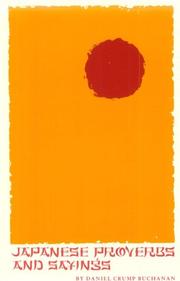
1965. Daniel Crump Buchanan, Japanese Proverbs and Sayings. Under Minoru ine wa ho wo tareru: "Ripening rice plants hang down their heads." That is, a man of great learning or character acts and speaks modestly, with the English parallel The boughs that bear most hang lowest [19]. Buchanan gives a prose form of the proverb, not the verse.
1968. Charles Corwin, A Dictionary of Japanese and English Idiomatic Equivalents. Under KENSON, humility: Minoru hodo atama o sageru inaho kana (実るほど頭を下げる稲穂かな), The greater the number of grain to be harvested the lower the wheat bends on the stalk., followed in the book's own square brackets by The mature are humble. [20]. Wheat is an error: 稲穂 is the ear of rice.
1993. Michael L. Maynard and Senko K. Maynard, 101 Japanese Idioms. Minoru hodo atama no sagaru inaho kana, 実る程頭の下がる稲穂かな: "The mature rice plant lowers its head", explained as the wisdom of years filling a man with humility [21].
Today. JMdict gives the more learned, the more humble; the boughs bearing the most hang lowest [22]. A rendering should keep the rice, the ripening and the head that hangs lower the more it ripens: the more the rice ripens, the lower it hangs its head. Fuller's boughs are an English proverb of the same meaning, and no translation of the Japanese.
A reading
I read the verse as anonymous, and I read it as the work of the Meiji hokku world. Every print known before 1932 on the National Diet Library's full text gives it no name, or marks it 逸名 or 失名, name lost, or gives it to the ancients, and it appears first in 1894, on that instrument, in a compiler's book, as one of several wordings at a time when the hokku collections had rice that bows as it fills in other forms [57][59][55][5][6][42]. Shimaki Akahiko heard in it the voice of the masters' moral verse, and the verses of 1892 and 1893 fit his hearing; that fit is my reading, not his evidence [63]. The one name the verse has been given, Kokubu Taneyuki's, comes late and comes with the wisteria verse that had travelled beside it unsigned a generation before; it may be true, and nothing read here confirms it or rules it out [7][57].
The image is much older than the verse, and the two are best read together. In the 1620s a wife throws the saying at a husband made proud by promotion; in the 1640s it is a pair of lines in a list of sayings, the rice that bows and the man who looks up; in the eighteenth century it is counsel against the pride of wealth; in the character stories and the sermons the rice that bows the fuller, the lower becomes heaven's lesson [3][4][33][36][39]. The verse keeps the rice and leaves the man out. It says nothing against anyone: it describes an ear of rice, and the reader supplies the rest. That is why it could be a schoolroom maxim, a magnate's motto and a novelist's compliment, and why it has outlived its masters' manner. Signed, 典.
Notes
The verb of the rice. The chronicle's rice tilts, かたぶく, written カタムク in one manuscript; the 毛吹草's rice bows its face, うつぶく, written うつふく in the print; Joken writes うつぶき and うつふく; the novel of 1776 writes うつむく [3][25][4][33][35][36]. The man's verb is そる, to lean back, in the chronicle and あをのく or あをむく, to look up, everywhere after it.
The forms of the verse. The prints read here, to 1918, write the head as 頭 or かしら, and the verb as 下がる or 下る, 垂るゝ, 下ぐる or 下げる, さぐる, and ひくき or 低き; none of them is shown to be the first [5][47][48][51][53][17].
Japanese Scrolls by Master Calligrapher Eri Takase


Sources not seen
辻郁二 編, 『日本国粋興振会発句集』 第87回 四季之部, 日本国粋興振会本部 (大阪), 1893 (National Diet Library, https://dl.ndl.go.jp/pid/875259, in-library). The NDL's full-text index matches the verse in this volume of an Osaka hokku contest series, a year before the earliest print read here; the text is not served outside the library. It could change the date of the verse's first known print and, if the contest printed its poets' names, the reading of its author.
中田祝夫 編, 『原本三河物語』, 勉誠社, 1970 (National Diet Library, in-library), the autograph of the 三河物語 in facsimile with a transcription; and 斎木一馬 校注, 『三河物語 葉隠』, 日本思想大系 26, 岩波書店, 1974. They would show the wife's saying as Ōkubo Tadataka wrote it, which the copies and editions read here may have changed.
A reader with access to any of these is invited to write to Takase Studios at Tim@Takase.com.
References
- 「実るほど頭の下がる稲穂かな」, デジタル大辞泉, at kotobank. https://kotobank.jp/word/実るほど頭の下がる稲穂かな-639436
- 「実るほど頭を垂れる稲穂かな」, デジタル大辞泉 and ことわざを知る辞典, at kotobank. https://kotobank.jp/word/実るほど頭を垂れる稲穂かな-2131632
- 『雑史集』 (続国民文庫), 国民文庫刊行会, 1912, 『三河物語』 第三下, pp. 212–213, scan 116, at the National Diet Library. https://dl.ndl.go.jp/pid/925907/1/116
- 『毛吹草』, a later impression of the printing with the preface of 寛永15 (1638), 東京大学 連歌俳諧集成 copy, canvas 61, at the 国書データベース. https://kokusho.nijl.ac.jp/biblio/100419933
- 大月隆, 『文学の調和』, 岩藤錠太郎, 1894, pp. 61–64, scans 41–43, at the National Diet Library. https://dl.ndl.go.jp/pid/871767/1/43
- 『風雅之魁大和錦』 第1編, 関東雅立会, 1892, p. 12, scan 12, at the National Diet Library. https://dl.ndl.go.jp/pid/875913/1/12
- 黒本植, 『稼堂叢書』 第2, 『横槊餘情』, 1932, pp. 61–62, scans 37–38, at the National Diet Library. https://dl.ndl.go.jp/pid/1240759/1/38
- 「実る」, デジタル大辞泉 and 精選版 日本国語大辞典, at kotobank. https://kotobank.jp/word/実る-639435
- 「頭が下がる」, デジタル大辞泉 and 精選版 日本国語大辞典, at kotobank. https://kotobank.jp/word/頭が下がる-425269
- 「神路山」, デジタル大辞泉 and 精選版 日本国語大辞典, at kotobank. https://kotobank.jp/word/神路山-466479
- 大塚甲山 編, 『一茶俳句全集』, 内外出版協会, 1902, p. 296, scan 151, at the National Diet Library. https://dl.ndl.go.jp/pid/874848/1/151
- 「稲穂」, デジタル大辞泉, at kotobank. https://kotobank.jp/word/稲穂-435185
- 「稲」 (三秋), きごさい歳時記. https://kigosai.sub.jp/001/archives/2600
- 「菩薩」, 精選版 日本国語大辞典, at kotobank. https://kotobank.jp/word/菩薩-132948
- 「仏法」, 精選版 日本国語大辞典, at kotobank. https://kotobank.jp/word/仏法-619470
- 新渡戸稲造 等監輯, 『英和俗語熟語故事大辞典』, 実業之日本社, 1911, p. 1633, scan 822, at the National Diet Library. https://dl.ndl.go.jp/pid/902975/1/822
- 武信由太郎 編, 『武信和英大辞典』, 1918, p. 1319, scan 669, at the National Diet Library. https://dl.ndl.go.jp/pid/925665/1/669
- Takenobu Yoshitarō, general editor, Kenkyusha's New Japanese-English Dictionary, American edition, Harvard University Press, 1942, p. 1231, read on the house's shelf; at the Internet Archive. https://archive.org/details/kenkyushasnewjap0000take_m0v7
- Daniel Crump Buchanan, Japanese Proverbs and Sayings, University of Oklahoma Press, 1965, s.v. Minoru ine wa ho wo tareru, read on the house's shelf; at the Internet Archive. https://archive.org/details/japaneseproverbs00buch
- Charles Corwin, general editor, A Dictionary of Japanese and English Idiomatic Equivalents, Kodansha International, 1968, p. 128, s.v. KENSON, read on the house's shelf; at the Internet Archive. https://archive.org/details/waeijukugokanyku0000unse
- Michael L. Maynard and Senko K. Maynard, 101 Japanese Idioms: Understanding Japanese Language and Culture Through Popular Phrases, Passport Books, 1993, pp. 14–15, no. 7, Minoru hodo atama no sagaru inaho kana, read on the house's shelf.
- JMdict, entry 2849008, 実るほど頭の下がる稲穂かな, as served at jisho.org. https://jisho.org/word/実るほど頭の下がる稲穂かな
- 「三河物語」, デジタル大辞泉, 日本大百科全書 (ニッポニカ) and other encyclopedias, at kotobank. https://kotobank.jp/word/三河物語-138335
- 大久保忠教, 『三河物語』, 日本戦史会, 1890, p. 21, scan 98, at the National Diet Library. https://dl.ndl.go.jp/pid/992777/1/98
- 『三河物語』, manuscript, 3 冊, 東京大学総合図書館, canvas 148, at the 国書データベース. https://kokusho.nijl.ac.jp/biblio/300057349
- 「毛吹草」, デジタル大辞泉 and 精選版 日本国語大辞典, at kotobank. https://kotobank.jp/word/毛吹草-490969
- 藤井乙男, 『諺の研究』, 1929, p. 249, scan 131, at the National Diet Library. https://dl.ndl.go.jp/pid/1452761/1/131
- 『毛吹草』, お茶の水女子大学 copy (明暦1, 1655, in the catalogue record), canvas 48, at the 国書データベース. https://kokusho.nijl.ac.jp/biblio/100239049
- 『毛吹草』, 寛文2 (1662), 東北大学 狩野文庫 copy, canvas 53, at the 国書データベース. https://kokusho.nijl.ac.jp/biblio/100306717
- 藤井乙男 編, 『諺語大辞典』, 有朋堂, 1910, p. 916, scan 476, at the National Diet Library. https://dl.ndl.go.jp/pid/862766/1/476
- 「西川如見」, デジタル大辞泉, at kotobank. https://kotobank.jp/word/西川如見-109399
- 「町人嚢」, 日本大百科全書 (ニッポニカ) and other encyclopedias, at kotobank. https://kotobank.jp/word/町人嚢-98134
- 西川如見, 『町人嚢』 巻二, 享保4 (1719), 名古屋大学附属図書館 神宮皇学館文庫 copy, canvas 37, at the 国書データベース. https://kokusho.nijl.ac.jp/biblio/100159255
- 「百姓嚢」, work record, at the 国書データベース. https://kokusho.nijl.ac.jp/work/1048959
- 西川如見, 『百姓嚢』 巻二, undated printing, scan 26, at the National Diet Library. https://dl.ndl.go.jp/pid/2536655/1/26
- 永井堂亀友, 『世間仲人気質』 巻五, 菊屋安兵衛ほか, 安永5 (1776), scan 49, at the National Diet Library. https://dl.ndl.go.jp/pid/2534223/1/49
- 博文館編輯局 校訂, 『気質全集』 (帝国文庫), 博文館, 1895, pp. 922–923, scan 467, at the National Diet Library. https://dl.ndl.go.jp/pid/1882651/1/467
- 「布施松翁」, ブリタニカ国際大百科事典 小項目事典, at kotobank. https://kotobank.jp/word/布施松翁-124831
- 布施松翁, 『松翁道話』 二編 巻之下, 文化14年12月 (7 January to 4 February 1818), 東京学芸大学附属図書館 copy, canvases 108 and 114, at the 国書データベース. https://kokusho.nijl.ac.jp/biblio/100408803
- 国立天文台 暦計算室, 「日本の暦日データベース」, 文化14年12月1日 and 29日 converted to the Gregorian calendar. https://eco.mtk.nao.ac.jp/cgi-bin/koyomi/caldb.cgi
- 加藤咄堂 監修, 『心学道話全集』 第2巻, 忠誠堂, 1928, p. 662, scan 131, at the National Diet Library. https://dl.ndl.go.jp/pid/1913286/1/131
- 大淵渉 編, 『新撰発句拾万集』 上, 駸々堂, 1893, p. 108, scan 61, at the National Diet Library. https://dl.ndl.go.jp/pid/875159/1/61
- 大淵渉 編, 『新撰発句拾万集』 上, 駸々堂, 1893, p. 125, scan 64, at the National Diet Library. https://dl.ndl.go.jp/pid/875159/1/64
- 大月隆, 『文学の調和』, 1894, colophon, scan 89, at the National Diet Library; the library's record for the book gives the author heading 大月, 隆, 1864-. https://dl.ndl.go.jp/pid/871767/1/89
- 大月隆, 『文学の調和』, 1894, preface, scans 7–8, at the National Diet Library. https://dl.ndl.go.jp/pid/871767/1/7
- 大月隆 編, 『吾家の憲法』, 開新堂, 1895, p. 174, scan 91, at the National Diet Library. https://dl.ndl.go.jp/pid/758679/1/91
- 藤谷長吾 編, 『人ごころ』, 1895, p. 42, scan 58, at the National Diet Library. https://dl.ndl.go.jp/pid/887947/1/58
- 三日月庵春湖 撰, 『俳諧拾万集』 秋の部, 積善館, 1896, pp. 85 and 157, scans 45 and 81, at the National Diet Library. https://dl.ndl.go.jp/pid/875378/1/45
- 「古河市兵衛」, デジタル大辞泉 and 精選版 日本国語大辞典, at kotobank. https://kotobank.jp/word/古河市兵衛-127170
- 『伝燈』, 真言宗伝燈会, 1899 (snippet view, National Diet Library). https://dl.ndl.go.jp/pid/819680
- 桑谷定逸 (大観子), 『富豪の面影:成功秘訣』, 1902, p. 172, scan 96, at the National Diet Library. https://dl.ndl.go.jp/pid/758220/1/96
- 谷本富 述, 『教育学講義録』, 広島県私立教育会, 1900, p. 26, scan 14, at the National Diet Library. https://dl.ndl.go.jp/pid/808426/1/14
- 『各学科教授細目』, 1901, 修身 p. 85, scan 61, at the National Diet Library. https://dl.ndl.go.jp/pid/809946/1/61
- 利根川与作, 『現今教授上の誤謬』, 1902, pp. 8–9, scan 9, at the National Diet Library. https://dl.ndl.go.jp/pid/810090/1/9
- 『国語読方教法及教授案』 尋常小学科第3学年 後期, 1904, p. 175, scan 90, at the National Diet Library. https://dl.ndl.go.jp/pid/812133/1/90
- 鹿児島県師範学校付属小学校 編, 『鹿児島師範付属小学校教授細目』, 吉田文卉堂, 1905, p. 351, scan 181, at the National Diet Library. https://dl.ndl.go.jp/pid/809952/1/181
- 竹原久之助, 『小学校に於ける特別教示』, 宝文館, 1908, p. 52, scan 30, at the National Diet Library. https://dl.ndl.go.jp/pid/810395/1/30
- 根岸道 (機峯) 編, 『聖書研究攬要 附・名士之面影』, 教文館, 1908, p. 246, scan 133, at the National Diet Library. https://dl.ndl.go.jp/pid/825567/1/133
- 加藤咄堂, 『修養論』, 1909, pp. 504–505, scan 268, at the National Diet Library. https://dl.ndl.go.jp/pid/756756/1/268
- 松原玄波, 『金言俚諺釈義:品性修養』, 一書堂出版部, 1910 (snippet view, National Diet Library). https://dl.ndl.go.jp/pid/755180
- 吉田格堂, 『俗金言辞解:立志成功』, 大進社出版部, 1912 (snippet view, National Diet Library). https://dl.ndl.go.jp/pid/757639
- 金港堂 編, 『井上博士新編中学修身書備考』, 1918, p. 130, scan 68, at the National Diet Library. https://dl.ndl.go.jp/pid/942739/1/68
- 久保田俊彦 (島木赤彦), 『山房漫語』, 古今書院, 1926, p. 305, scan 157, at the National Diet Library. https://dl.ndl.go.jp/pid/1021688/1/157
- 大橋音羽, 『大正俳家伝』, 国華社出版部, 1924 (snippet view, National Diet Library). https://dl.ndl.go.jp/pid/1181886
- 『佛說海意菩薩所問淨印法門經』 卷7 (T0400), 宋 惟淨等 譯, T13n0400_p0490a03–05, at CBETA Online. https://cbetaonline.dila.edu.tw/zh/T0400_007
- Morris Palmer Tilley, A Dictionary of the Proverbs in England in the Sixteenth and Seventeenth Centuries, University of Michigan Press, 1950, B555, read on the house's shelf (the book's bibliography lists the Church History under Thomas Fuller and the Gnomologia under Thomas Fuller, M.D.).
- G. L. Apperson, English Proverbs and Proverbial Phrases: A Historical Dictionary, Dent, 1929, s.v. Boughs that bear most, read on the house's shelf.
- Mohammad Hatta, The Co-operative Movement in Indonesia, 1957 (the Internet Archive's full-text search). https://archive.org/details/cooperativemovem00hatt
- Tae-Hung Ha, Guide to Korean Culture, 1968 (the Internet Archive's full-text search). https://archive.org/details/guidetokoreancul0000taeh
Books Cited
Books this article cites that can be ordered today.