
APPENDIX—I Guide for Tourists—Where Good Armour May Be Seen
For the convenience of foreign visitors to Japan who may desire to see old Japanese armour, places where there are preserved representative specimens are mentioned here.
Kanto District:
Tōkyō Imperial Museum (Ueno Park, Tōkyō City)
A large collection of superior armour of the country; the largest number of excavated armour of ancient times.
Yūsyū-kan (in the compounds of the Yasukuni-zinsya Shrine, Kudan, Tōkyō City)
The largest museum of arms in Japan.
Mitake-zinsya Shrine (Tōkyō Prefecture)
Two Ōyoroi of the later Heian Period and the Kamakura Period.
Tōsyō-gū Shrine (Nikkō)
The Nanban-gusoku (foreign armour) used by Tokugawa-Ieyasu is exhibited in the Treasure Museum.
North-Eastern District:
Tutukowake-zinsya Shrine (near Sirakawa, Hukusima Prefecture)
There are two shrines and at one are preserved fragments of a gorgeous Ōyoroi of the Kamakura Period and at the other one Dōmaru of the later Kamakura Period.
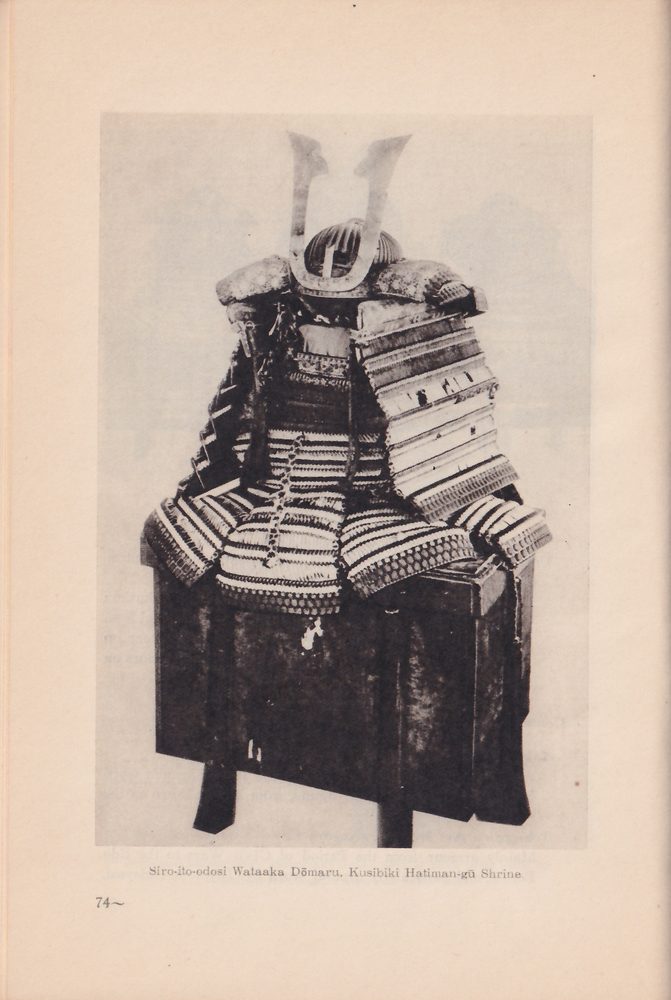
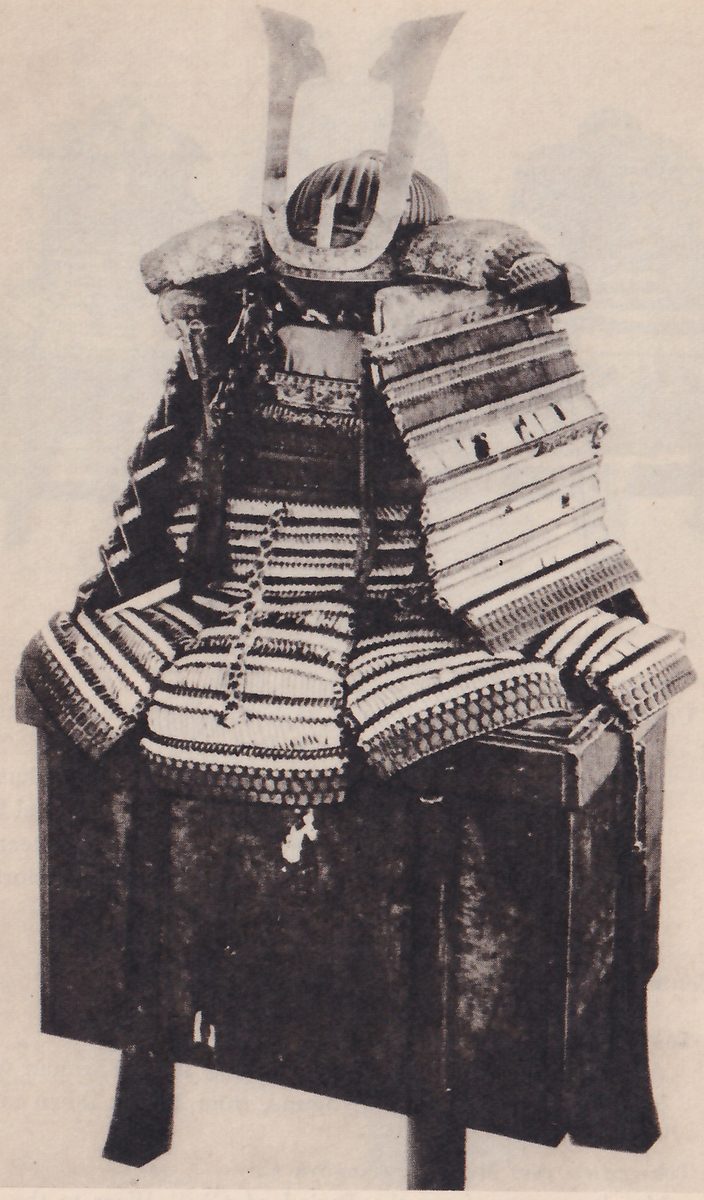
Kusibiki Hatiman-gū Shrine (near Hatinohe City, Aomori Prefecture)
There are three Ōyoroi of the later Kamakura Period. One of them in particular is a superior work of magnificent beauty that compares well with one at the Kasuga-zinsya Shrine, Nara. Also there are one Dōmaru and one Kabuto of the
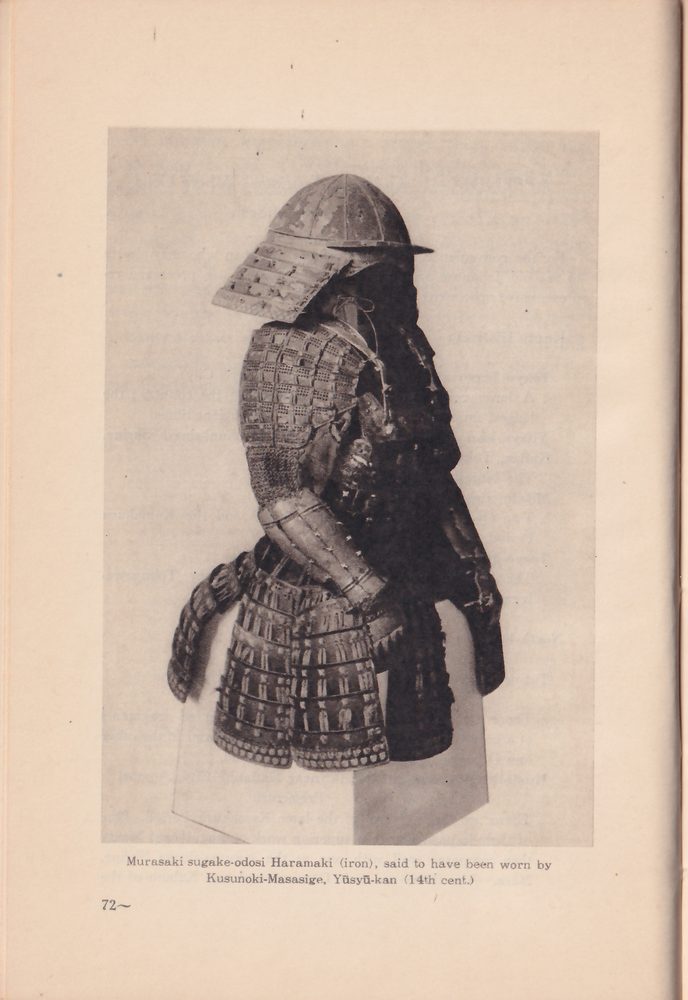
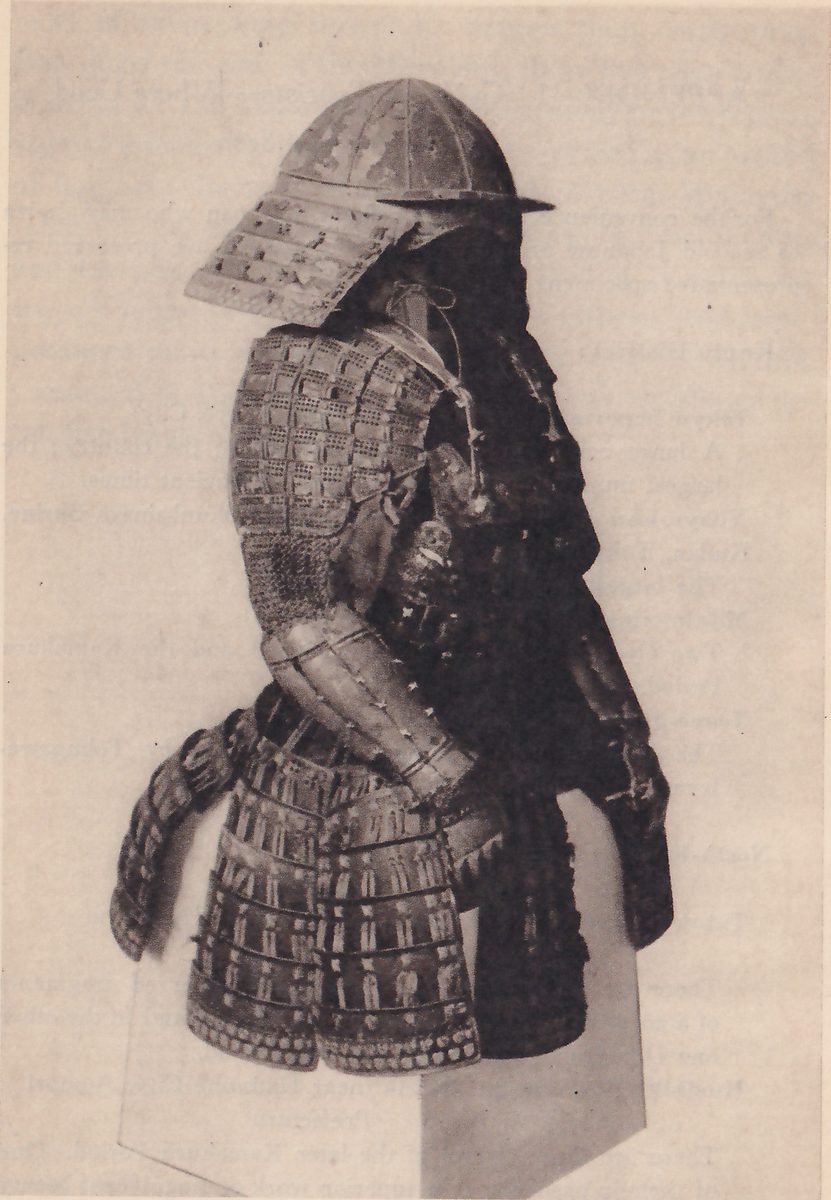
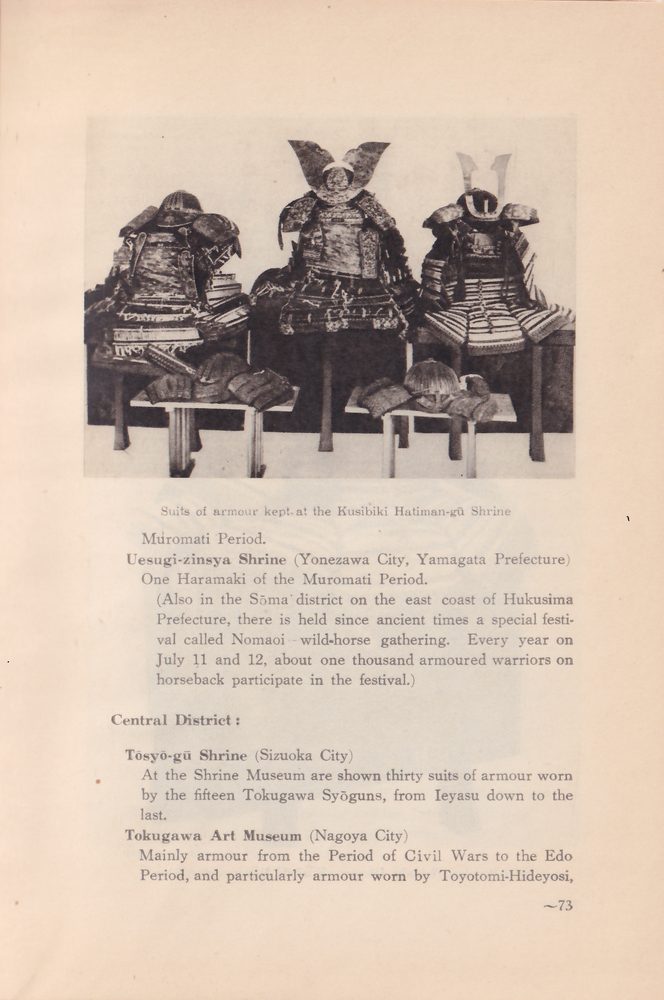
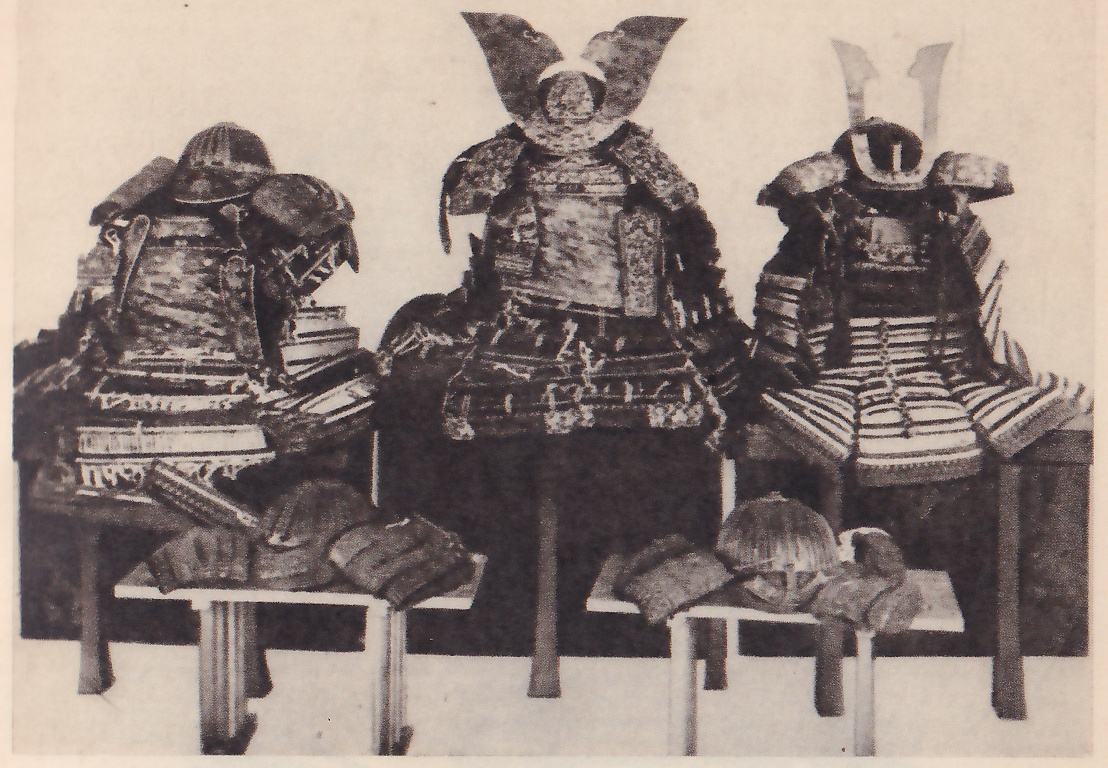
Muromati Period.
Uesugi-zinsya Shrine (Yonezawa City, Yamagata Prefecture)
One Haramaki of the Muromati Period.
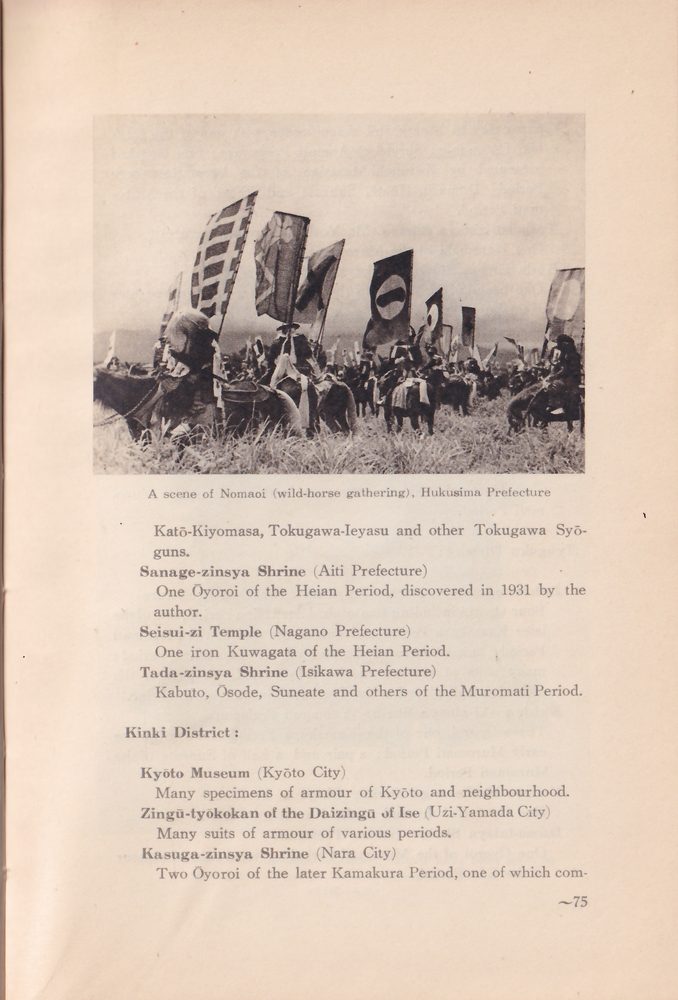
(Also in the Sōma district on the east coast of Hukusima Prefecture, there is held since ancient times a special festival called Nomaoi—wild-horse gathering. Every year on July 11 and 12, about one thousand armoured warriors on horseback participate in the festival.)
Central District:
Tōsyō-gū Shrine (Sizuoka City)
At the Shrine Museum are shown thirty suits of armour worn by the fifteen Tokugawa Syōguns, from Ieyasu down to the last.
Tokugawa Art Museum (Nagoya City)
Mainly armour from the Period of Civil Wars to the Edo Period, and particularly armour worn by Toyotomi-Hideyosi,
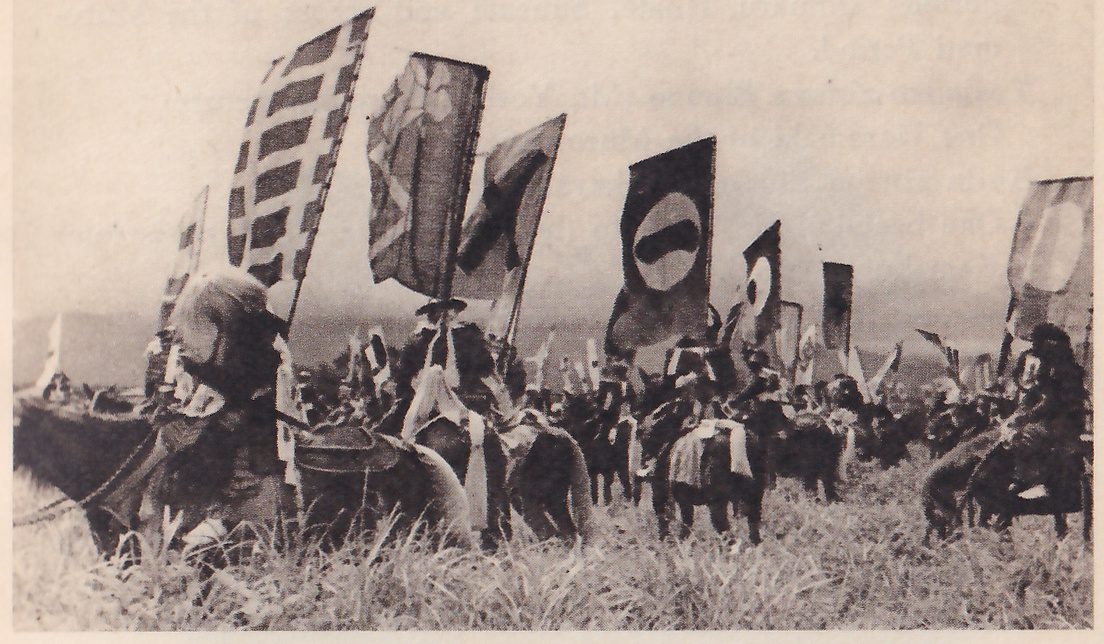
Katō-Kiyomasa, Tokugawa-Ieyasu and other Tokugawa Syōguns.
Sanage-zinsya Shrine (Aiti Prefecture)
One Ōyoroi of the Heian Period, discovered in 1931 by the author.
Seisui-zi Temple (Nagano Prefecture)
One iron Kuwagata of the Heian Period.
Tada-zinsya Shrine (Isikawa Prefecture)
Kabuto, Ōsode, Suneate and others of the Muromati Period.
Kinki District:
Kyōto Museum (Kyōto City)
Many specimens of armour of Kyōto and neighbourhood.
Zingū-tyōkokan of the Daizingū of Ise (Uzi-Yamada City)
Many suits of armour of various periods.
Kasuga-zinsya Shrine (Nara City)
Two Ōyoroi of the later Kamakura Period, one of which com-
pares well in beauty and magnificence with one at the Kusibiki Hatiman-gū Shrine of Aomori Prefecture; one Dōmaru presented by Kusunoki-Masasige of the later Kamakura Period; Dōmaru, Hōate, Suneate and others of the Muromati Period.
Yosimizu-zinsya Shrine (Mt. Yosino, Nara Prefecture)
One Haramaki of the Muromati Period.
Kada-zinsya Shrine (Wakayama Prefecture)
One beautiful Hosi-Kabuto (helmet with tack-nod) of the later Kamakura Period.
Kansin-zi Temple (Ōsaka Prefecture)
One Haramaki of the Muromati Period.
Kongo-zi Temple (Ōsaka Prefecture)
Many Haramaki and some Hizayoroi of the Muromati Period.
Minatogawa-zinsya Shrine (Kōbe City)
One Dōmaru and one Haramaki of the later Muromati Period.
Taizan-zi Temple (suburb of Kōbe City)
Two Haramaki, Kabuto, Hizayoroi and others of the Muromati Period.
Tyūgoku District:
Itukusima-zinsya Shrine (Miyazima, Hirosima Prefecture)
Four Ōyoroi including two of the later Heian Period, one of the later Kamakura Period and one of the end of the Muromati Period; one Dōmaru of the end of the Kamakura Period; many suits of armour of the Edo Period. A part of the collection is displayed at the Treasure Museum of the shrine.
Matugasaki-zinsya Shrine (Yamaguti Prefecture)
Three Ōyoroi, one of the Kamakura Period and two of the early Muromati Period; a pair and a half of Suneate of the Muromati Period.
Uedera Hatiman-gū Shrine (Okayama Prefecture)
One Ōyoroi of the end of the Kamakura Period.
Izumo-taisya Shrine (Simane Prefecture)
One Ōyoroi of the Muromati Period; several suits of armour of the Edo Period.
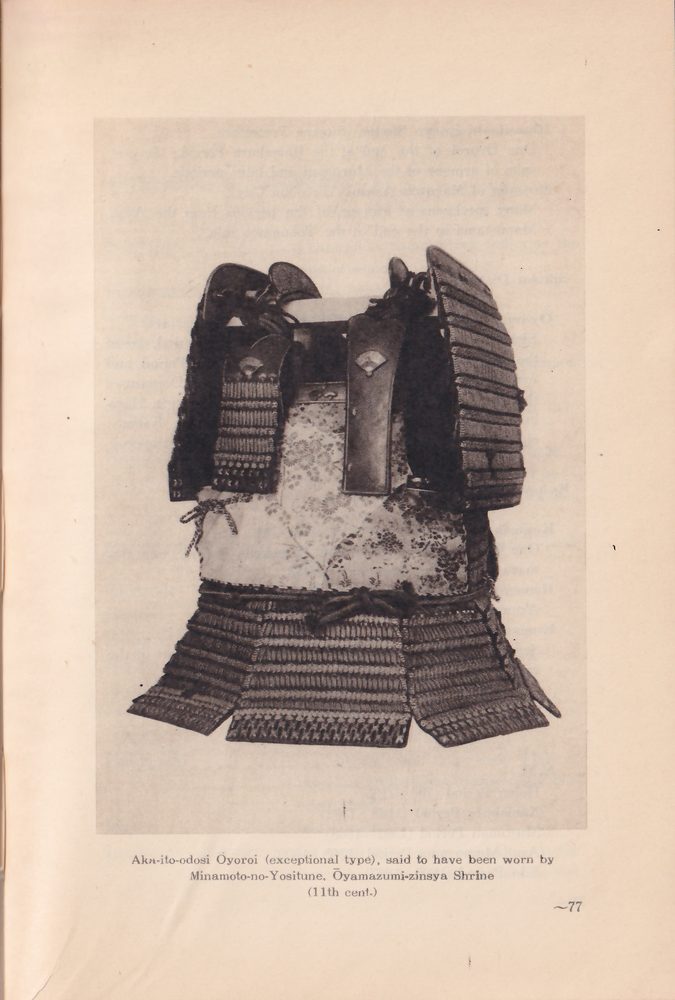
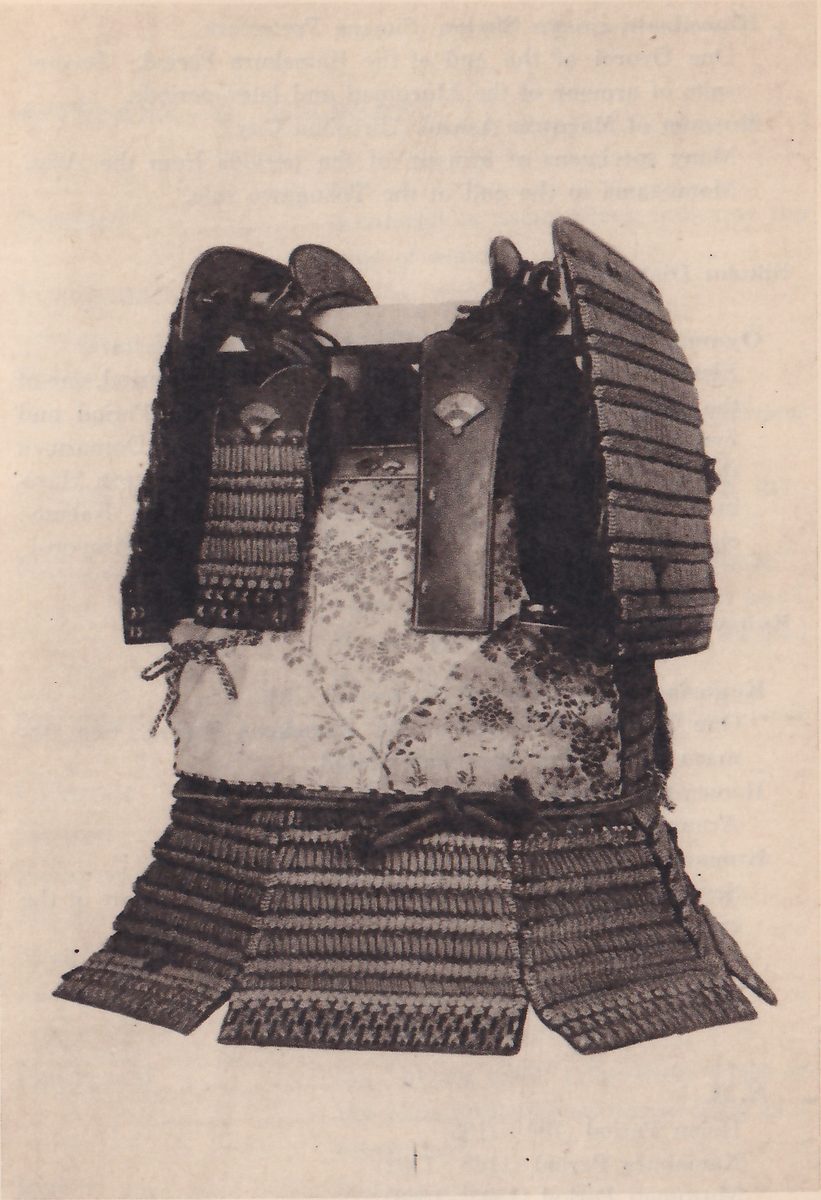
(11th cent.)
Hinomisaki-zinsya Shrine (Simane Prefecture)
One Ōyoroi of the end of the Kamakura Period. Several suits of armour of the Muromati and later periods.
Museum of Marquis Asano (Hirosima City)
Many specimens of armour of the periods from the Azuti Momoyama to the end of the Tokugawa rule.
Sikoku District:
Ōyamazumi-zinsya Shrine (Ōmisima, Ehime Prefecture)
Eleven Ōyoroi, two of the middle of the Heian Period, one of the later Heian Period, three of the Kamakura Period and five of the later Kamakura Period; twenty-five Dōmaru of the Kamakura, Muromati and other periods; sixteen Haramaki of the Muromati and other periods; eleven Kabuto; eight pairs of Ōsode; three large Kuwagata; one Hizayoroi.
Kyūsyū District:
Kagosima-zinsya Shrine (Kagosima City)
One Ōyoroi of the end of the Kamakura Period; two Dōmaru of the later Muromati Period.
Honmyō-zi Temple (Kumamoto City)
Armour of the Azuti-Momoyama Period.
Kumamoto Castle (Kumamoto City)
Several suits of armour and arms exhibited in a part of the castle.
N. B.
Heian Period (794–1185)
Kamakura Period (1185–1392)
Muromati Period (1392–1568)
Azuti-Momoyama Period (1568–1600)
Edo Period (1600–1867)