
III. DISTRIBUTION OF HOT SPRINGS
A glance at a detailed map of Japan will show that her hot springs are so numerous up and down the Empire that their sites call to mind the starts in an autumn sky. This wealth of thermal springs is due of course to the prevalence of volcanoes, mostly dormant, in the land, and naturally volcanic chains have a close bearing upon the situation of these springs.
Everybody who is acquainted with the ABC of the geography of the world knows that the Japanese Empire consists of a long cluster of islands with the Kuriles (Chishima) in the extreme north extending to 156° 31′ E. and to 50° 55′ N., and Formosa (Taiwan) in the extreme south extending 120° 49′ E. and to 21° 46′ N. The Empire comprises six large islands, namely South Saghalin (Karafuto), Hokkaidō which includes the Kuriles, the main island (Honshū), Shikoku, Kyūshū and Formosa. It faces the Pacific in the southeast and the Sea of Japan in the northwest.
From its physical features, Japan proper (Hokkaidō, Honshū, Shikoku and Kyūshū) may be conveniently divided into three parts—southwestern, central and northeastern.
The southwestern part includes Kyūshū, Shikoku and the western part of Honshū or the main island. This part is not characterized by lofty mountains, although it has several chains of mountains. The principal volcanic chains in Kyūshū are Aso and Kirishima.
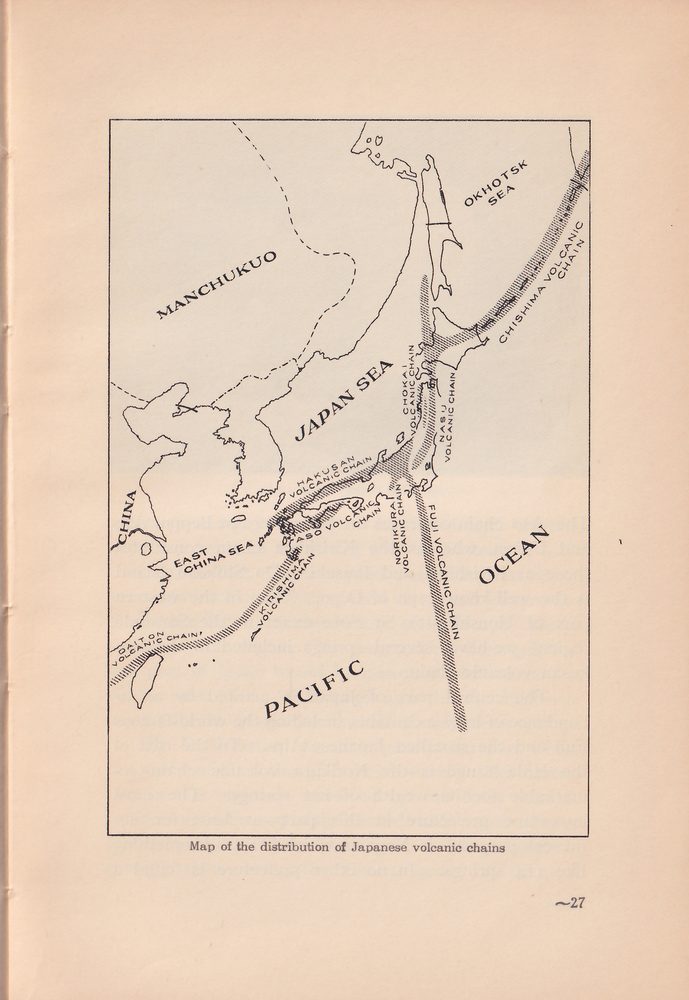
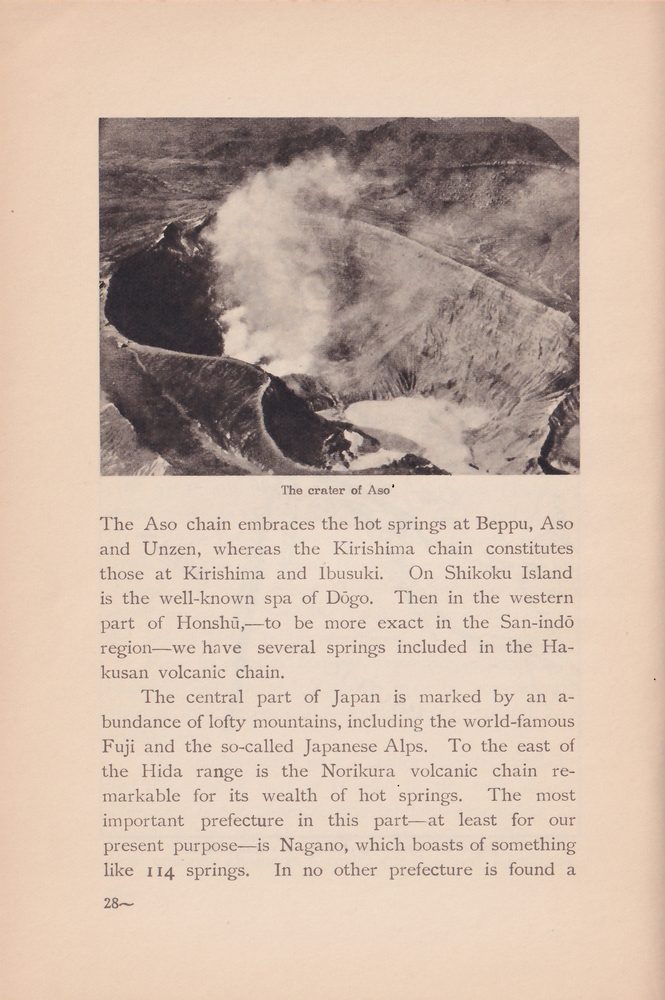
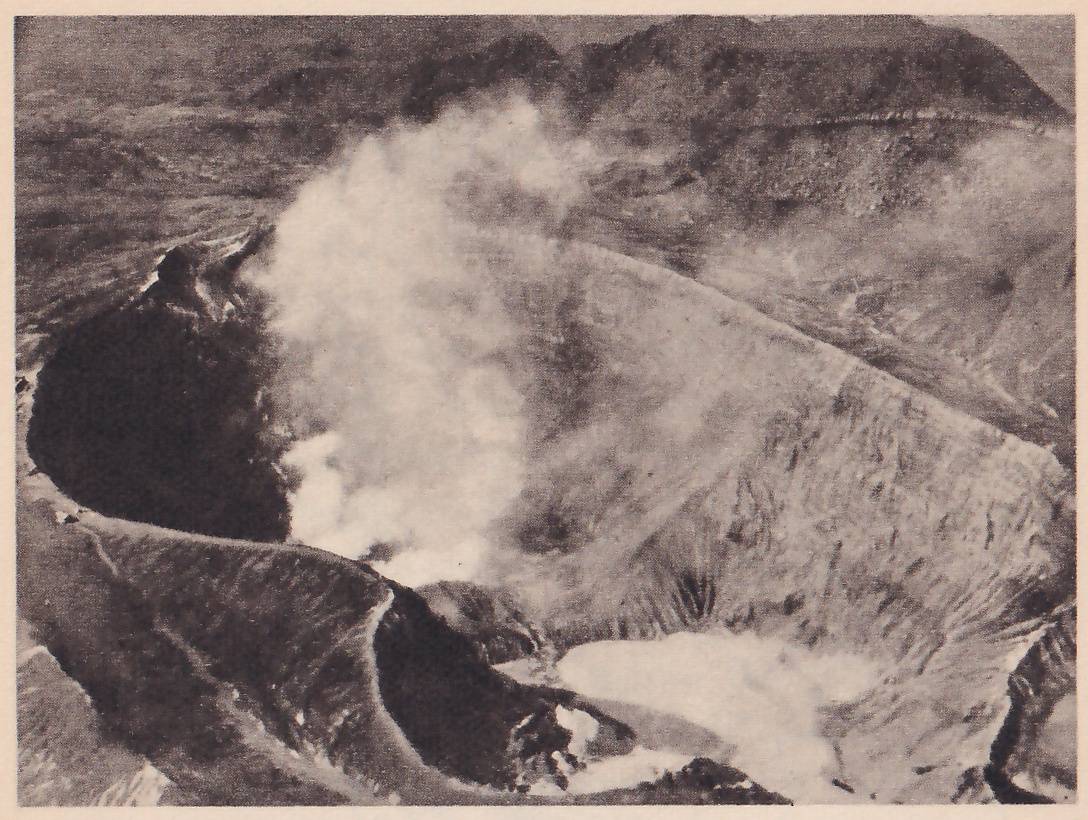
The Aso chain embraces the hot springs at Beppu, Aso and Unzen, whereas the Kirishima chain constitutes those at Kirishima and Ibusuki. On Shikoku Island is the well-known spa of Dōgo. Then in the western part of Honshū,—to be more exact in the San-indō region—we have several springs included in the Hakusan volcanic chain.
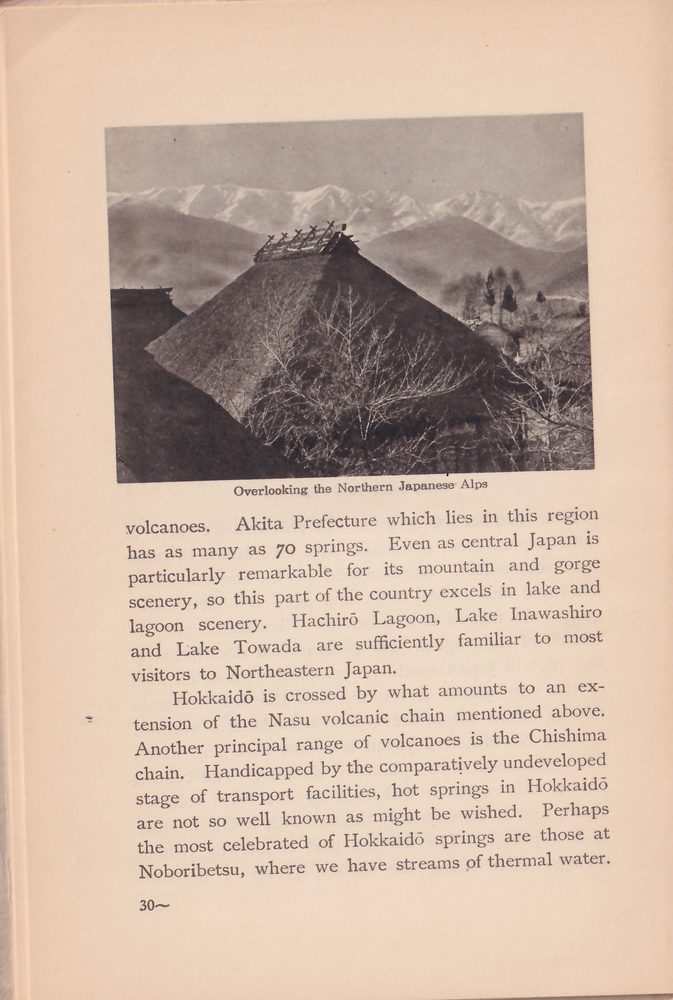
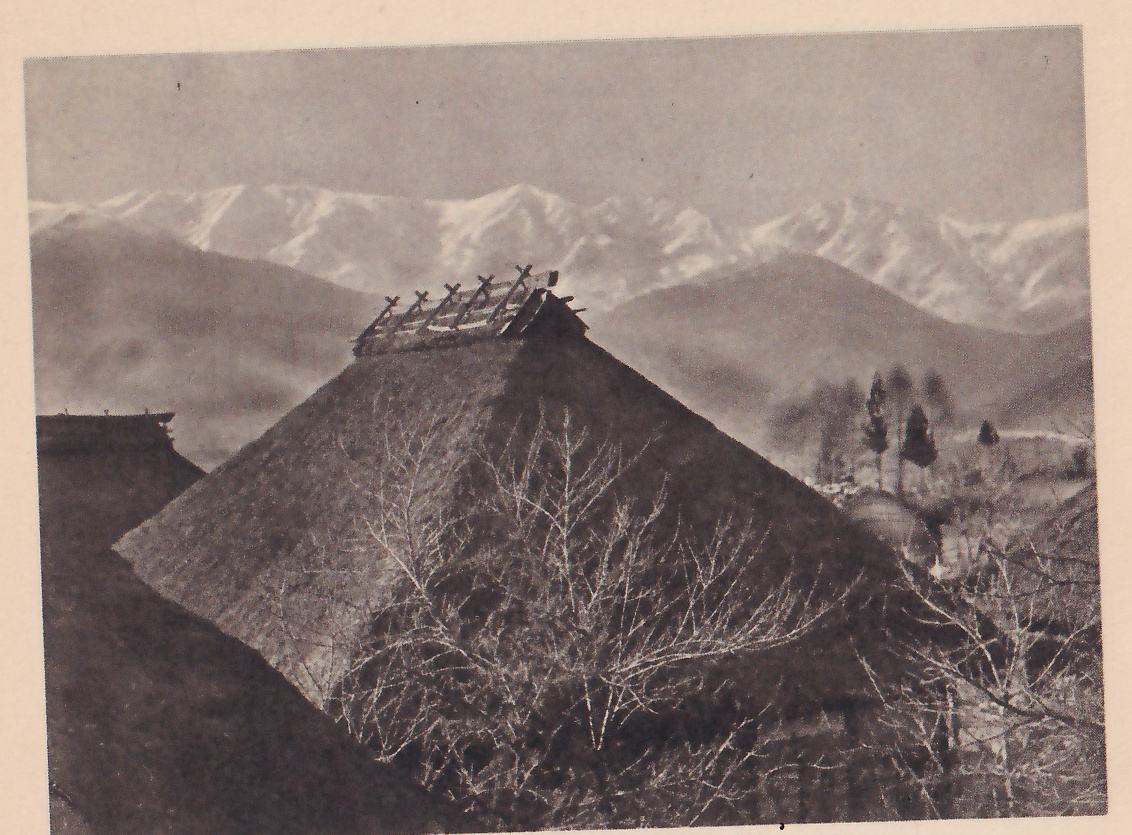
The central part of Japan is marked by an abundance of lofty mountains, including the world-famous Fuji and the so-called Japanese Alps. To the east of the Hida range is the Norikura volcanic chain remarkable for its wealth of hot springs. The most important prefecture in this part—at least for our present purpose—is Nagano, which boasts of something like 114 springs. In no other prefecture is found a
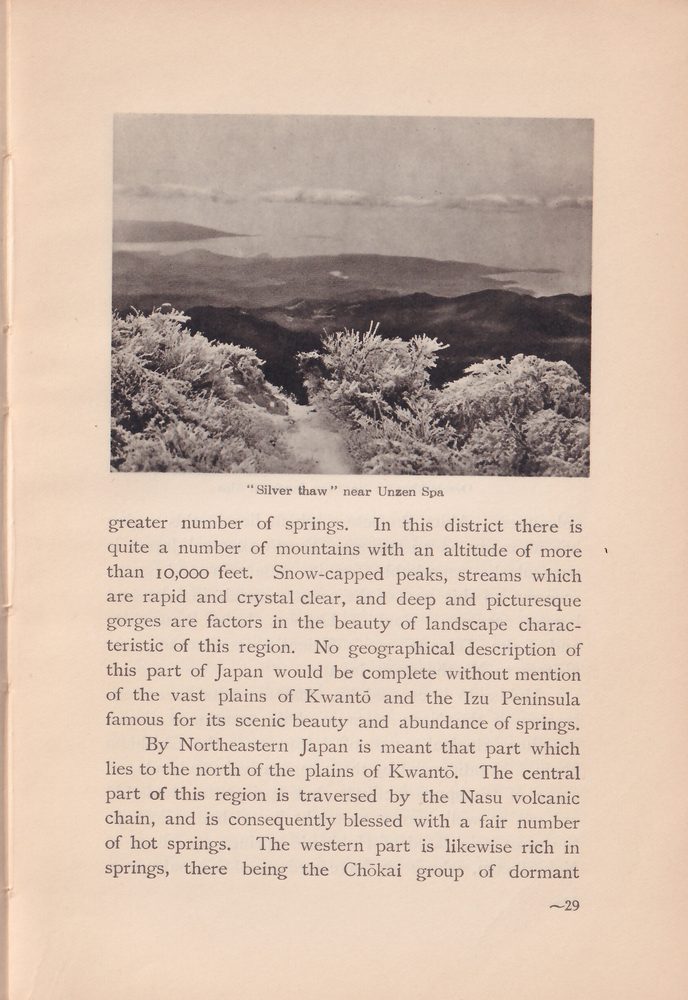
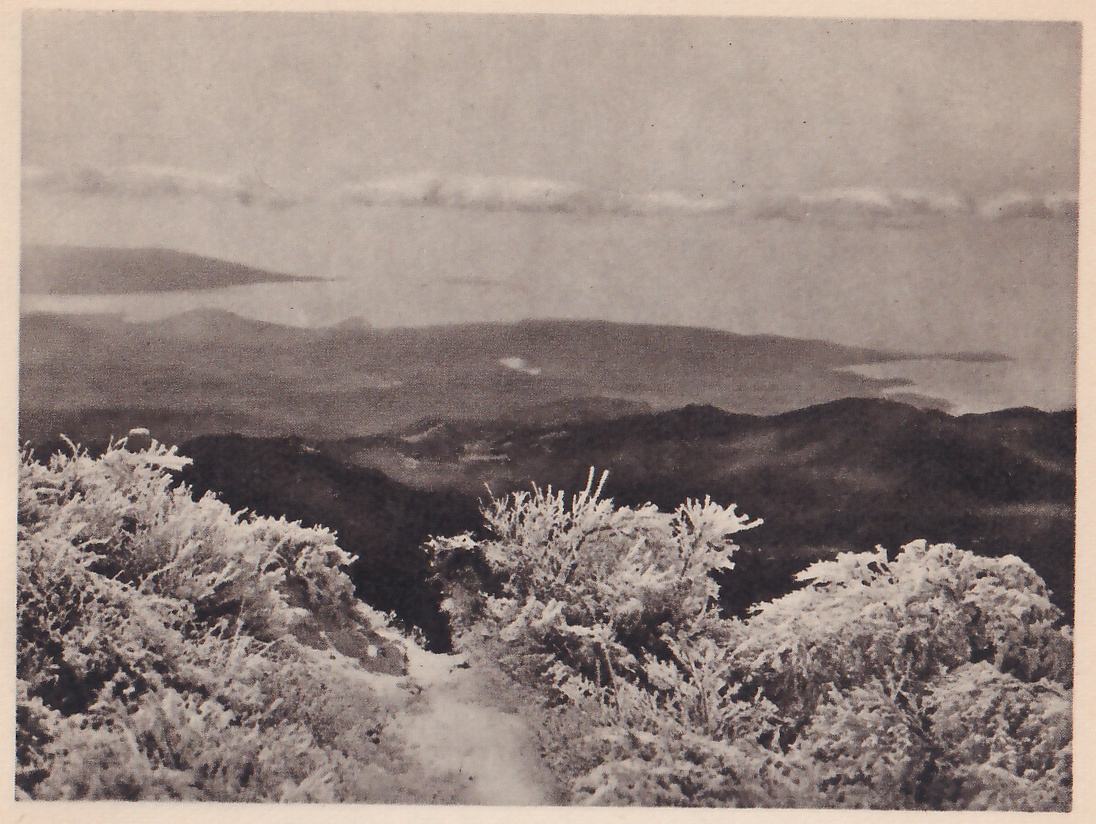
greater number of springs. In this district there is quite a number of mountains with an altitude of more than 10,000 feet. Snow-capped peaks, streams which are rapid and crystal clear, and deep and picturesque gorges are factors in the beauty of landscape characteristic of this region. No geographical description of this part of Japan would be complete without mention of the vast plains of Kwantō and the Izu Peninsula famous for its scenic beauty and abundance of springs.
By Northeastern Japan is meant that part which lies to the north of the plains of Kwantō. The central part of this region is traversed by the Nasu volcanic chain, and is consequently blessed with a fair number of hot springs. The western part is likewise rich in springs, there being the Chōkai group of dormant
volcanoes. Akita Prefecture which lies in this region has as many as 70 springs. Even as central Japan is particularly remarkable for its mountain and gorge scenery, so this part of the country excels in lake and lagoon scenery. Hachirō Lagoon, Lake Inawashiro and Lake Towada are sufficiently familiar to most visitors to Northeastern Japan.
Hokkaidō is crossed by what amounts to an extension of the Nasu volcanic chain mentioned above. Another principal range of volcanoes is the Chishima chain. Handicapped by the comparatively undeveloped stage of transport facilities, hot springs in Hokkaidō are not so well known as might be wished. Perhaps the most celebrated of Hokkaidō springs are those at Noboribetsu, where we have streams of thermal water.
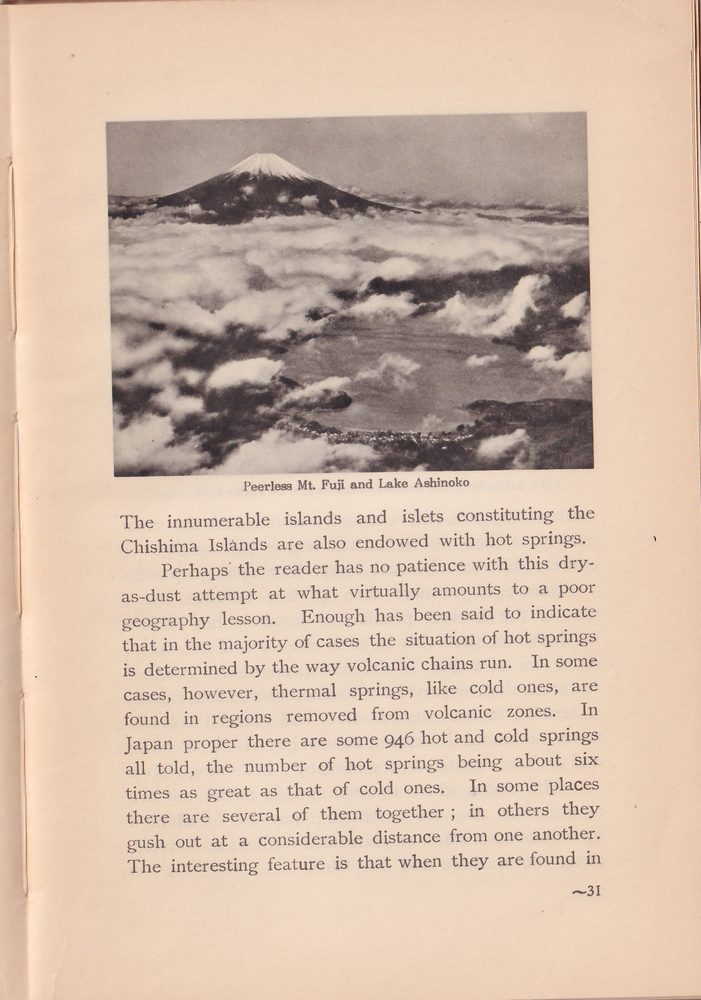
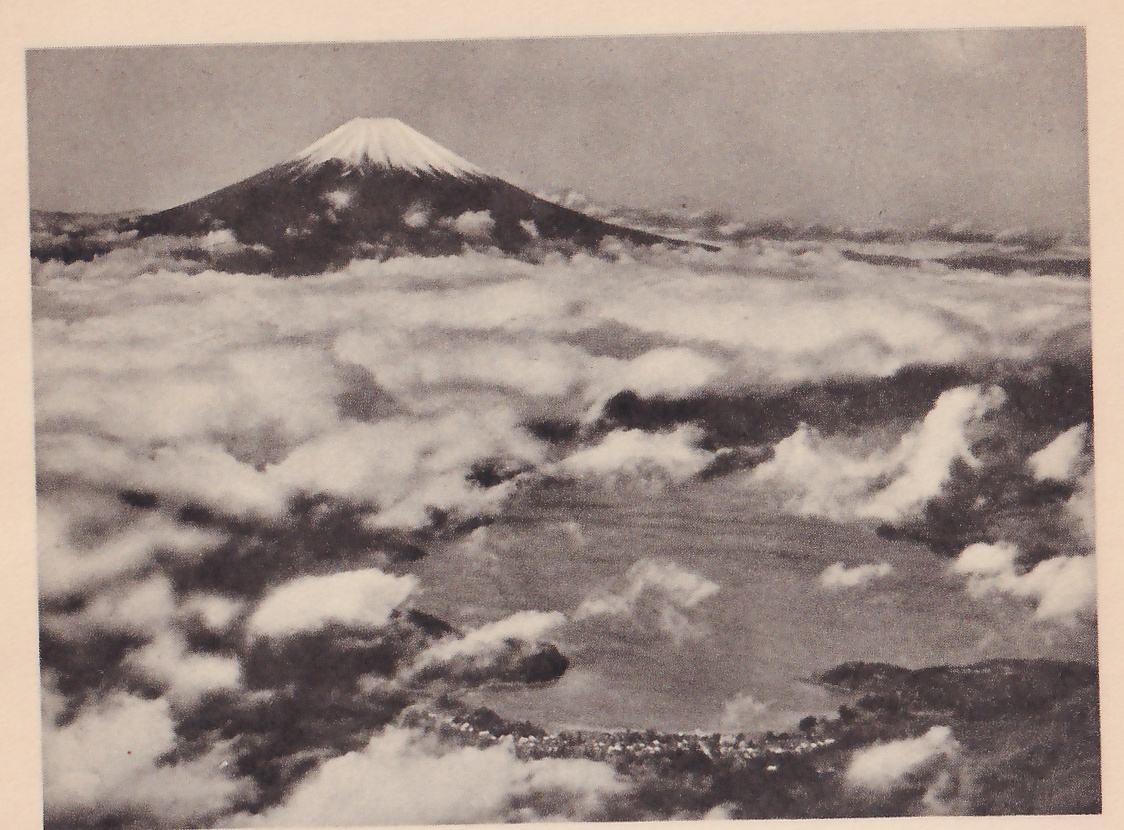
The innumerable islands and islets constituting the Chishima Islands are also endowed with hot springs.
Perhaps the reader has no patience with this dry-as-dust attempt at what virtually amounts to a poor geography lesson. Enough has been said to indicate that in the majority of cases the situation of hot springs is determined by the way volcanic chains run. In some cases, however, thermal springs, like cold ones, are found in regions removed from volcanic zones. In Japan proper there are some 946 hot and cold springs all told, the number of hot springs being about six times as great as that of cold ones. In some places there are several of them together; in others they gush out at a considerable distance from one another. The interesting feature is that when they are found in
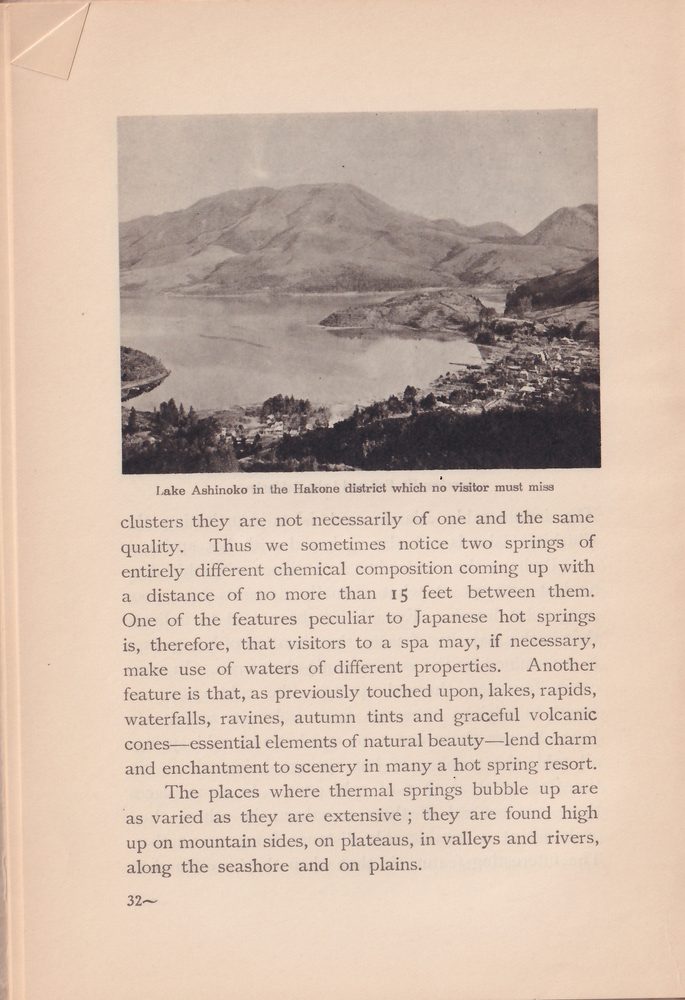
clusters they are not necessarily of one and the same quality. Thus we sometimes notice two springs of entirely different chemical composition coming up with a distance of no more than 15 feet between them. One of the features peculiar to Japanese hot springs is, therefore, that visitors to a spa may, if necessary, make use of waters of different properties. Another feature is that, as previously touched upon, lakes, rapids, waterfalls, ravines, autumn tints and graceful volcanic cones—essential elements of natural beauty—lend charm and enchantment to scenery in many a hot spring resort.
The places where thermal springs bubble up are as varied as they are extensive; they are found high up on mountain sides, on plateaus, in valleys and rivers, along the seashore and on plains.
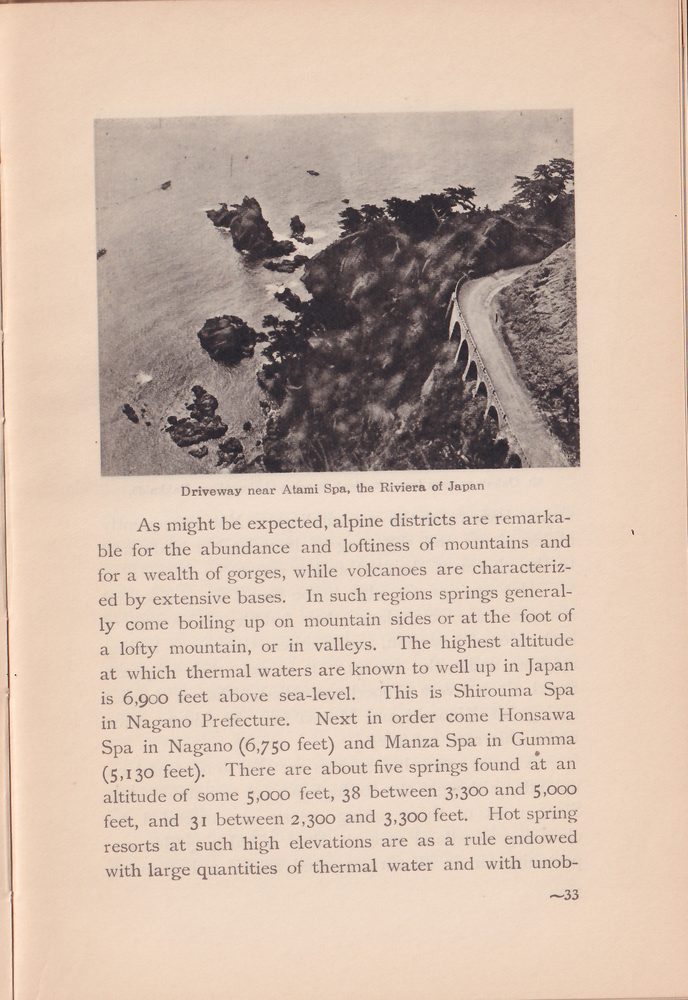
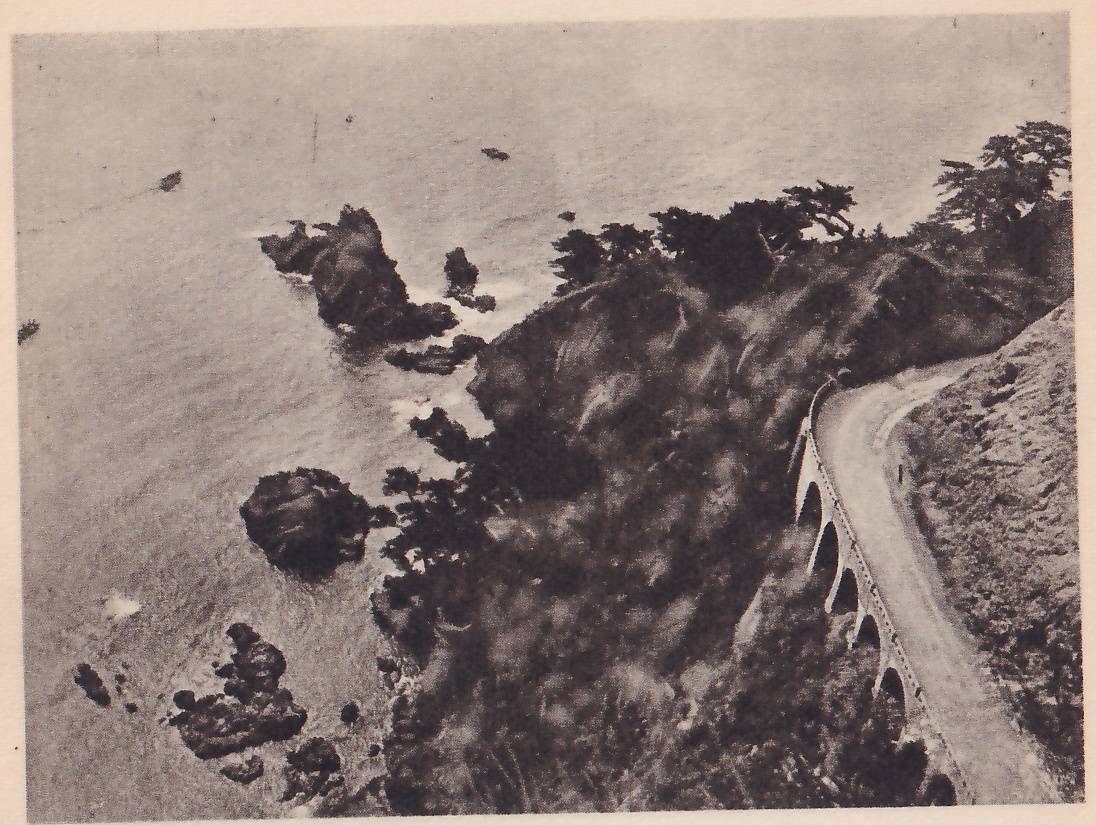
As might be expected, alpine districts are remarkable for the abundance and loftiness of mountains and for a wealth of gorges, while volcanoes are characterized by extensive bases. In such regions springs generally come boiling up on mountain sides or at the foot of a lofty mountain, or in valleys. The highest altitude at which thermal waters are known to well up in Japan is 6,900 feet above sea-level. This is Shirouma Spa in Nagano Prefecture. Next in order come Honsawa Spa in Nagano (6,750 feet) and Manza Spa in Gumma (5,130 feet). There are about five springs found at an altitude of some 5,000 feet, 38 between 3,300 and 5,000 feet, and 31 between 2,300 and 3,300 feet. Hot spring resorts at such high elevations are as a rule endowed with large quantities of thermal water and with unob-
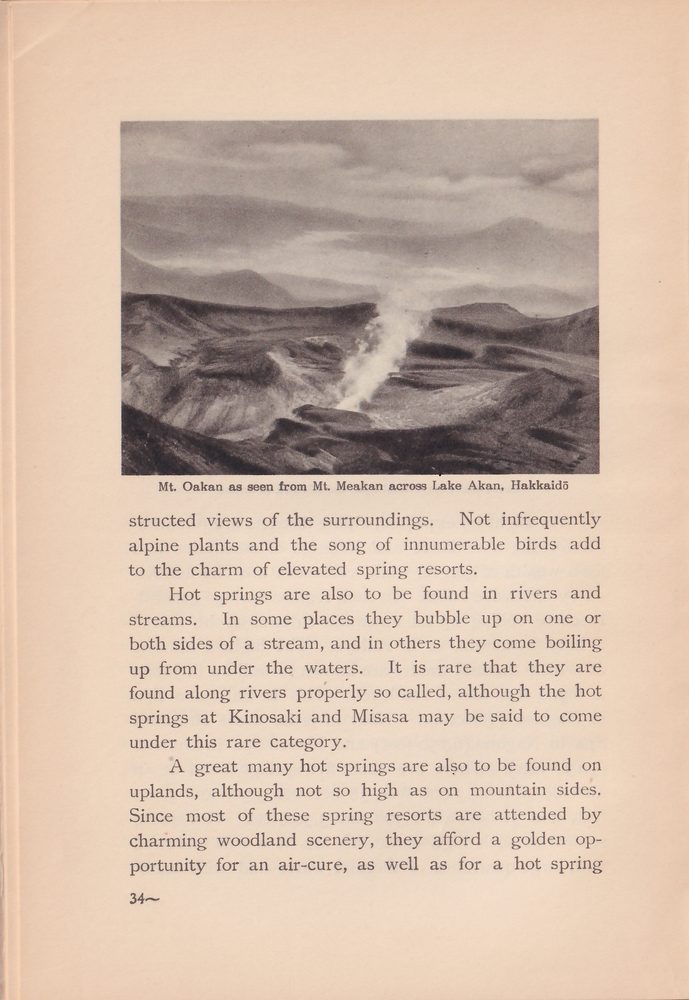
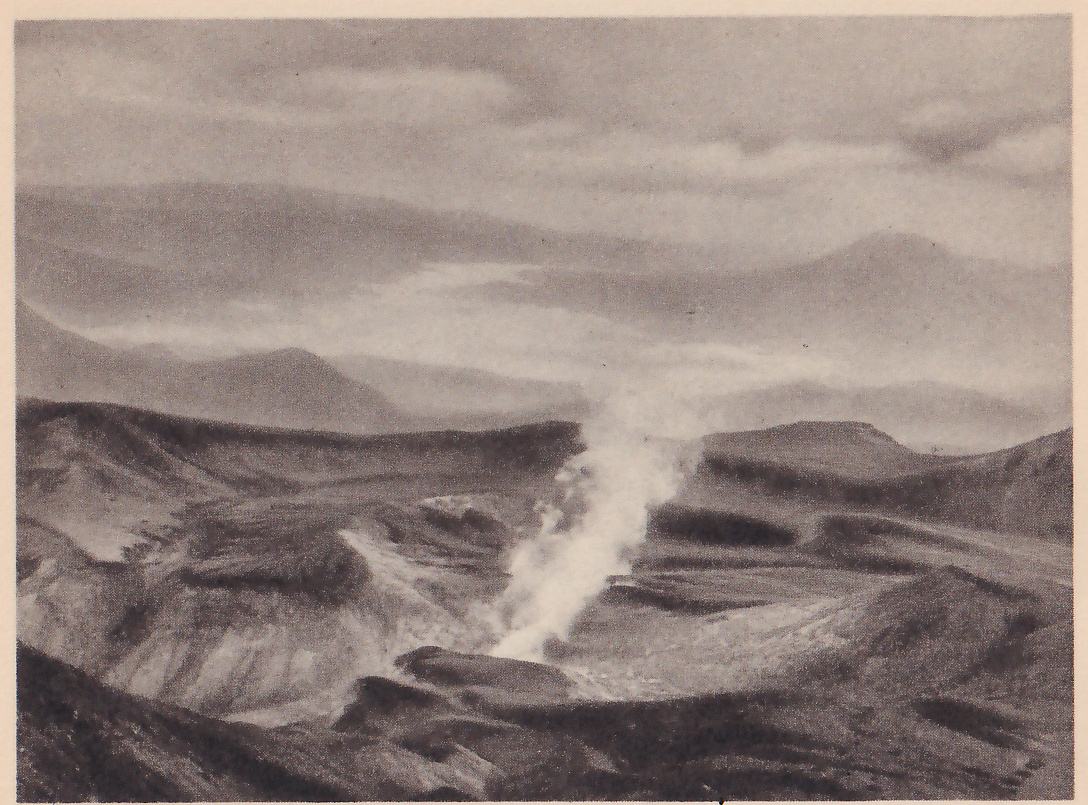
structed views of the surroundings. Not infrequently alpine plants and the song of innumerable birds add to the charm of elevated spring resorts.
Hot springs are also to be found in rivers and streams. In some places they bubble up on one or both sides of a stream, and in others they come boiling up from under the waters. It is rare that they are found along rivers properly so called, although the hot springs at Kinosaki and Misasa may be said to come under this rare category.
A great many hot springs are also to be found on uplands, although not so high as on mountain sides. Since most of these spring resorts are attended by charming woodland scenery, they afford a golden opportunity for an air-cure, as well as for a hot spring
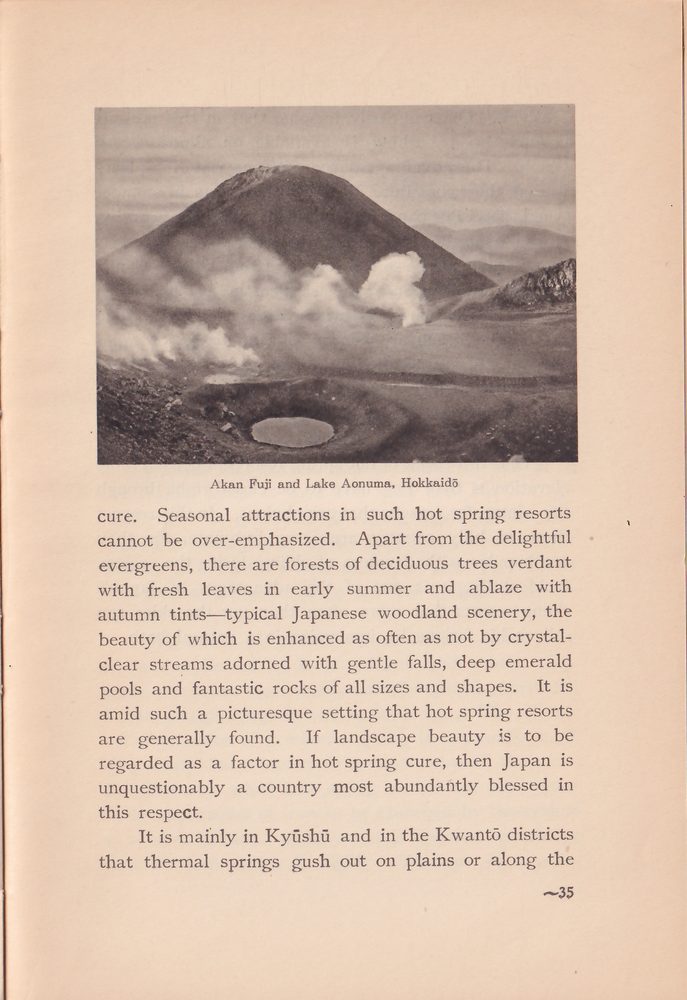
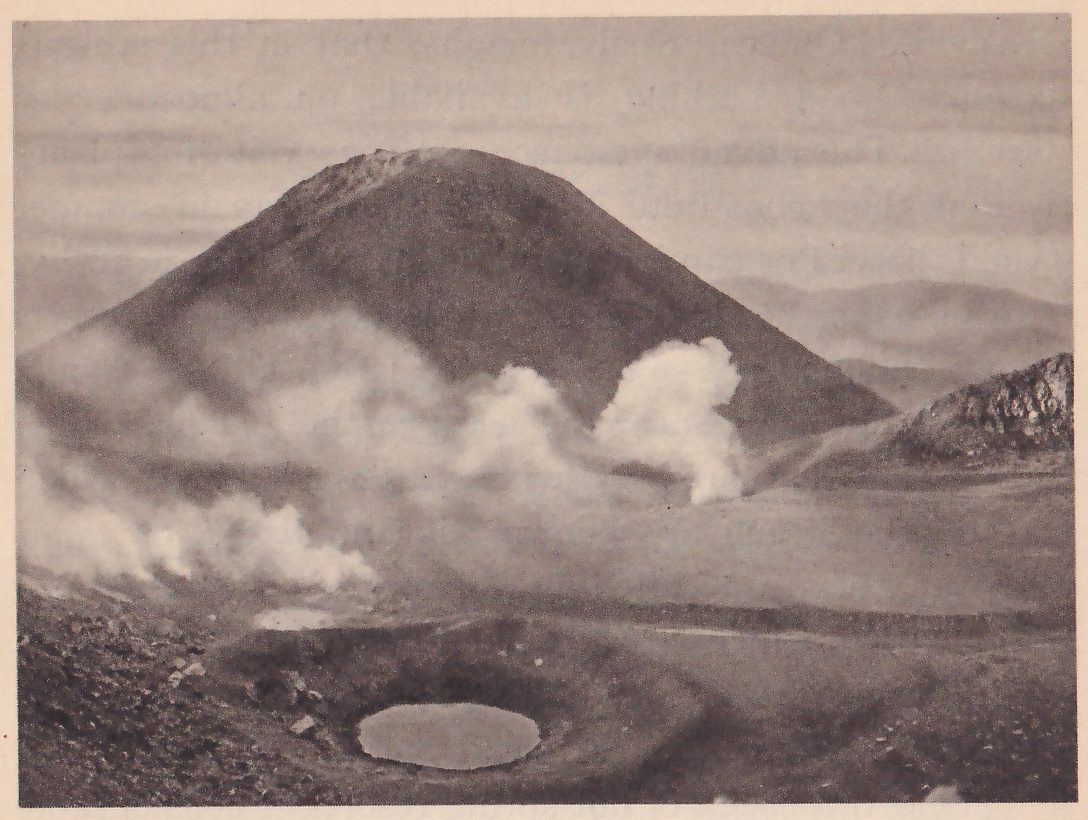
cure. Seasonal attractions in such hot spring resorts cannot be over-emphasized. Apart from the delightful evergreens, there are forests of deciduous trees verdant with fresh leaves in early summer and ablaze with autumn tints—typical Japanese woodland scenery, the beauty of which is enhanced as often as not by crystal-clear streams adorned with gentle falls, deep emerald pools and fantastic rocks of all sizes and shapes. It is amid such a picturesque setting that hot spring resorts are generally found. If landscape beauty is to be regarded as a factor in hot spring cure, then Japan is unquestionably a country most abundantly blessed in this respect.
It is mainly in Kyūshū and in the Kwantō districts that thermal springs gush out on plains or along the
seashore. One can easily imagine that in this sea-girt country good bathing is available on almost every beach. The advantage of some of our watering-places is that they constitute ideal health resorts in summer when the visitor can bathe in the hot springs near by, as well as in the sea. And, what is more, such resorts are to be found not so far from the larger cities. Again, most of the springs near the sea face the Pacific, which means that they are good winter resorts. Those which are on the beach are known as sand baths, or suna-buro as they are called in Japanese. These natural sand baths, which are special features of the Beppu and Ibusuki Spas, both in Kyūshū, are of course far more satisfactory than artificial ones.
One drawback of hot spring resorts of considerable elevation is that they have to be closed right through the winter, for reasons that are obvious. In this respect those in hilly country are more fortunate, for they are popular with devotees of skiing during the season. Incidentally, it is one of the advantages of Japan’s skiing resorts that more often than not the skier can relieve his fatigue by immersion in a natural bath.