
PART I. INTRODUCTORY REMARKS
Shintō or Kami-no-Michi, the Way of the Gods, sometimes classically called Kannagara-no-Michi, or the Way divinely set forth and handed down from time immemorial, in contradistinction to the alien imported faith of Buddhism, is a name given to the religious belief indigenous to the soil of Japan. Shintō is the original religion of Japan, believed and practised by the Japanese people, from hoary antiquity down to the present. It is a religion which originated in the peculiar religious temperament of the Japanese people, and it has followed its own natural course of growth, in company with the long development of the Japanese national life, more than two millenniums, though variously influenced by the two foreign imported teachings, Buddhism and Confucianism. Shintō is indeed a religion peculiar to and inherent in the Japanese mind, so that it cannot be displaced or eradicated by any conflicting religious power from without.
The earliest documentary appearances of the term Shintō or Kami-no-Michi are found in the “Nihongi” or Chronicles of Japan as follows:
“The Emperor Yōmei (540–587) believed in the Law of Buddha and reverenced Shintō or the Way of the Gods” (Aston, “Nihongi,” Vol. II, p. 106).
“The Emperor Kōtoku (596–654) honoured the religion of Buddha and despised the Way of the Gods” (ibid., p. 195).
As seen from the above, Shintō means Kami-no-Michi, or literally the Way of the Kami or Gods. What then is the meaning of the word Michi or Way, and what is the meaning of Kami or Gods in the Japanese sense? The word Michi or Way may here seem vaguely to mean both religious teaching and practice or observance, and Kami means gods or deities, sometimes souls or spirits, the Greek theos or daimon, the Latin deus or numina. This is the religious meaning of the Japanese word Kami. At the same time, the word Kami has another signification, not religious but quite secular. The word Kami, literally and etymologically considered, means higher, upper, above, and superior. Therefore, anything, man or beast, animal or plant, organic or inorganic, which, in certain respects, is higher than ourselves is entitled to be called Kami. So, for instance, any government or court official higher than others in rank is a Kami, i. e., one’s superior or senior. In the long course of Shintō history, the two conceptions of Kami, religious and secular, are mixed up or blended, so puzzlingly that it happens very often that no one can tell which is which. This is one of the very causes which have given rise to the view that Shintō is not a religion at all, because its Kami is nothing but a human personality higher in rank than his fellow men. Thus we have a view that Shintō expresses a relation not between God and man, which is truly a religion, but
rather a relation between man and man, from which morality indeed may spring, but never religion. There is, in my opinion, no view more erroneous than this. In Shintō a man of an ethically noble character may be worshipped, not because of his human nature, but because of superior divine nature, which in reality is above and transcends that of humanity; just as Buddhists of ancient India took refuge in the Buddha, to such a degree that they in fact worshipped their “Great Teacher of the gods and men” as “The true God among the gods.” They took refuge in the Buddha just as the ancient Israelites took refuge in Jehovah (Yahweh). To see divinity in humanity, contrary to a religion of the theocratic type, is one of the characteristics of a religion of the theanthropic
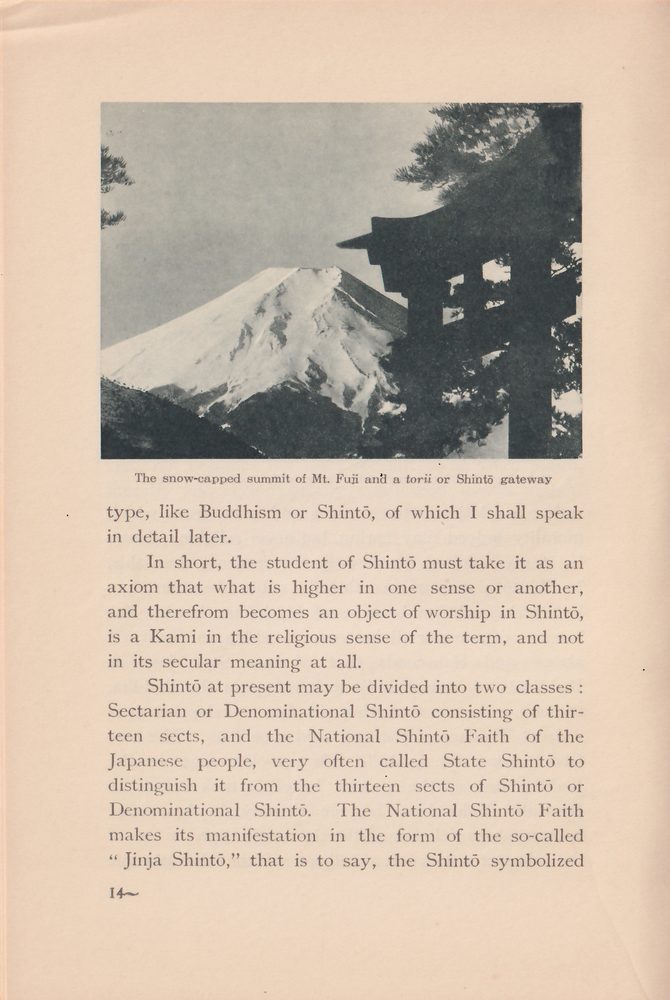
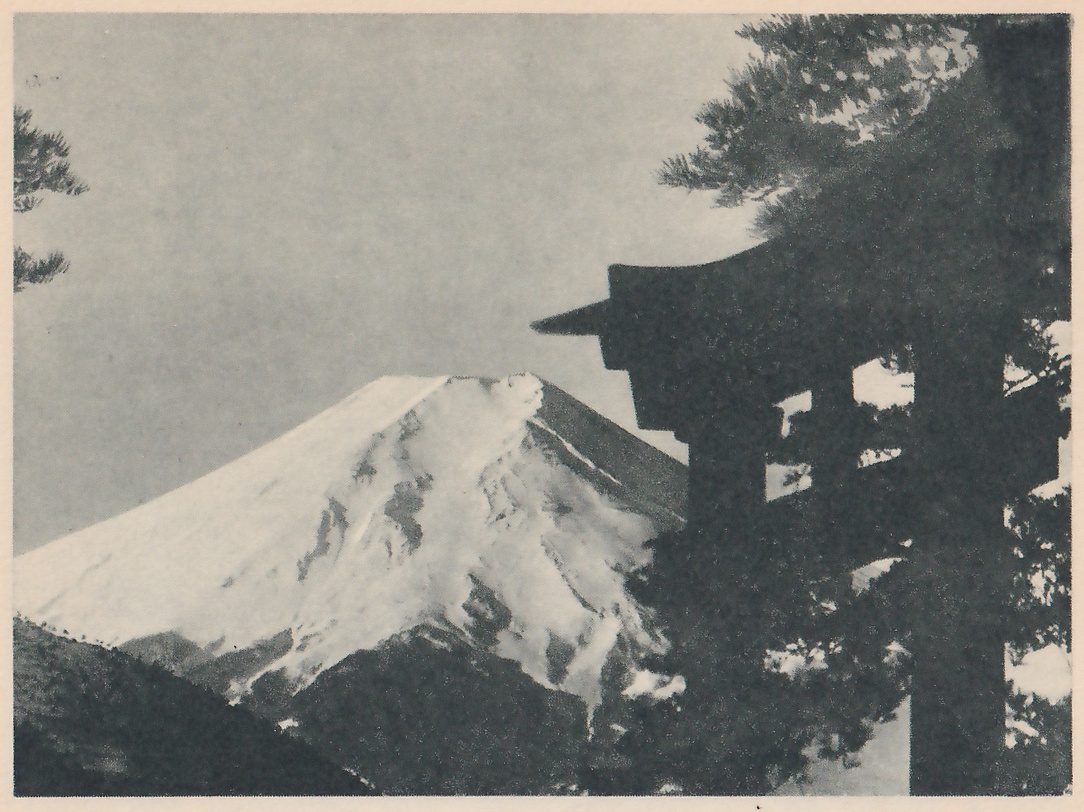
type, like Buddhism or Shintō, of which I shall speak in detail later.
In short, the student of Shintō must take it as an axiom that what is higher in one sense or another, and therefrom becomes an object of worship in Shintō, is a Kami in the religious sense of the term, and not in its secular meaning at all.
Shintō at present may be divided into two classes: Sectarian or Denominational Shintō consisting of thirteen sects, and the National Shintō Faith of the Japanese people, very often called State Shintō to distinguish it from the thirteen sects of Shintō or Denominational Shintō. The National Shintō Faith makes its manifestation in the form of the so-called “Jinja Shintō,” that is to say, the Shintō symbolized
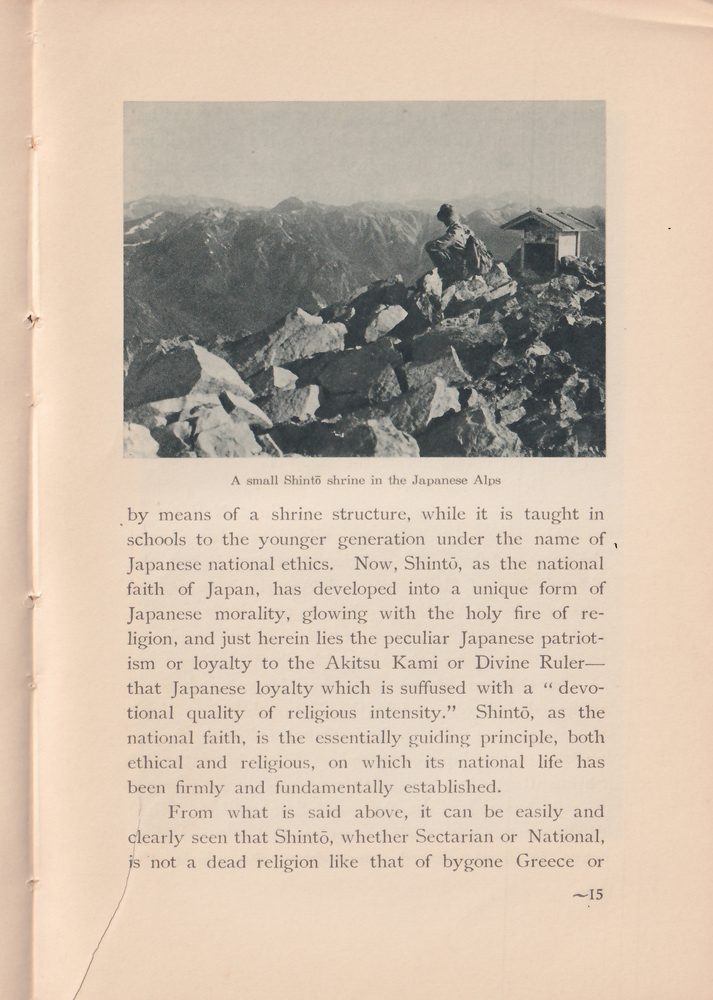
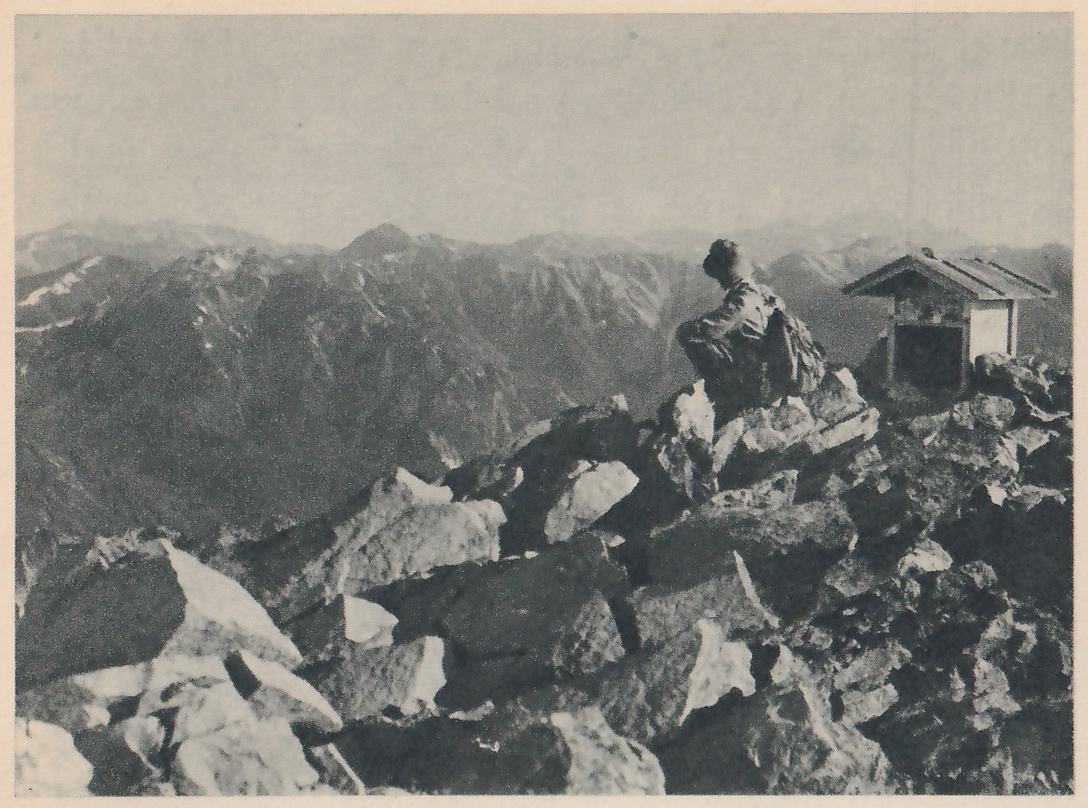
by means of a shrine structure, while it is taught in schools to the younger generation under the name of Japanese national ethics. Now, Shintō, as the national faith of Japan, has developed into a unique form of Japanese morality, glowing with the holy fire of religion, and just herein lies the peculiar Japanese patriotism or loyalty to the Akitsu Kami or Divine Ruler—that Japanese loyalty which is suffused with a “devotional quality of religious intensity.” Shintō, as the national faith, is the essentially guiding principle, both ethical and religious, on which its national life has been firmly and fundamentally established.
From what is said above, it can be easily and clearly seen that Shintō, whether Sectarian or National, is not a dead religion like that of bygone Greece or
Rome, but, has a vitality in no way inferior to that of Buddhism, Christianity or Islam. It is the religion which, flourishing in Japan from ancient times, maintains its vigour today unabated. It is true that Shintō has been influenced to a great extent by alien teachings of Buddhism and Confucianism for instance, yet it has never been annihilated by imported foreign creeds. On the contrary, it has unfailingly maintained itself, generation after generation, revealing from time to time new phases of a higher and higher order of religion. The national religion of ancient Greece has long ceased to be, as Milton once happily sang:
“Apollo from his shrine
Can no more divine,
With hollow shriek the steep of
Delphos leaving.”
—Christ Nativity
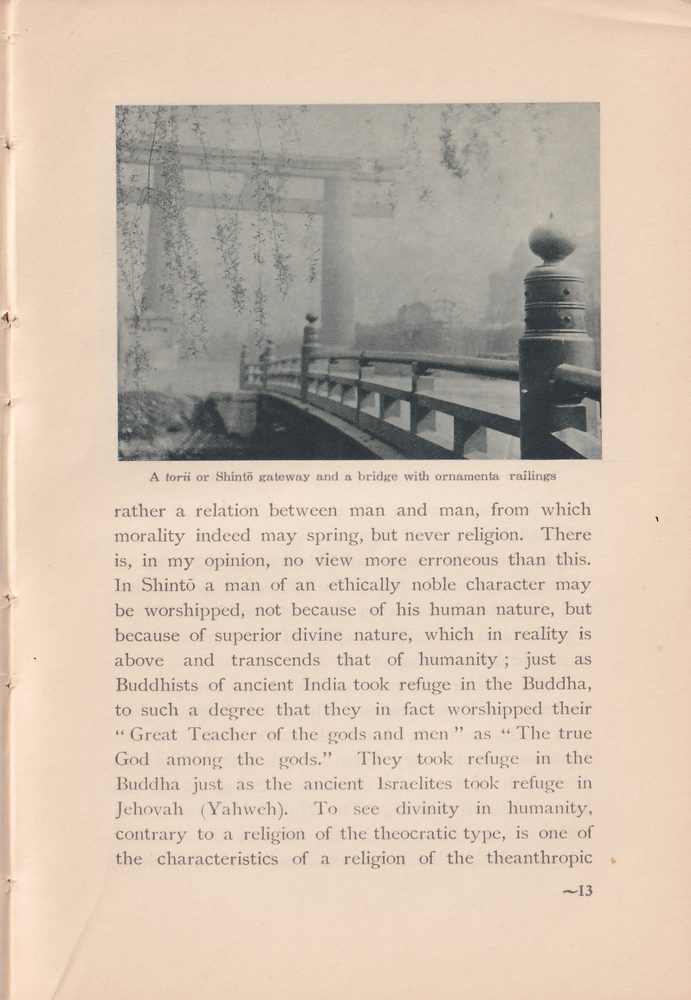
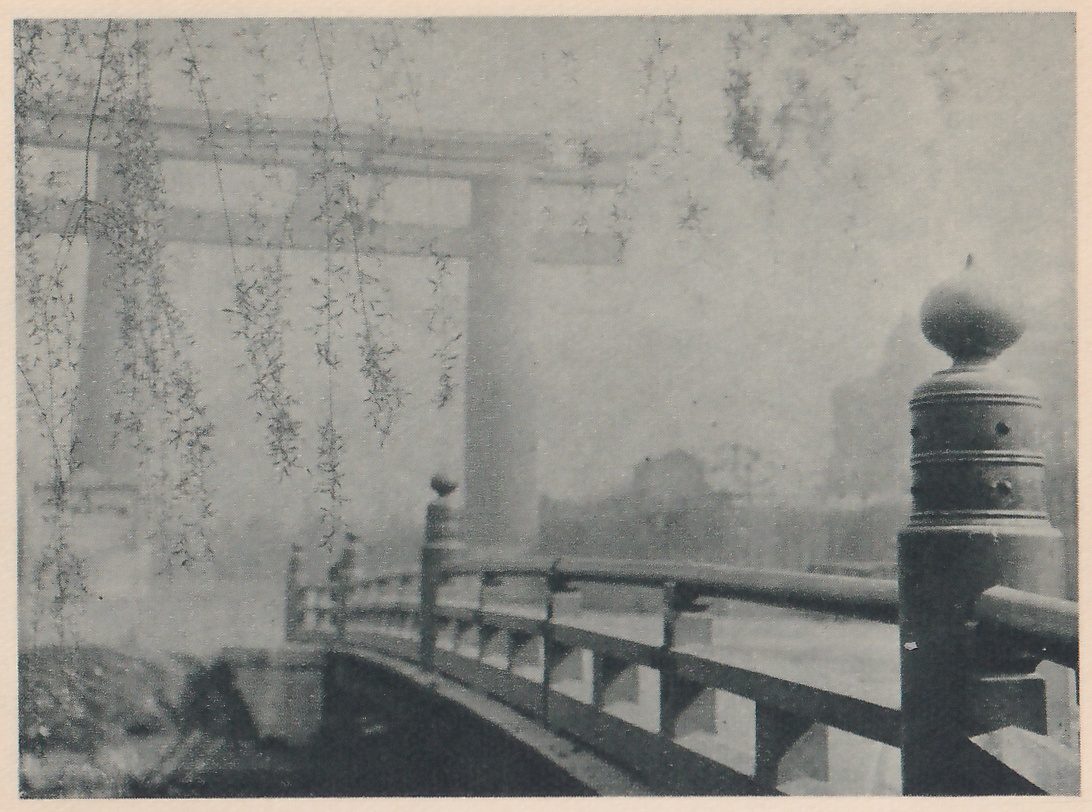
The national religion of early Rome has shared the same sad fate. The religion of ancient Egypt, the old religions of Babylonia and Assyria have passed into oblivion. All these religions are things of the past, gone forever, representing no faith of peoples of today. It is quite otherwise with Shintō. Every one of the thirteen Shintō sects has large numbers of professed believers, while the National Shintō Faith stands as one of the fundamental spiritual characteristics of the Japanese people. Every year the Ise Shrine attracts hundreds of thousands of devout pilgrims to pay homage to the Ancestral Sun-Goddess; while Shintō shrines with their picturesque red-coloured gateways in front, dotted everywhere throughout the
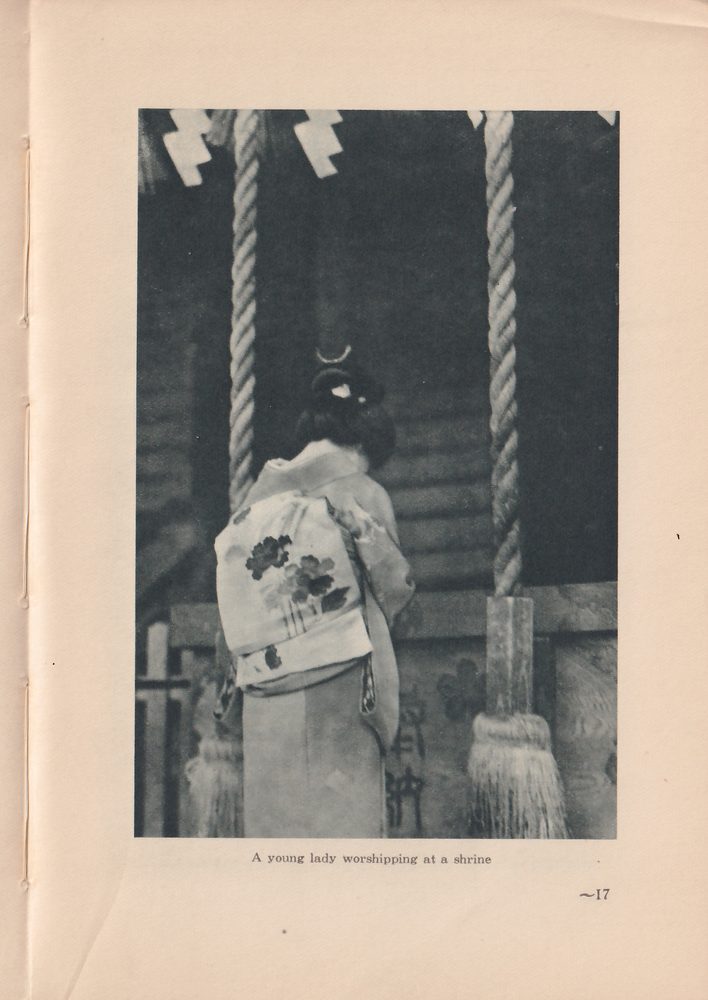
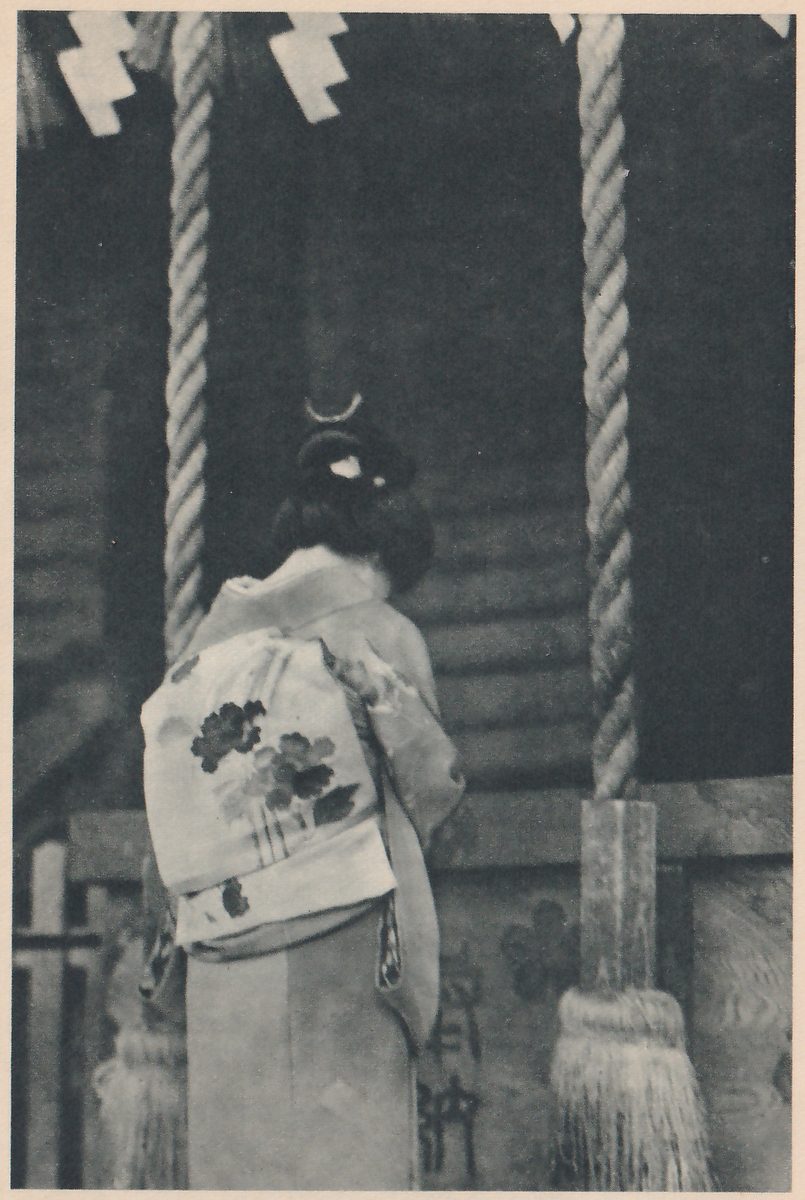
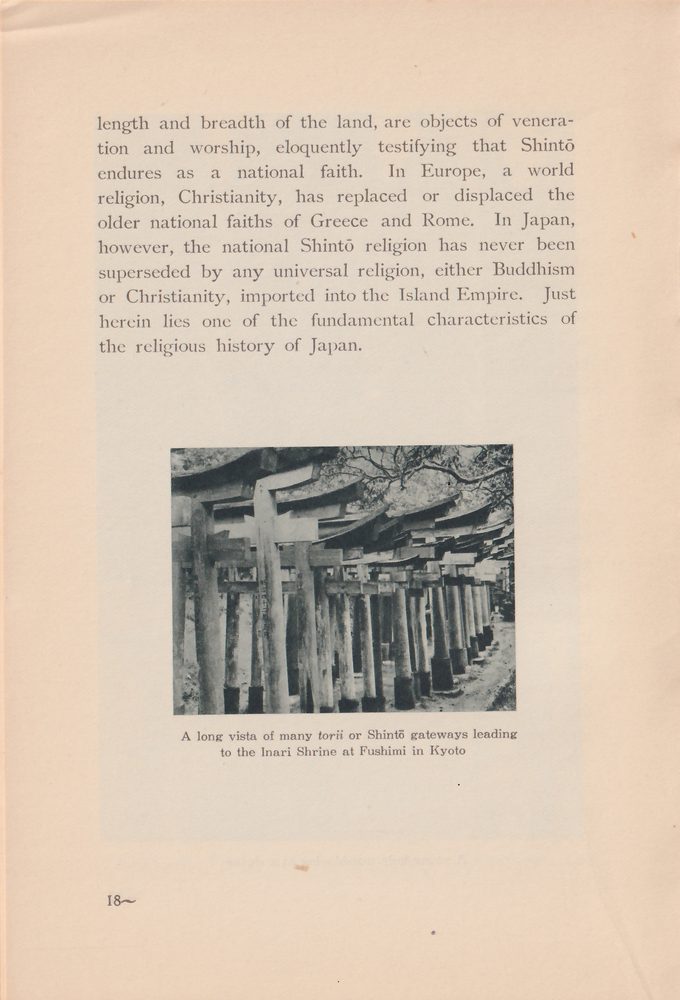
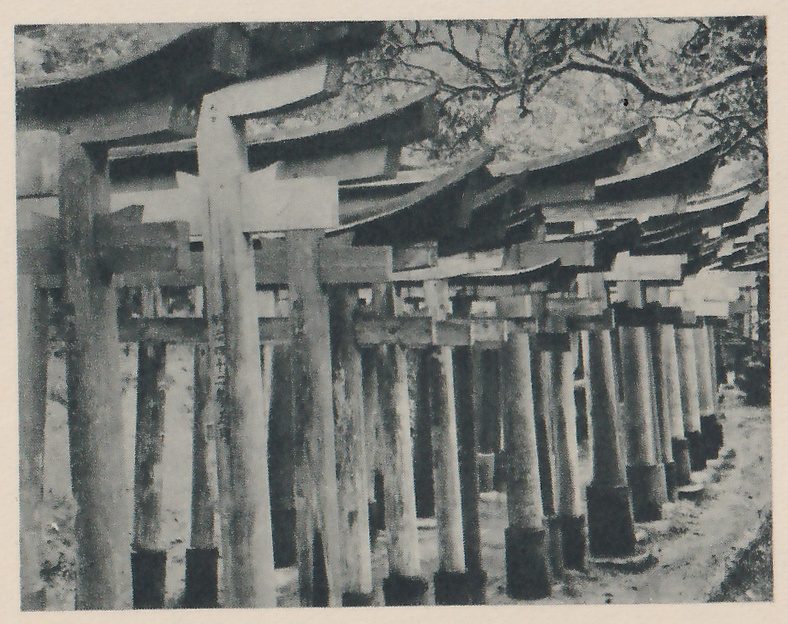
length and breadth of the land, are objects of veneration and worship, eloquently testifying that Shintō endures as a national faith. In Europe, a world religion, Christianity, has replaced or displaced the older national faiths of Greece and Rome. In Japan, however, the national Shintō religion has never been superseded by any universal religion, either Buddhism or Christianity, imported into the Island Empire. Just herein lies one of the fundamental characteristics of the religious history of Japan.