守破離 shu ha ri Keep, Break, Leave
守破離 (shu ha ri) names three stages in learning an art, keeping its form, breaking it and leaving it. The earliest known text to carry it is a tea master's, written in Edo between 1750 and 1773. This study follows it to the sword manuals and a verse given to Rikyū, and finds the oldest text's third stage still keeping the form.

Abstract
守破離, shu ha ri, names three stages in learning an art: keep its form, break it, leave it. The earliest known text to carry the word is a tea text, one of the articles that Kawakami Fuhaku 川上不白 (1716–1807) added to a record of the sayings of his teacher Joshinsai 如心斎, written on the evidence of its signature in Edo between 1750 and 1773; it says the word was borrowed from military science, and no text of military science is known to carry it. The sword manuals have it from 1884, under the name of Chiba Shūsaku 千葉周作, and the verse given to Rikyū 利休 that is now most often named as its source is first known in print in 1903. In the oldest text the third stage is not an escape from the form: the master, having exhausted it, leaves it and keeps it.
Overview
The sense. The dictionaries give one sense across two arts: in kendō and the tea ceremony, the stages of training, where 守 is keeping faithfully to the teaching, forms and techniques of one's teacher and school, 破 is weighing the teaching of other teachers and schools and taking in what is good, and 離 is leaving a single school to create something new of one's own [1]. An encyclopedia sets it beside the triad 真行草, the formal, semi-formal and cursive, as a near synonym for the move from keeping a form to breaking it [2]. The national dictionary carries the word, and its citation is the tea text below [3]. The witnesses hold more than the dictionaries' sense. In the tea texts the three are degrees of skill, 下手, 上手 and 名人, the unskilled, the skilled and the master, each not in the ordinary sense, and the third ends in keeping. In the sword manuals from 1884 they are precepts of training, and in 1895 stages that end in a return to the origin; and from 1938 a judo textbook makes 離 the founding of one's own school, which is the sense the dictionaries now give.
The words. 守 is mamoru, to keep or guard; 破 is yaburu, to break; 離 is hanareru, to leave or come away. The texts give these readings themselves: a tea journal that the library's record dates to October 1937 has 守はマモル、破はヤフル、離はハナルヽ [4], and the sword text of 1915 守はまもると云うて, keeping, which is called mamoru [5]; both books are served only in Japan, and both are read here only in the excerpts the National Diet Library's full-text index shows. The 1905 print rubies the word しゆはり, shu ha ri [6]. 序破急, jo ha kyū, the three-part tempo of the performing arts, shares the character 破 and is a different triad [7].
The text in English. The earliest known English is a calligraphy lesson of 1974, in which Kuroda Ichitaro gives 守 its Japanese verb, shu (mamoru), and binds it to a single school [8]. A karate manual of 1985 renders the three Obedience, divergence, transcendence [9], and the ladder from obedience to transcendence is the English the word has kept. JMdict gives three stages of mastery: the fundamentals, breaking with tradition, creating one's own techniques [10].
The historical record
1750–1773. Kawakami Fuhaku, the supplement to the 茶話抄. The 茶話抄, Notes of Tea Talk, is a record of the teaching of Joshinsai, the seventh head of the Omotesenke 表千家 house of tea, kept by his pupil Yokoi Tansho 横井淡所, a retainer of the lord of Kii; two fellow pupils, Fuhaku among them, added to it [11][12]. The national catalogue of premodern books lists it under Yokoi with Fuhaku and others as supplementers, in manuscript copies of which the earliest dated is of 1801, and it was first printed in 1961 [13][12]. The editor of 1961 printed a copy from his own house and compared it with a second, and notes at the 守破離 article that the second lacks it and the two articles after it, which are Fuhaku's supplement [12]. The article as the 1961 edition prints it, read here only in the excerpt the Library's full-text index shows, since the book is served only in Japan [12]:
或時、武家万上手下手を問ふ、予答テいふ、守破離と云事軍法用、尤用方違ひ候へ共、茶道ニ取テ申候ハヽ守ハ下手尤常躰ノ下手トハ違ひ候、夫ニツナカレタル物也、守株待兎、事サヲシテ破ハ上手尤常ノ破トハ違候
Once a warrior asked me about skill and the lack of it in all things. I answered: the thing called keep, break, leave is used in military science. It is used differently there, but taking it for the Way of Tea, keeping is the unskilled, though not unskilled in the ordinary sense: one who is tethered to it, waiting by the stump for a hare. Breaking is the skilled, though not breaking in the ordinary sense. The second copy's colophon, as the editor gives it (again in the index's excerpt), reads 南紀淡所述 東武不羨補 南紀應物加, told by Tansho of southern Kii, supplemented by 不羨 of Edo, added to by 應物 of southern Kii [12]. 不羨 is the name Fuhaku used before 1773, when he handed his house to his successor and took the name 不白, and he had come to Edo in 1750 [14]. If the colophon's names are the supplement's own, it was written in Edo between those two years; that is an inference from the names, and no copy dated earlier than 1801 is known.
1905. Tanaka Senshō 田中仙樵, 茶禅一味, the word's first known print. Tanaka printed, among the tea texts in his book, a short text headed 一 茶話抄附錄 (如心齋傳法), Appendix to the 茶話抄 (Joshinsai's transmission), without the 茶話抄 it is appended to, in which a writer who says he heard and learned these things adds a few secrets of his own. One of them [6]:
一軍法には守破離とあり是れ茶道の極意 守は下手 尤も常體の下手とは違ひ候事業をして工夫につながれたる物なり守狩待兎 破は上手 尤も常の破とは違ひ守て破るなり時によつて守るも法を破るも法なり見風使帆 離は名人 尤も常の離れたるとは違ひ事を盡し離れて守る應無所住而生其心
In military science there is keep, break, leave: this is the inmost secret of the Way of Tea. Keeping is the unskilled, though not unskilled in the ordinary sense: one who does the work and is tethered to his devising; keeping to the hunt and waiting for the hare. Breaking is the skilled, though not breaking in the ordinary sense: one breaks while keeping. As the time asks, to keep is the law and to break the law is the law; watch the wind and set the sail. Leaving is the master, though not leaving in the ordinary sense: having exhausted the matter, one leaves and keeps. "Let the mind arise abiding nowhere." The next article names the last line's source, the 金剛經, the Diamond Sutra, and the appendix closes 心術雙忘。一味常顯。是茶道之妙用也, heart and art both forgotten, the one taste always shows: this is the wondrous working of the Way of Tea [6]. This is the same passage as the 1961 article in another recension: there it answers a warrior's question, here it is a statement, and where the 1961 edition prints the idiom 守株待兎, waiting by the stump for a hare, the 1905 print has 守狩待兎 with the ruby かりをまもりうさぎをまつ. Both give the word to 軍法, military science, and both make each stage something other than its ordinary sense.
1932. A letter of Fuhaku. Tanaka quotes in a later book a letter of Fuhaku that sets out three more stages, 種熟達と申て, what is called seed, ripening, attainment, as a tree from seed to flower and fruit, and adds 前の守破離も是成るべし, the 守破離 above must be this too, so the letter had spoken of 守破離 before that point [15]. Tanaka's note places it after Joshinsai's death, when Fuhaku, gone to Edo in service, could not act as guardian to Joshinsai's heir [15].
1933–1937. Two further wordings, each in a book served only in Japan and read in the full-text index's excerpt. A tea compendium of 1933 prints the passage in a form close to the 1961 edition's, 或る武家衆、上手下手を問。予答曰、守破離ト云事、軍法に用, a warrior asked about skill and the lack of it; I answered: the thing called 守破離 is used in military science [16]. A tea journal of 1937 has a third: 守破離と申三字軍法の習ふ有、守はマモル、破はヤフル、離はハナルヽと申、弟子に教るは此守と申所, in military science there is a teaching of the three characters 守破離: 守 is called mamoru, 破 yaburu, 離 hanaruru; what one teaches a pupil is the part called 守 [4]. All the tea wordings give the word to military science.
1884. 剣法秘訣, under Chiba Shūsaku's name. The word's first known appearance in a sword text. 剣法秘訣, Secrets of the Sword, was compiled and printed in Tokyo in 1884 by a pupil of Chiba Michisaburō 千葉道三郎, whose preface names Chiba Shūsaku and his son Eijirō 榮次郎, and the library catalogues describe it as handed down from the two [17]. The library serves no page images of it; in the full-text index's excerpts, its contents list 守破離ノ三戒, the three precepts of keep, break, leave, and the text has 守破離ト云フ戒論アリ, there is the admonition called keep, break, leave [17]. The edition of 1915, edited by Shūsaku's grandson and served only in Japan, says in its preface, in the index's excerpts, that Shūsaku, teaching for over thirty years, 自から記述し、又は門人に口授せし劍法の秘訣少からず, wrote down himself, or taught by mouth to his pupils, not a few secrets of the sword, and gives the passage as 守はまもると云うて、其の流の趣意を守ることにて, keeping, which is called mamoru, is keeping to the intent of one's school [5]. The text is Shūsaku's by his family's attribution, gathered and printed after his death.
1895. 武道教範, a manual of the martial arts. The three as stages, with a return at the end [18]:
守破離三段の位ひに達して、而して元に歸すへし。守は、守つて專心規矩に法とる、是れ一段なり。破は、破つて新工夫ずる、是れ二段なり。離は、其の守破二樣の區域を離れて、天眞爛熳たる、是れ三段なり
One is to reach the rank of the three stages of keep, break, leave, and then return to the origin. Keep: keeping, one takes the rule wholly as one's model; this is the first stage. Break: breaking, one devises anew; this is the second. Leave: leaving the bounds of both keeping and breaking, one is wholly natural; this is the third.
1903. The verse, under Rikyū's name. Sen Sōshitsu 千宗室's 茶道浜の真砂 prints the hundred poems of tea under Rikyū's name and closes them with this one [19]:
規矩作法守り盡して破るとも離るゝとても本を忘れな
The rule and the manner: keep them to the end, and though you break them, though you leave them, do not forget the root. Ten poems before it, the same page prints the 稽古とは poem with which the copy of 1623 below closes its hundred [19]. From here the verse is printed again and again, and a tea dictionary of 1940 sets it beside the sword: 劍道に守破離の三階段を說く, kendō teaches the three steps of 守破離, and in tea the last poem of the hundred says the same; it ends the verse 本を忘るな, where the 1903 print has 本を忘れな [20]. The hundred poems are older than the print, and the two Edo copies of 1623 and 1817 read here close differently. A copy whose colophon calls the set Rikyū's own work, 此百首利休宗易居士之製作, and dates itself 元和九年, 1623, ends its hundred on another poem, the one that opens 稽古とは, practice is, and ends on a return from ten to the one [21]. The copy is in a running hand, and its wording of the poem is not transcribed here. A copy made in 1817, whose colophon dates the set to 天正八年, 1580, under Rikyū's name, carries that poem near its end and closes on two others [22]. A print of the hundred poems of 1752 is recorded [23]. Ishizuka Osamu's collation of 2007 sets the Keio print of 1752, under its own title 利休茶湯百首, beside seven other texts of the hundred and a set of 147 tea poems, and only one of the nine carries the verse: the hundred in 法護普須磨, whose preface is dated 安政3, 1856, where it is the hundredth poem, in a copy made in 1915. Ishizuka takes that text to be edited from the hundred that the eleventh Urasenke master Gengensai 玄々斎 wrote out in 1845, which closes on another poem, and he infers that the verse was set in the later text to close the hundred, 最終的に百首の掉尾を飾る一首としておかれたもの, finally set as the one poem that crowns the hundred [24]. He reports too, from a book of 1976, that Gengensai took up 守・破・離 in 1843, in a writing titled 喫茶敲門瓦子: 弟子守を習ひ尽し、能成候へハ、自然ト破ル, when a pupil has learned keeping to the end and can do it well, he breaks naturally [24]. That writing is not read here.
1938. 学校柔道, a school judo textbook. Under the heading 師匠離れと言ふこと, on leaving one's teacher: 離とは、諸流儀に熟達して後、獨自の境地を見出し、一流を立てること, 離 is, after mastering the various schools, to find a ground of one's own and found a school [25]. It is the dictionaries' sense of 離, and it is the first known text to give it.
1940. Calligraphy. A book of essays applies the word to the brush, and names where it took it from, in the index's excerpt (the book is served only in Japan): 書道の段階として、茶道の守破離を適用してみると, applying the tea ceremony's 守破離 to the stages of calligraphy [26].
1942–1985. New fathers. From the war years the word gathers attributions, read here in the full-text index's excerpts of books served only in Japan. A book of 1942 calls it Zen's, 禅に云ふ守破離, what Zen calls 守破離 [27]; in 1958 one book gives it to Bashō 芭蕉, 芭蕉の言葉に守·破·離 [28], and another calls the verse 千利休が作ったお茶の極意の歌, the poem on the secret of tea that Sen no Rikyū made [29]; in 1985 it is given to Zeami 世阿弥, 世阿弥の「守・破・離」 [30]. None of the excerpts quotes a text by the name it gives.
What is not a source. The verse given to Rikyū is not the word's source on the known record: it is in print from 1903, the tea texts that carry the word are older, and the two dated Edo copies of the hundred read here close on other poems; the earliest text known to close on it is the hundred in 法護普須磨, which Ishizuka derives from Gengensai's of 1845, its preface dated 1856, about a century after Fuhaku's articles, and read by him in a manuscript copy of 1915 [24]. ja.wikipedia's statement that the word was originally quoted from the verse in the 利休道歌, もとは、千利休の訓をまとめた『利休道歌』にある … を引用したもの, is the reception of the verse, not its history [31]. No text of Zeami is known to carry the word, and the attribution to him first stands in 1985 [30]. The triads 序破急 and 真行草 are neighbors, set beside 守破離 by the dictionaries [7][2]. A study of 1998 likens the training Takuan 沢庵 teaches to 守破離 in tea; that is the author's comparison, not a witness [32]. The line of the Diamond Sutra the 1905 text closes on is that text's gloss on 離, not the word's source [6]. And no text of military science, in print or in a modern transcription, is known to carry the word, so the tea texts' claim that it came from there rests on the tea texts alone.
The word in English
1974. Kuroda Ichitaro, "Calligraphy: Shu-Ha-Ri, Part 1", Martial Arts International, vol. 1, no. 1, p. 52. The earliest known English, a lesson in brushing the three characters, planned across three issues, by a calligrapher who had trained in the martial arts [8]: All classical martial disciplines rest solidly on the concept of shu-ha-ri … Shu-ha-ri is, in fact, an equation. It describes the stages of development which all exponents may attain … The first ideogram, shu (mamoru), carries the special connotation that describes a person's dedication to study and training in the manner of a martial ryu. In the shu stage of his development the trainee must involve himself only with one ryu, no more … It is a purposeful kind of "narrowmindedness." It gives the word to the martial arts alone, and its 守 is loyalty to one school; the tea texts' 守, a degree of skill that is not unskilled in the ordinary sense, is not in it.
1978. The East. A magazine on Japan, in English, brings the tea side in, in the words the Internet Archive's full-text search shows from an item in controlled lending: Fuhaku referred to the tea ceremony [33].
1985. Robin L. Rielly, Karate Training. In the words the Internet Archive's full-text search shows (the book is in controlled lending): Shu ha ri (Obedience, divergence, transcendence) [9]. Transcendence is the English the word has kept. The oldest Japanese witness gives 離 the opposite turn, leaving that keeps, and the sword manual of 1895, which comes nearest to transcendence, still sends the master back to the origin.
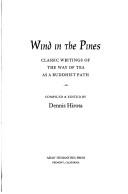
1995. Hamamoto Sōshun, in Dennis Hirota's Wind in the Pines. An Urasenke tea teacher's essay in translation: The three stages of observance of rules, breaking through, and freedom (shu ha ri) were first formulated in military science, but they also apply to the progress of tea practice … This freedom, however, is none other than to observe the rules. The Diamond Sutra states: "Awaken the mind that dwells nowhere." [34] It is the only English rendering known that keeps the 1905 text's sequence whole, from military science through leaving that keeps to the sutra; first formulated in military science repeats the tea texts' claim, which no military text bears out.
2006. en.wikipedia, Shuhari. The first revision calls it a Japanese martial arts concept and gives Ri: transcendence, taken from a wiki on the game of go [35].
2015. Alexander Bennett, Kendo: Culture of the Sword. … one concept is applied to all of the traditional Japanese arts, not just martial: shu-ha-ri (maintain-break-separate). Scrolls of the Ono-ha Ittō-ryū … explain that a student must follow three steps [36]. The note to the sentence cites Sasamori Junzō 笹森順造's 一刀流極意 of 1965 [36], whose own prose uses the word [37]; no scroll of the school is quoted for it, so the claim that the Ittō-ryū's scrolls carry it stands on a modern teacher's book, not on a scroll.
Today: en.wikipedia renders the word follow the rules, break the rules, transcend the rules and says that this specific phrasing is usually attributed to Sen no Rikyū, from the verse, that it was presented by Fuhaku Kawakami, a 19th century tea master, and that Fuhaku based his process from the works of Zeami Motokiyo [38]. Fuhaku lived from 1716 to 1807 [14], and the supplement that carries the word was written, on the evidence of its signature, between 1750 and 1773, so 19th century misplaces him; and no text of Zeami's is known to carry the word, so the second statement has no footing. JMdict gives three stages of mastery [10]. The text is not yet sold as a design. The selection sheet's English, keep, break, leave, renders the three characters word for word; what a rendering must not lose is that in the oldest text the third stage keeps what it leaves, so leave should not be read as transcend.
A reading
The word comes to us twice borrowed. The oldest text that carries it says it came from military science, and no military text is known to; the sword manuals have it a century later, under Chiba Shūsaku's name; the verse given to Rikyū, which is now its most cited source, is in print only from 1903; the two dated Edo copies of the hundred read here do not close on it, and the one text known to carry it before 1903 is the hundred in 法護普須磨, its preface dated 1856, which a scholar derives from Gengensai's and reports in a copy of 1915. I do not think the tea text's claim should be dismissed: a tea man answering a warrior had reason to borrow a soldier's term, and a term passed by mouth in a military school would leave no printed trace. But it should be stated as the tea texts' claim, not as history, and originally a martial-arts term is not something any text shows. What the oldest text does show is the word's shape, and that is the reading I sign. Each stage is not in the ordinary sense. Keeping is not dull obedience but work tethered to devising; breaking is done while keeping, 守て破る; and leaving is a return: 事を盡し離れて守る, having exhausted the matter, one leaves and keeps. The 1895 sword manual says the same in its own words, that the three are reached and then one returns to the origin, and the verse that the tea schools printed in 1903 says it once more, do not forget the root. Tea, sword and verse hold the word side by side and agree on this. The English came in 1974 as a calligraphy lesson that narrowed 守 to loyalty to one school, and it settled on transcendence for 離; the Japanese witnesses, for the first two centuries of the word, describe a master who has gone beyond the form and still keeps it.
Notes
- 横井淡所 is written 談所 in the library catalogues [13]; Tansho is the regular reading of the characters, and no witness gives the name a ruby.
- A second sword text of 1895, 活人刀, has an article headed 一 守破離之事 that quotes, in the full-text index's excerpt (no page images are served), its 先師, late teacher, 守トハ修業ノ度未タ幼稚, keeping is when one's training is still young [39].
- The lesson's first part names this and the succeeding two issues as its span, treats 守 and leaves 破 to the next issue [8].
Japanese Scrolls by Master Calligrapher Eri Takase


Sources not seen
The 茶話抄 in manuscript: the copies listed by the National Institute of Japanese Literature under work 3399608, listed as 日比谷 加賀文庫, 神宮文庫, 尾崎久弥 (a copy dated 享和元年, 1801, now at the 蓬左文庫 in Nagoya) and 堀内宗完, none of them imaged [13]. A copy at the page would settle which of the two recensions of the 守破離 passage is the older, and whether the 予 who answers the warrior is Fuhaku.
利休居士茶道和歌百首, a print of 宝暦二年 (1752), at Keio University, listed under work 63569 and not imaged [23]; Ishizuka collates a Keio print of the same year under the title 利休茶湯百首. Ishizuka's collation table finds the verse that opens 規矩作法 absent from it [24]; the print at the page would confirm that, and show how its set closes.
喫茶敲門瓦子, Gengensai's writing of 天保14 (1843), which Ishizuka quotes from 納屋嘉治 編『玄々斎精中居士』, 淡交社, 1976, p. 193 [24]. It would show what Gengensai wrote of 守・破・離 before either of his hundreds.
A reader with access to any of these is invited to write to Takase Studios at Tim@Takase.com.
References
- 「守破離」, デジタル大辞泉, at kotobank. https://kotobank.jp/word/守破離-689006
- 熊倉功夫, 「真行草」, 世界大百科事典 (旧版), at kotobank. https://kotobank.jp/word/真行草-536982
- 『経営教育』, September 1995, quoting 日本国語大辞典 s.v. 守破離. National Diet Library pid 2842085 (the full-text index's excerpt only; the book is served only in Japan). https://dl.ndl.go.jp/pid/2842085
- 『茶道月報』, October 1937 (the library's record, bracketed as its estimate). National Diet Library pid 11208218 (the full-text index's excerpt only; the book is served only in Japan). https://dl.ndl.go.jp/pid/11208218
- 千葉周作 著, 千葉勝太郎 編, 『剣法秘訣』, 1915, 凡例 and text. National Diet Library pid 1704136 (the full-text index's excerpt only; the book is served only in Japan). https://dl.ndl.go.jp/pid/1704136
- 田中仙樵, 『茶禅一味』, 1905, pp. 277–279, 茶話抄附錄 (如心齋傳法), scans 148–149. https://dl.ndl.go.jp/pid/823364/1/149
- 「序破急」, デジタル大辞泉 and 精選版 日本国語大辞典, at kotobank. https://kotobank.jp/word/序破急-80560
- Kuroda Ichitaro, "Calligraphy: Shu-Ha-Ri, Part 1", Martial Arts International, vol. 1, no. 1, January–February 1974, p. 52. Internet Archive martial-arts-international. https://archive.org/details/martial-arts-international
- Robin L. Rielly, Karate Training: The Samurai Legacy and Modern Practice, Charles E. Tuttle, Rutland, Vermont, 1985, glossary and pp. 94–95. Internet Archive karatetrainingsa0000riel (full-text search excerpt only; controlled lending). https://archive.org/details/karatetrainingsa0000riel
- JMdict, 「守破離」 (2401430). https://jisho.org/word/守破離
- 『阿波千家』, 1977. National Diet Library pid 12253161 (the full-text index's excerpt only; the book is served only in Japan). https://dl.ndl.go.jp/pid/12253161
- 千宗室 等 編, 『茶道古典全集』 第十卷, 淡交新社, 1961, 『茶話抄』 and its 解題. National Diet Library pid 2466386 (the full-text index's excerpt only; the book is served only in Japan). https://dl.ndl.go.jp/pid/2466386
- 「茶話抄」, 国書データベース, National Institute of Japanese Literature, work 3399608. https://kokusho.nijl.ac.jp/work/3399608
- 「川上不白」, デジタル大辞泉, 世界大百科事典 and 日本大百科全書 (ニッポニカ), at kotobank. https://kotobank.jp/word/川上不白-15904
- 田中仙樵, 『点茶漫筆』, 1932, scan 10. https://dl.ndl.go.jp/pid/1139739/1/10
- 橋本博 編, 『茶道大鑑』, 1933. National Diet Library pid 1190559 (the full-text index's excerpt only; the book is served only in Japan). https://dl.ndl.go.jp/pid/1190559
- 廣瀬真平 纂輯, 『剣法秘訣』, 東京, 1884, preface, contents and text. National Diet Library pid 859949 (the full-text index's excerpt only; no page images are served). https://dl.ndl.go.jp/pid/859949
- 隈元実道, 『武道教範』, 1895, scan 29. https://dl.ndl.go.jp/pid/1086788/1/29
- 千宗室, 『茶道浜の真砂』, 1903, scan 9. https://dl.ndl.go.jp/pid/860697/1/9
- 『茶道辞典』, 1940, p. 50, scan 33. https://dl.ndl.go.jp/pid/1686670/1/33
- 『茶湯百首』, manuscript, colophon 元和九年 (1623), canvases 15–16; 祐徳稲荷神社 中川文庫. https://kokusho.nijl.ac.jp/biblio/100186036
- 『茶道百首』, manuscript, colophon 天正八年, copied 文化十四年 (1817) by 土屋周助, canvases 18–20; Osaka Metropolitan University, 森文庫. https://kokusho.nijl.ac.jp/biblio/100055664
- 「利休百首」, 国書データベース, National Institute of Japanese Literature, work 63569. https://kokusho.nijl.ac.jp/work/63569
- 石塚修「利休教歌の系統と展開―百首歌を中心に―」, 『文藝言語研究 文藝篇』 52, University of Tsukuba, 2007, pp. 170–150 (paged from the back), the witnesses, pp. 165–164, § 2 G, p. 156, the collation table, p. 150, and note 25, p. 153. https://hdl.handle.net/2241/91666
- 『学校柔道』, 1938, 第十八節 師匠離れと言ふこと, scan 48. https://dl.ndl.go.jp/pid/1457466/1/48
- 安彦孝次郎, 『人生風景』, 1940. National Diet Library pid 1685962 (the full-text index's excerpt only; the book is served only in Japan). https://dl.ndl.go.jp/pid/1685962
- 『道の日本学』, 1942. National Diet Library pid 1106821 (the full-text index's excerpt only; the book is served only in Japan). https://dl.ndl.go.jp/pid/1106821
- 『大乗禅』, 1958. National Diet Library pid 7885293 (the full-text index's excerpt only; the book is served only in Japan). https://dl.ndl.go.jp/pid/7885293
- 『実業の世界』, 1958. National Diet Library pid 2272925 (the full-text index's excerpt only; the book is served only in Japan). https://dl.ndl.go.jp/pid/2272925
- 『ザ・インスピレーション』, 1985. National Diet Library pid 12216844 (the full-text index's excerpt only; the book is served only in Japan). https://dl.ndl.go.jp/pid/12216844
- 「守破離」, ja.wikipedia, revision of 22 June 2026. https://ja.wikipedia.org/w/index.php?oldid=110024802
- 笠井哲, 「沢庵の修行論」, 『印度學佛教學研究』 47-1, 1998. https://www.jstage.jst.go.jp/article/ibk1952/47/1/47_1_185/_pdf
- The East, vol. 14, nos. 3–4, February 1978. Internet Archive sim_east_1978-02_14_3-4 (full-text search excerpt only; controlled lending). https://archive.org/details/sim_east_1978-02_14_3-4
- Hamamoto Sōshun, "On the Ten Oxherding Pictures", in Dennis Hirota, ed., Wind in the Pines: Classic Writings of the Way of Tea as a Buddhist Path, Asian Humanities Press, Fremont, 1995, p. 332.
- "Shuhari", en.wikipedia, first revision, 1 June 2006. https://en.wikipedia.org/w/index.php?oldid=56286349
- Alexander Bennett, Kendo: Culture of the Sword, University of California Press, Oakland, 2015, p. 44 and n. 30.
- 笹森順造, 『一刀流極意』, 1965. National Diet Library pid 2508505 (the full-text index's excerpt only; the book is served only in Japan). https://dl.ndl.go.jp/pid/2508505
- "Shuhari", en.wikipedia, revision of 19 February 2026. https://en.wikipedia.org/w/index.php?oldid=1339169042
- 河村武彦, 『活人刀』, 1895. National Diet Library pid 859879 (the full-text index's excerpt only; no page images are served). https://dl.ndl.go.jp/pid/859879
Books Cited
Books this article cites that can be ordered today.