少年老い易く学成り難し shōnen oiyasuku gaku narigatashi Youth Grows Old Quickly, and Learning Is Hard to Win
少年老い易く学成り難し (shōnen oiyasuku gaku narigatashi) means: youth grows old easily, and learning is hard to complete. Japanese schoolbooks have printed it for over a century as a poem by Zhu Xi. This history follows the line back to the Zen monasteries of medieval Kyoto, and forward into English.

Abstract
少年老い易く学成り難し, youth grows old easily, and learning is hard to complete, is the Japanese reading of the first line of a Chinese quatrain that Japanese schoolbooks have printed since the first years of the twentieth century as 偶成, by Zhu Xi 朱熹 [1][2]. The poem is not in Zhu Xi's works as they are transcribed today, and its oldest witnesses are Japanese: a verse for a study, 「進学斎」, in the collected poems of the Zen monk Kanchū Chūtei 観中中諦 (1342–1406), and the same verse with a different third line as 「進學軒」 under the name of Ishō Tokugan 惟肖得巌 in the 翰林五鳳集, an anthology of Zen monks' verse with a preface of 1623 [3][4]. An undated collection of Zen monks' comic verse keeps the same four lines under the title 「寄小人」, to a little one, and in both its manuscripts read for this history the last character is the 声 of the study verse, not the 色, color, of the modern print [5][6][3]. Zhu Xi's name was on the poem in Japan in the first half of the nineteenth century, in print by 1882 and in a lesson of the Ministry of Education's higher-primary reader by 1888 [7][8][9]; I read it as Kanchū's study verse, and I hold Zhu Xi's 偶成 as the name the line has taught under.
Overview
The sense. The Japanese dictionaries agree on the sense. デジタル大辞泉: 若いと思っているうちにすぐ年をとってしまうが学問はなかなか成就しない。寸暇を惜しんで勉強せよということ。, one is old while still thinking oneself young, and learning is slow to be achieved: study without wasting a moment; 精選版 日本国語大辞典 adds that the years pass easily, so 寸刻をおしんで勉強せよ, study, grudging every moment [1]. All four entries at kotobank note the attribution: 大辞泉 says the line 朱熹「偶成」からの句とされていたが、近年では疑問視されている, was held to be from Zhu Xi's 偶成, but has lately been doubted; 日国 and ことわざを知る辞典 say the poem is not in Zhu Xi's collected works and that the 翰林五鳳集, volume 37, gives it as 「進学軒」 to Ishō Tokugan [1]. The line is a saying in its own right: 故事成語を知る辞典 quotes Mishima Yukio 三島由紀夫 in 1964, 少年老い易く、学成り難し、とはよく云ったものだ, well said, "youth grows old easily, learning is hard to complete", and ことわざを知る辞典 quotes Hagiwara Sakutarō 萩原朔太郎 in 1940 recalling that Meiji students wrote the first two lines on the shades of their lamps [1][10].
The words. The quatrain as 日国 quotes it, its reading marks left out, is 少年易老学難成、一寸光陰不可軽、未覚池塘春草夢、階前梧葉既秋声, and ことわざを知る辞典 reads it in Japanese 少年老い易く学成り難し、一寸の光陰軽んずべからず、未だ覚めず池塘春草夢、階前の梧葉已に秋声 [1]. Word for word: youth easily ages, learning is hard to complete; an inch of light and shade (a moment of time) is not to be taken lightly; not yet woken from the dream of the spring grass by the pond, and the paulownia leaves before the steps already sound of autumn. 少年 here is the old word for a young person, man or woman, as 日国 gives its first sense; the same dictionary records a third sense, 男色の相手とする年少の男子, a boy taken as a man's lover, from 1784 [11]. 光陰, light and shade, is time, as in 一寸の光陰, an inch of time [10]. The third line answers a famous line of the fifth-century poet Xie Lingyun 謝霊運, 池塘生春草, spring grass grows by the pond, which he said came to him in a dream of his cousin Xie Huilian 謝恵連: 此語有神功,非吾語也, this line has a god's work in it; it is not mine [12][13]. The older witnesses of the quatrain read 芳草, fragrant grass, where the dictionaries and the schoolbooks read 春草, and some write the steps 堦 where others write 階; the forms are taken witness by witness below.
The text in English. English met the line as a proverb, not as a poem. Saitō Hidesaburō 斎藤秀三郎 in 1915 set it beside Shakespeare's Youth's a stuff will not endure [14][15]. Kenkyūsha's Japanese-English dictionary gave it, in its printing of 1939, only the English equation Art is long and life is short, and in its edition of 1954 the sentence Easily youth may pass into age, but learning is hard to acquire [16][17]. Okada Rokuo's book of proverbs in 1958 and Daniel Crump Buchanan's in 1965 carry it in English with the same equation [18][19]. JMdict today: study hard while you are young; boys grow old easily but getting learned is harder [20].
The historical record
Before 1406. Kanchū Chūtei, 「進学斎」. The oldest witness is a poem in the 青嶂集, the collected verse of Kanchū Chūtei, a monk of the Rinzai school who lived from 1342 to 1406 and became abbot of Shōkokuji 相国寺 in 1400 [21][3]. The collection survives in a single copy, a transcription of 1914 kept at the Historiographical Institute of the University of Tokyo, and was printed in 1973; Asakura Hitoshi 朝倉和 quoted the poem from that edition in 2005 [3]. Its title is 「進学斎」, the Study of Advancing in Learning, and the poem reads 少年易老学難成、一寸光陰不可軽、枕上未醒芳艸夢、堦前梧葉已秋, the last character set in a form with 巴 under 士, which Asakura reads as a variant of 声 [3]. The third line is not the one the world knows: on the pillow, not yet woken from the dream of fragrant grass. Asakura traced the title to the 進学斎記, A Record of the Study of Advancing in Learning, by the Song writer Zhang Lei 張耒, and concluded 現段階では、この『青嶂集』が、当該詩の出典として最も古い作品ということになる, at present, this 青嶂集 is the oldest work in which the poem is found [3].
1623. Ishō Tokugan, 「進學軒」, in the 翰林五鳳集. The 翰林五鳳集 gathers the verse of the Zen monks of the Five Mountains from the fourteenth century to the early seventeenth; it was compiled by order of Emperor Go-Mizunoo 後水尾天皇, and one of its editors, Sūden 崇伝, wrote its preface, which survives in his own hand, in 1623 [22][23]. In its thirty-seventh volume, among poems on studies and lodgings, the quatrain stands with its title and author after it: 少年易老学難成一寸光陰不可軽未覚池塘芳草夢階前梧葉已秋声 進学軒 惟肖 [4]. That is the reading of the manuscript copy that Iwayama Taizō 岩山泰三 called, in 1997, the oldest surviving, since the copy presented to the emperor is lost; its hand writes the last character, 声, with 巴 under 士, the form of the 青嶂集 [4][24]. Another copy, at the Kyoto Institute, Library and Archives, has the same words with the common 声, and the printed text of 1922 has 未覺池塘芳草夢。階前梧葉已秋聲 [25][26]. Ishō Tokugan lived from 1360 to 1437 and, invited by the shogun Ashikaga Yoshimochi 足利義持, taught letters to pupils at the same Shōkokuji [27]. Iwayama found that Ishō's own collections do not carry the poem, judged it likely a verse inscribed on a painting of a study, and read the name 進學軒 from the essay 進學解 of the Tang writer Han Yu 韓愈: この賛も「進学解」に倣った勧学の詩意を成していると解すべきであり、ここに男色の寓意を読み取るのは無理である, this verse too should be read as an exhortation to learning modeled on the 進学解; to read a figure of male love into it is impossible [24]. Asakura, finding the poem older under Kanchū's name, pointed to the anthology's careless attributions and to notebooks in which Ishō copied older monks' verse, Kanchū's among them [3].
Undated. 「寄小人」, in the 滑稽詩文. The 滑稽詩文 is a collection of comic verse by Zen monks, compiled by an unknown hand and preserved in the 続群書類従, the great series of old texts edited by Hanawa Hokiichi 塙保己一 [28][29][5]. In two manuscript copies, one stamped by the Tokyo Library and one in the archives of the Imperial Household Agency, the quatrain stands with no author under the title 「寄小人」, to a little one, and the poem after it is 「寄喝食」, to a temple boy [5][6]. The first reads 少年易老學難成一寸光陰不可軽未覺池塘芳屮夢堦前梧葉已秋, writing the grass 屮, an old form of 草 [5]. The second reads 禾覺 and 芳中, with 未 marked in the margin beside 禾 and 屮 beside 中 [6]. Both end in the same form as the 翰林五鳳集 manuscript, 巴 under 士, and both hands write the true 色, with its ク head, a little further on, in the next poem's 顏色 [5][6]. The modern printed text of the 続群書類従 reads the last character 色, so that the line ends 已秋色, already the color of autumn, and Asakura, quoting that print, asked whether 色 was a misreading of the variant of 声 [3]. In both manuscripts read for this history it is. The same collection has a quatrain headed 題少年易老 古柏和尚, on "youth grows old easily", by the monk 古柏: 無常轉變只難貪 月有浮雲花有嵐 訛見紅顏人莫惑 明年相遇作鬚男, impermanence turns and changes, nothing can be held; the moon has its drifting clouds, the flowers their storms; do not be deceived by the rosy face you see: meet him next year and he will be a bearded man [5][24]. Yanase Kiyoshi 柳瀬喜代志, whose study of 1989 set the 寄小人 against the attribution to Zhu Xi, read 小人 and 少年 as a monastery's boy favorite, so that the verse mocks a monk whose boy will age and whose learning will not ripen; in a later note he judged that 「寄小人」は「進學軒」という勸學の題を改めて, the 寄小人 changed the title 進學軒, an exhortation to learning, to make a comic verse [29][2]. Iwayama took the two collections to be of nearly the same age, the one work reaching each by a different road [24].
1826. Takano Chōei's letter. Takano Chōei 高野長英, studying in Nagasaki, wrote to his adoptive father when two or three students of his school were to go with Siebold to Edo, in the year 1826 [30][31][32]. As the biographer Kure Shūzō 呉秀三 printed the letter in 1926: 古人所謂少年易老學難成。殊に小生客來既に五秋を過ぎ、熟思仕候に、兩三年以前長崎へ參り候はゞ、如何程か學業相進居候はんと、今更後悔仕居候, it is what the ancients call 少年易老學難成. Five autumns have passed since I left home, and when I think it over, had I come to Nagasaki two or three years sooner, how far my studies would have gone; now I regret it [30]. The first line is the ancients', with no name.
Between about 1818 and 1845. Oyamada Tomokiyo, 『松屋筆記』. The scholar Oyamada Tomokiyo 小山田与清 kept the notebook 松屋筆記 from about 1818 to about 1845 [33]. Its sixty-sixth volume, in manuscript, has an entry headed 少年易老学難成: 康熙帝又ハ朱子の詩とて人口に膾炙せる七絶に少年易老学難成一寸光陰不可軽未覚池塘芳艸夢堦前梧葉ハ已秋聲といへるハ滑稽詩文に出て寄小人ノ詩也又朱子の詩ともいへり出処可考, the seven-character quatrain that is in everyone's mouth as a poem of the Kangxi emperor or of Zhu Xi … comes from the 滑稽詩文, where it is the poem 寄小人; it is also called Zhu Xi's poem; its source wants looking into [7]. The two entries before it are on temple boys, and the first of them quotes the 滑稽詩文's 寄喝食 [7]. The notebook was printed in 1908, and an index of essays printed in 1901 points to the entry [34][35]. Tomokiyo read the 寄小人 in a manuscript and wrote its last word 秋聲.
1860. A paper in a dead man's pocket. On the third day of the third month of 1860 the shogunate's chief minister, Ii Naosuke 井伊直弼, was killed outside the Sakurada Gate by men from Mito and Satsuma [36]. A history of Japan printed in 1876 records that two of the wounded attackers took their own lives on the riverbank at 八代洲河岸 [37]. The diary of the Mito scholar Komiyama Nanryō 小宮山南梁 (1829–1896), in its volume for that spring, copies the reports of those days, and among them a note that two men had fallen dead, 倒死, at 八代洲河岸, under two names that do not appear in the accounts of the day read for this history, and then, 右之者懐中ニ有之書付類之内, among the papers found in the pockets of these men, a paper it copies in ink [38][39]. The paper carries the quatrain, 少年易老学難成一寸光陰不可軽未覚池塘春艸夢堦前梧葉已秋聲, with two round seals drawn beneath it, each with a square hole at its center like a coin, 水府新製 and 三軍通宝 [38]. In red beside the poem the diarist wrote 朱子詩, a poem of Zhu Xi, and below it 是ハ水戸金町岩崎屋ニ而製し菓子禹餘粮の遺法のよし, this, it is said, was made at the 岩崎屋 of 金町 in Mito, a sweet after the old method of 禹餘粮 [38]. When the red was written is not known. By the red note, the paper came from a confectioner. The grass of the third line is already 春艸, spring grass.
The late kingdom of Ryukyu. Sai On. In Ryukyu the quatrain went under the name of Sai On 蔡温, in two manuscripts a study of 1999 describes, one at the University of Hawaii and one at the Yaeyama Museum in Ishigaki [40]. Its author argued that verses of this kind were 十七世紀初頭には既に詠まれていた, already written in the early seventeenth century, and closed: このような教訓的な内容の詩を示して誰もが納得するのは、明治においては朱熹であり、琉末の琉球では蔡温であった, the name everyone would accept on a poem of moral teaching was, in Meiji, Zhu Xi, and in the last years of the Ryukyu kingdom, Sai On [40].
1878 to 1890. The name in print. A book of model compositions for students in 1878 quotes the second line from 支那ノ大儒ノ詩, a poem of a great Confucian of China [41]. In 1882 Satō Genchō 佐藤元萇 printed 朱子の少年易老學難成。一寸光陰不可軽。未覚池塘春草夢。階前梧葉巳秋聲 (巳 for 已, as printed) [8]. The same year the 新体詩抄, the first book of the new-style Japanese verse, printed Yatabe Ryōkichi 矢田部良吉's 「勸學の歌」, song of exhortation to learning: 昔し唐土の朱文公 よに博學の大人ながら わが學問をすゝめんと 少年易老の詩を作り 一生涯は春の夜の 夢の如しと嘆きけり, long ago in China, Zhu Wengong, a man of the widest learning, to urge on his own study wrote the poem 少年易老, lamenting that a lifetime is like a dream of a spring night, and put the third and fourth lines into Japanese, 池のみぎはの春草の みじかき夢も覺ぬまに 軒端に茂るきりの葉を 吹く秋風にさそはれて [42][43]. 朱文公 is Zhu Xi's posthumous title, 文公, with his surname [44]. Yatabe's song became a lesson. The Ministry of Education's own higher-primary reader began to appear in 1888 [45], and a crib to it of that year glosses its fourth volume, third lesson: 少年易老の詩 トハ少年易老業難成一寸光陰不可輕未覺池塘春草夢階前梧葉已秋聲 (業 for 學, as printed), then the song's 池のみぎは and 軒端 [9]; a crib of 1891 heads the same lesson 勸學の歌 [46]. An anthology of Japanese and Chinese verse in 1890 prints the quatrain under the name 朱熹 and the title 無題, untitled, with 春草 [47].
1893 to 1904. Magazines, maxims and manuals. In the 1890s the quatrain was a young people's commonplace under Zhu Xi's name. A reader's piece in a children's magazine of January 1893 calls it 唐土ノ朱文公カ靑年輩ヲ戒メタル詩, the poem in which Zhu Xi of China admonished the young [48]; another in 1895, 宋の朱文公か少年輩を戒むる爲に吟じたる, recited by Zhu Xi of the Song to admonish the young [49]; a journal of Wang Yangming studies in 1898, 朱晦菴詩あり、曰はく, there is a poem by Zhu Huian, 晦庵 being another of his names [50][44]. Not every book agreed. A collection of Japanese and Chinese maxims in 1900 gives the first two lines as 少年易老業難成、一寸光陰不可輕、(白居易), to the Tang poet Bo Juyi 白居易 [51]. A teacher's manual of 1904 for the next generation of primary readers explains the 勸學の歌: 朱文公は、支那の宋の代の大學者にして、朱喜と稱する人なり (朱喜 for 朱熹, as printed), quotes 謂はゆる朱文公の詩, the poem called Zhu Xi's, and advises 朱子訓の刷物及び朱文公の肖像あらば、好都合なり, a printed sheet of Zhu Xi's maxims and his portrait will be useful, if the teacher has them [52].
1901 to 1905. The middle-school readers and the title 偶成. Yanase found the quatrain in two middle-school readers of classical Chinese published in December 1901, headed 七絶 朱熹, seven-character quatrain, Zhu Xi, in one and 逸題 朱熹, title lost, Zhu Xi, in the other [2]. The title 偶成, written as it came, a poem made on a passing thought, he traced to the 新編漢文教科書 revised by Kanno Dōmei 簡野道明, dated January 1905, whose third volume prints 偶成 朱熹 [29][53][54]. The series' teacher's manual, dated December 1904, already lists a 偶成 in the third volume, and its crib of 1911 glosses that 偶成 by 一寸, 未覺, 池塘 and 梧葉, so the poem stood under the title 偶成 in the series by the end of 1904 [55][56]. In Yanase's words, 明治三八年以降に編纂された漢文教科書の大半がこの詩を載せているが出典を確かめないままに朱熹の「偶成」とする, most of the textbooks of classical Chinese compiled from 1905 on carry this poem, giving it as Zhu Xi's 偶成 without checking its source [29].
1985 to 2005. The doubt. In 1985 a Japanese book on Zhu Xi by Satō Hitoshi carried the line in its title, Shushi: oi yasuku gaku narigatashi, as Julia Ching cites it [57]. Yanase reported his doubt in 1988 and printed it in 1989: the poem is not in Zhu Xi's works, its attribution goes back no further than the Meiji textbooks, and the same four lines stand in the 滑稽詩文 as 寄小人 [29][2]. By his account the dictionary 広辞苑 changed the source it gives for the line to the 滑稽詩文 in its fourth edition of 1991 [29]. Iwayama in 1997 put the poem back in the Gozan schoolroom with the 翰林五鳳集 and wrote 少なくともこの詩を朱子の作だとする資料が、明治期の教科書までしか遡ることができない現状では、朱子の作の誤認もしくは剽窃であると考えるのは困難, so long as the sources that call it Zhu Xi's reach back no further than the Meiji textbooks, it is hard to think the poem a misattributed or plagiarized work of Zhu Xi [24]. Asakura in 2005 found it under Kanchū's name, and put his title as a question [3]. The studies read for this history all date Zhu Xi's name on the poem from Meiji [29][24][3][40]; the notebook of Oyamada Tomokiyo carries it before Meiji, and the Mito diarist wrote it in red beside the paper of 1860, at a date not known [7][38].
What is not a source. The hundred chapters of Zhu Xi's collected works and his recorded sayings, the Ming compendium of his school 性理大全, and the Kangxi emperor's collected writings, as the Kanripo project transcribes them, have none of the four lines [58][59][60]. The Chinese book of maxims 明心寶鑑, whose compiler's preface is dated 1393, carries the quatrain without a name in one text on Wikisource, after a row of marks that opens that text's added entries; the oldest surviving text of the book, a Korean edition of 1454, and a Ming recension recut in Kyoto in 1631 have it nowhere in their chapter on learning, and the text that has it is an enlarged Korean one [61][62][63][64]. The Chinese Buddhist canon has 少年易老 once, as a free phrase in a Qing Pure Land book: 少年易老,老更催殘,此時若不精進,更待何時, youth easily ages, and age presses on to decay; if you do not strive now, when will you? [65]. Xie Lingyun's pond and Han Yu's and Zhang Lei's essays on advancing in learning stand behind the poem's third line and its title, and are allusions, not sources [12][24][3].
The line in English
1915. Saitō Hidesaburō, Saito's Idiomological English-Japanese Dictionary. In the first edition and, at the page, in the printing of 1918, which keeps its pagination at both entries: under Youth, p. 1592: Youth's a stuff will not endure. 少年老い易し。; under Improve, p. 602: Improve every moment. 一寸光陰不可輕。 [14]. The English is a line of the Clown's song in Shakespeare's Twelfth Night, act II, scene iii, Then come kiss me, sweet and twenty, Youth's a stuff will not endure, a song of love that will not wait [15]. Saitō matched the first line's sense of time running out and not its counsel to study.
1939. Kenkyūsha's New Japanese-English Dictionary. In the printing of 1939, reproduced unchanged in the American edition of 1942, under shōnen, p. 1749: ¶少年老い易く學成り難し. Art is long and life is short. [16]. The dictionary gives the line no translation, only the English proverb it took to be its match.
1954. Kenkyūsha's New Japanese-English Dictionary. The edition of 1954 adds a translation before the equation: "Easily youth may pass into age, but learning is hard to acquire." =Art is long and life is short. [17].
1958. Okada Rokuo, Japanese Proverbs and Proverbial Phrases. In the second edition of this Japan Travel Bureau book, p. 147: Youth may easily pass into age, but learning is hard to acquire. Time is fleeting and it is easy to dream away our life, but there is no end to learning. 'Art is long, life is short.' [18]. The sentence is Kenkyūsha's with its first words turned round, and the equation is Kenkyūsha's; dream away our life glosses the third line, which Okada does not print. An anthology of Asian satire and humor reprinted Okada's sentence in 1971 [66].
1965. Daniel Crump Buchanan, Japanese Proverbs and Sayings. P. 148, under Shōnen oi yasuku, gaku nari gatashi: "Youth easily grows old, yet becomes learned with difficulty." In other words, while young we should make every effort to acquire learning and experience. English parallel: Art is long, life is short. [19]. Buchanan's wording is his own; the parallel is the one the Japanese-English dictionary had given by 1939.
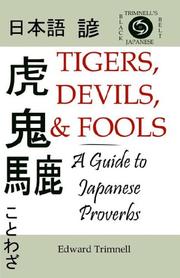
2004. Edward P. Trimnell, Tigers, Devils, and Fools. P. 131: "The youth quickly ages, and knowledge is difficult to acquire." [67]. Knowledge for 学 narrows the line: its word is learning, the study itself, of which knowledge is the fruit.
Today. JMdict gives study hard while you are young; boys grow old easily but getting learned is harder [20]. The equation with Art is long and life is short stands in ことわざを知る辞典 [1]. It is a looser match than it looks: Art is long sets the length of an art against the shortness of a life, and the Japanese line sets the speed of youth against the slowness of learning. None of the dictionaries and proverb books above names a poet or gives the quatrain.
A reading
I read the poem as a Zen monk's verse for a study, and I sign it to Kanchū Chūtei. Both monks belonged to Shōkokuji, the older as its abbot [21][27]. A poet's own collection is a better witness to who wrote a poem than an anthology gathered two centuries after him, whose compilers, as Asakura showed, set poems under wrong names; and the younger monk under whose name the anthology sets it kept notebooks of the older monk's verse [3]. What the two witnesses do not settle is the third line. Kanchū's has the plain on the pillow, not yet woken from the dream of fragrant grass; every other witness has not yet woken from the dream by the pond, which brings in Xie Lingyun's dream line and makes the poem [3][4][12]. Whose line that is, I do not know, and I think it the better line. The first two lines tell the student what the study is for; the last two show it, a young man still in the dream of spring, and autumn already sounding in the leaves by the steps.
The 寄小人 is the same verse with a joke in its title. The collection sets it just before a poem to a temple boy, the dictionary records 少年 in the sense of a boy loved by a man, and the monk 古柏 makes the same joke openly, the rosy face that will be bearded next year [5][11]. The text itself does not change. Its manuscripts end in 声, like the study verse, and nothing in them turns the sound of autumn into the color of autumn; a reading that leans on 色 leans on a printer's character [5][6][3]. I read it, with Yanase's later note and with Iwayama, as the study verse borrowed for a joke [2][24].
Zhu Xi did not write it. His name was on it in Japan before Meiji, among the people who said the poem aloud, as Tomokiyo records, and in 1860 the poem itself was carried on a paper in a dead man's pocket; from 1882 a song and then a schoolbook taught it under his name [7][38][42][9]. That name is part of the line's story, and for a century of Japanese students the line has been Zhu Xi's 偶成. I sign the poem to Kanchū and hold the name as the reading the line has lived by. Signed, 典.
Notes
春草 and 芳草. Kanchū's collection, the 翰林五鳳集, the 寄小人 and Oyamada Tomokiyo's copy of it have fragrant grass, 芳草, 芳艸, 芳屮 or 芳中 [3][4][5][6][7]. Yanase took 春草 for a Meiji editor's correction toward Xie Lingyun's 池塘生春草 [29]; the paper copied in 1860 has 春艸 and the prints of 1882 have 春草, and the 1890s used both [38][8][42][50][49].
已 and 既. Every witness read for this history writes 已, already, in the fourth line except a children's magazine of 1893 and the anthology of 1890, which print 既 [48][47]. 日国 quotes the line with 既 [1]. The two are one word.
堦 and 階. 堦, with the earth radical, stands in Kanchū's poem as Asakura prints it, in both 滑稽詩文 manuscripts, in Tomokiyo's manuscript and on the paper copied in 1860; 階 in the 翰林五鳳集 manuscripts and the prints after 1882 [3][5][6][7][38][4][8]. They are one word, steps.
學 and 業. The crib of 1888 and the maxims of 1900 write 業難成, one's work is hard to complete, for 學難成 [9][51].
Japanese Scrolls by Master Calligrapher Eri Takase


Sources not seen
岩山泰三, 「五山の中の「少年易老」詩」, 『文学』 (岩波書店) 11(1), 2010, pp. 172–185 (CiNii, https://cir.nii.ac.jp/crid/1522543654675369728). The author's second study of the poem among the Gozan monks, known here from its catalogue record; it could change what the history says of the Gozan witnesses and of who first tied the 松屋筆記 entry to the poem.
朝倉和, 「「少年老い易く学成り難し」詩の作者と解釈について:「詩の総集」収載の意味するところ」, 『日本語学』 (明治書院) 35(10), 2016, pp. 34–45 (CiNii, https://cir.nii.ac.jp/crid/1523106605547799424). Asakura's later study of the authorship and of what an anthology's inclusion means, known here from its catalogue record; it could change the reading signed here.
梶谷宗忍, 『觀中録 ; 青嶂集』, 相国寺, 1973 (CiNii, https://cir.nii.ac.jp/crid/1971149384767709588), and the 1914 transcription of the 青嶂集 at the Historiographical Institute of the University of Tokyo. Known here through Asakura's quotation; they would settle the text of 「進学斎」 at its page.
『続群書類従』 第33輯下, 続群書類従完成会, 1928, the 滑稽詩文 (National Diet Library, https://dl.ndl.go.jp/pid/1078091, in-library). Known here through Asakura's quotation; it would show at its page how the print sets the 寄小人's last character.
國語漢文研究會 編, 簡野道明 校訂, 『新編漢文教科書』, 明治書院, 1905 (CiNii Books, https://ci.nii.ac.jp/ncid/BA64234570). Known here through its teacher's manual of 1904 and its crib of 1911; it would show the 偶成 of the third volume as the textbook prints it.
A reader with access to any of these is invited to write to Takase Studios at Tim@Takase.com.
References
- 「少年老い易く学成り難し」, デジタル大辞泉, 精選版 日本国語大辞典, 故事成語を知る辞典 and ことわざを知る辞典, at kotobank. https://kotobank.jp/word/少年老い易く学成り難し-532875
- 柳瀬喜代志, 「いわゆる朱子の「少年老い易く學成り難し」(「偶成」詩)考」, in 柳瀬喜代志, 『日中古典文學論考』, 1999, with its closing note (first printed in 『文学』 57(2), 1989) (snippet view, National Diet Library). https://dl.ndl.go.jp/pid/14073171
- 朝倉和, 「「少年老い易く学成り難し」詩の作者は観中中諦か」, 『国文学攷』 185, 広島大学国語国文学会, 2005, pp. 27–39 (pp. 28, 29 and 31), at the 広島大学 repository. https://hiroshima.repo.nii.ac.jp/records/2022552
- 『翰林五鳳集』, manuscript, 20 冊 (call no. 241-1), 冊 13, scan 69 (丁66表), at the National Diet Library. https://dl.ndl.go.jp/pid/14671579/1/69
- 『滑稽詩文』, manuscript (続群書類従 巻981), 東京図書館 stamp (call no. わ919-24), scans 7 and 32, at the National Diet Library. https://dl.ndl.go.jp/pid/13589550/1/7
- 『滑稽詩文』, manuscript (続群書類従 巻981), 宮内庁書陵部 (microfilm 020-0146-001-0937), canvases 6, 7 and 27, at the 国書データベース. https://kokusho.nijl.ac.jp/biblio/100045352
- 小山田与清, 『松屋筆記』 巻66, manuscript (call no. 丑-60), scans 76–77 (folio 69), §81, at the National Diet Library. https://dl.ndl.go.jp/pid/2574508/1/77
- 佐藤元萇, 『感詠一貫』 2編 巻上, 1882, scan 29, at the National Diet Library. https://dl.ndl.go.jp/pid/893493/1/29
- 元木貞雄 編, 『高等小学読本字引』, 1888, p. 66 (巻四 第三課), scan 38, at the National Diet Library. https://dl.ndl.go.jp/pid/868047/1/38
- 「一寸の光陰軽んずべからず」, 故事成語を知る辞典 and ことわざを知る辞典, at kotobank. https://kotobank.jp/word/一寸の光陰軽んずべからず-434278
- 「少年」, 精選版 日本国語大辞典, at kotobank. https://kotobank.jp/word/少年-532874
- 『文選』 卷22, 謝靈運 「登池上樓」, at Wikisource (Chinese). https://zh.wikisource.org/wiki/昭明文選/卷22
- 『南史』 卷19, 謝惠連 傳, at Wikisource (Chinese). https://zh.wikisource.org/wiki/南史/卷19
- Saitō Hidesaburō, Saito's Idiomological English-Japanese Dictionary, S.E.G. Publishing Department, 1915, pp. 602 and 1592 (scans 620 and 1610), at HathiTrust, https://babel.hathitrust.org/cgi/pt?id=hvd.32044086539269&seq=1610; read at the page in the printing of 1918, scans 309 and 804, at the National Diet Library. https://dl.ndl.go.jp/pid/1681530/1/804
- William Shakespeare, Twelfth Night, act II, scene iii, at Project Gutenberg. https://www.gutenberg.org/ebooks/1526
- Takenobu Yoshitarō, general editor, Kenkyusha's New Japanese-English Dictionary, American edition, Harvard University Press, 1942, photolithographed from the printing of 1939, p. 1749, read on the house's shelf; at the Internet Archive. https://archive.org/details/kenkyushasnewjap0000take_m0v7
- Kenkyusha's New Japanese-English Dictionary, Kenkyūsha, 1954, s.v. shōnen (the Internet Archive's full-text search). https://archive.org/details/kenkyushasnewjap0000unse_h0k7
- Okada Rokuo, Japanese Proverbs and Proverbial Phrases, Tourist Library 20, Japan Travel Bureau, second edition, 1958, p. 147, read on the house's shelf; at the Internet Archive. https://archive.org/details/bwb_O9-AQS-312
- Daniel Crump Buchanan, Japanese Proverbs and Sayings, University of Oklahoma Press, 1965, p. 148, read on the house's shelf; at the Internet Archive. https://archive.org/details/japaneseproverbs00buch
- JMdict, entry 2165330, 少年老い易く学成り難し, as served at jisho.org. https://jisho.org/word/少年老い易く学成り難し
- 「観中中諦」, デジタル版 日本人名大辞典+Plus, at kotobank. https://kotobank.jp/word/観中中諦-1068508
- 「翰林五鳳集」, ブリタニカ国際大百科事典 小項目事典, at kotobank. https://kotobank.jp/word/翰林五鳳集-49771
- 崇伝, 『翰林五鳳集序』, 元和9 (1623), autograph, 宮内庁書陵部 (桂・1083), at the 国書データベース. https://kokusho.nijl.ac.jp/biblio/100371192
- 岩山泰三, 「「少年老い易く学成り難し…」とその作者について」, 『月刊しにか』 8(5), 大修館書店, 1997, pp. 94–99 (snippet view, National Diet Library). https://dl.ndl.go.jp/pid/4426001
- 『翰林五鳳集』, manuscript, 京都府立京都学・歴彩館 (貴538), canvas 1141 (巻37), at the 国書データベース. https://kokusho.nijl.ac.jp/biblio/100188140
- 仏書刊行会 編, 『大日本仏教全書』 145 (翰林五鳳集 2), 1922, p. 298, scan 154, at the National Diet Library. https://dl.ndl.go.jp/pid/952849/1/154
- 「惟肖得巌」, 日本大百科全書 (ニッポニカ) and デジタル版 日本人名大辞典+Plus, at kotobank. https://kotobank.jp/word/惟肖得巌-1053715
- 「続群書類従」, 精選版 日本国語大辞典, at kotobank. https://kotobank.jp/word/続群書類従-313540
- 柳瀬喜代志, 「教材・朱子の「少年老い易く学成り難し」詩の誕生」, in 大平浩哉 編, 『国語教育史に学ぶ』, 1997 (snippet view, National Diet Library). https://dl.ndl.go.jp/pid/14021435
- 呉秀三, 『シーボルト先生:其生涯及功業』, 1926, p. 99, scan 91, at the National Diet Library. https://dl.ndl.go.jp/pid/1874833/1/91
- 「高野長英」, at kotobank. https://kotobank.jp/word/高野長英-18864
- 「シーボルト」, 日本大百科全書 (ニッポニカ) and 百科事典マイペディア, at kotobank. https://kotobank.jp/word/しーぼると-3155162
- 「松屋筆記」, デジタル大辞泉 and 精選版 日本国語大辞典, at kotobank. https://kotobank.jp/word/松屋筆記-635027
- 小山田与清, 『松屋筆記』 第1, 国書刊行会, 1908, p. 481, scan 265, at the National Diet Library. https://dl.ndl.go.jp/pid/1087778/1/265
- 『日本随筆索引』, 1901, scan 151, at the National Diet Library. https://dl.ndl.go.jp/pid/992868/1/151
- 「桜田門外の変」, デジタル大辞泉, at kotobank. https://kotobank.jp/word/桜田門外の変-68811
- 『国史攬要』 (校正) 巻15–16, 1876, scan 10 (丁20), at the National Diet Library. https://dl.ndl.go.jp/pid/769436/1/10
- 小宮山昌玄 (南梁), 『南梁年録』, vol. 22, manuscript, scan 104, at the National Diet Library. https://dl.ndl.go.jp/pid/2577047/1/104
- 「小宮山南梁」, デジタル版 日本人名大辞典+Plus, at kotobank. https://kotobank.jp/word/小宮山南梁-1075981
- 花城可裕, 「朱熹の「偶成」詩と蔡温:『琉球詠詩』及び『伊呂波歌並詩文綴』所載の蔡温の漢詩について」, 『南島史学』 54, 1999, pp. 49–69 (snippet view, National Diet Library). https://dl.ndl.go.jp/pid/4419261
- 武谷次郎 編, 『学徒必携明治文鑑』 巻2, 1878, scan 25, at the National Diet Library. https://dl.ndl.go.jp/pid/865470/1/25
- 外山正一・矢田部良吉・井上哲次郎, 『新体詩抄』 初編, 1882, scans 30–31 (丁22), at the National Diet Library. https://dl.ndl.go.jp/pid/876377/1/30
- 「矢田部良吉」, デジタル大辞泉, at kotobank. https://kotobank.jp/word/矢田部良吉-143770
- 「朱熹」, デジタル大辞泉, at kotobank. https://kotobank.jp/word/朱熹-77570
- 『官報』, 28 May 1888 (snippet view, National Diet Library). https://dl.ndl.go.jp/pid/2944708
- 『高等小学読本字引』, 1891, pp. 72–73 (巻之四 第三課), scan 40, at the National Diet Library. https://dl.ndl.go.jp/pid/868036/1/40
- 松井柏軒 編, 『和漢名家詩集』, 1890, p. 299, scan 162, at the National Diet Library. https://dl.ndl.go.jp/pid/893314/1/162
- 『少國民』 第5年 (2), January 1893 (snippet view, National Diet Library). https://dl.ndl.go.jp/pid/1589233
- 『少年世界』 1(17), September 1895 (snippet view, National Diet Library). https://dl.ndl.go.jp/pid/1800848
- 『陽明学』 4(55), August 1898 (snippet view, National Diet Library). https://dl.ndl.go.jp/pid/1525546
- 足立栗園 編, 『格言集:和漢対照』, 開発社, 1900, p. 42, scan 26, at the National Diet Library. https://dl.ndl.go.jp/pid/754949/1/26
- 長尾松三郎 編, 『高等小学読本教授用書』 第4学年 後期, 鍾美堂, 1904, pp. 79 and 82–83, scans 45 and 47, at the National Diet Library. https://dl.ndl.go.jp/pid/901490/1/47
- 「偶成」, デジタル大辞泉 and 精選版 日本国語大辞典, at kotobank. https://kotobank.jp/word/偶成-482456
- 「簡野道明」, デジタル大辞泉, at kotobank. https://kotobank.jp/word/簡野道明-15978
- 国語漢文研究会 編, 『新編漢文教科書教授用書』, 三樹一平, December 1904, p. 44, scan 23, at the National Diet Library. https://dl.ndl.go.jp/pid/901604/1/23
- 『新編漢文教科書字引』, 1911, p. 150, scan 76, at the National Diet Library. https://dl.ndl.go.jp/pid/813954/1/76
- Julia Ching, Mysticism and Kingship in China: The Heart of Chinese Wisdom, Cambridge University Press, 1997 (the Internet Archive's full-text search). https://archive.org/details/mysticismkingshi0000chin
- Kanripo, 『晦菴先生朱文公文集』 (KR4d0226) and 『朱子語類』 (KR3a0047). https://github.com/kanripo/KR4d0226 · https://github.com/kanripo/KR3a0047
- Kanripo, 『性理大全書』 (KR3a0078). https://github.com/kanripo/KR3a0078
- Kanripo, 『聖祖仁皇帝御製文集』 (KR4f0001). https://github.com/kanripo/KR4f0001
- 『明心寶鑑』, 勸學篇第九, at Wikisource (Chinese). https://zh.wikisource.org/wiki/明心寶鑑
- 『新刊大字明心寶鑑』, 清州, 景泰5 (1454), 筑波大学附属図書館 copy, scans 33–35 and 68–69, at the 国書データベース. https://kokusho.nijl.ac.jp/biblio/100181980
- 『新鍥京板正譌音釋提頭大字明心寶鑑正文』, 寛永8 (1631), canvases 24–26, at the 国書データベース. https://kokusho.nijl.ac.jp/biblio/200021488
- 成海俊, 『日本における「明心宝鑑」受容の思想史的研究』, 1999 (snippet view, National Diet Library). https://dl.ndl.go.jp/pid/3149770
- CBETA full-text search, 少年易老 (one hit, 蓮修起信錄, X62 no. 1204, p. 696b13), run 12 October 2026. https://cbdata.dila.edu.tw/stable/search?q=少年易老
- Leonard Feinberg, comp., Asian Laughter: An Anthology of Oriental Satire and Humor, 1971 (the Internet Archive's full-text search). https://archive.org/details/asianlaughterant0000fein
- Edward P. Trimnell, Tigers, Devils, and Fools: A Guide to Japanese Proverbs, Beechmont Crest, 2004, p. 131, read on the house's shelf.
Books Cited
Books this article cites that can be ordered today.