

殺人剣 satsujinken Life Taking Sword
殺人剣 (satsujinken), the sword that kills, is the first half of the Zen saying 殺人刀活人剣. The saying is already a proverb in the 景徳伝灯録 of 1004, and the old books mostly write this half with 刀. This study follows the rarer 剣 form from a Japanese Zen master's sermons of 1281 to the headword of today's dictionaries.

Abstract
殺人剣, satsujinken, the sword that kills, is the first half of a six-character Zen saying, 殺人刀活人剣, the sword that kills, the sword that gives life. The pair is already a proverb among Chan masters in the 景徳伝灯録 of 1004, and the 碧巌録 of 1125 called it the rule of high antiquity; it came to Japan with Zen in the thirteenth century. The saying usually writes this half 殺人刀, with 刀, the single-edged blade: so the canon in most texts, the Zen masters who brought it to Japan, the Japanese warriors of the sixteenth century, and Yagyū Munenori 柳生宗矩, who in 1632 made it the name of a book of his 兵法家伝書. The form with 剣, 殺人剣, is the rarer one in the old books, found in Japan first in the sermons of the Zen master Kōhō Kennichi 高峰顕日 from 1281, and it is the headword of the modern dictionaries.
Overview
The text. 殺人剣, three characters: 殺, to kill; 人, a person; 剣, the double-edged straight sword of the Chinese books and the word Japanese uses for the sword as an art. 殺人 is 人を殺すこと, killing a person [1]. The saying's own word for this half is mostly 殺人刀, with 刀, the single-edged blade a warrior wore. The CBETA search finds 殺人刀 in 382 texts of the Chinese canon and 殺人劍 in 19, and in five of those the blades are exchanged across the whole saying, 殺人劍活人刀 [2]. SAT's Taishō, which holds the records of the first Zen masters in Japan, has 殺人刀 and no 殺人劍 [3]. The modern dictionaries head both: デジタル大辞泉 gives 殺人剣 satsujinken, 人を殺すために使う剣, a sword used to kill people, and sends the reader to 殺人刀 setsunintō; the 日本国語大辞典 does the same [4][5].
The sense. Inside the pair the killing half has been read three ways. In the Zen books it is what a teacher takes away: the 1915 Zen dictionary says 殺は消極、掃蕩、把住の意, killing is the negative: sweeping away, holding fast [6]. In Yagyū's book it is the sword that brings a disordered world to order, and so becomes the sword that gives life [7]. In the sword schools it is technical: Karl Friday glosses 殺人刀 swordsmanship that transfixes, or swordsmanship that kills response [8], and the Yagyū tradition, in Hiroaki Sato's English, calls the sword held in an attacking stance the death-dealing blade [9]. Minoru Kiyota names a fourth as the popular one, in a sentence that begins Popularly, katsujin-ken and satsujin-ken are interpreted as the employment of the sword for worthy … [10]. Outside the saying the word stands alone for whatever does harm: an Edo physician in 1810 calls a harsh remedy given for the wrong illness 殺人劍 [11].
The words. Read as a Japanese word 殺人剣 is satsujinken; the Zen pair and Yagyū's book read the killing half setsunintō, in the Go-on the sutras keep, and the 日本国語大辞典 heads the six characters せつにんとうかつにんけん [12][13]. Both readings are in the dictionaries.
The text in English. The sword of homicide is Mochizuki Kotarō's of 1910, in a book printed in Tokyo for the Anglo-Japanese Exhibition in London; the sword that kills the man is Nyogen Senzaki and Paul Reps's of 1934; the sword that kills is D. T. Suzuki's of 1959 and R. H. Blyth's of 1964; the sword which kills men is R. D. M. Shaw's of 1961; a death-dealer and a death-dealing blade are Blyth's of 1966 and Katsuki Sekida's of 1977 [14][15][16][17][18][19][20]. The Clearys' 1977 Blue Cliff Record has the sword that kills people and, at the fifteenth case, the single-edged sword that kills people; Sato's 兵法家伝書 of 1985 calls the book The Death-Dealing Blade; Thomas Cleary's of 2005, The Killing Sword. JMdict gives life-taking sword; sword used to kill [21][9][22][23].
The historical record
1004. The 景徳伝灯録, the record of the Chan lineages. The pair is already a proverb among the masters of the ninth century as the record remembers them. 夾山 says of 石霜, 石霜雖有殺人刀。且無活人劍, Shishuang has the sword that kills, but not yet the sword that gives life; a monk asks 清平 what is the sword that gives life? and is told do you understand?, asks what is the sword that kills? and is shouted at. The two swords are two things a teacher does [24].
Before 1052. Setchō Jūken 雪竇重顕 (Xuedou Chongxian), whose hundred cases became the Blue Cliff Record. 殺人刀,活人劍,具眼底辯取, the sword that kills, the sword that gives life: let those with eyes tell them apart [25].
1125. Engo Kokugon 圜悟克勤 (Yuanwu Keqin, 1063–1135), the 碧巌録. The book that fixed the phrase. Two cases open with it, in the sentence the Japanese dictionaries quote: 殺人刀活人劍。乃上古之風規。亦今時之樞要。若論殺也。不傷一毫。若論活也。喪身失命, the sword that kills, the sword that gives life: the rule of high antiquity and the pivot of the present day. Speaking of killing, not a hair is harmed; speaking of giving life, body and life are lost. In the thirty-first case a monk circles two masters' seats shaking his staff, and one says yes, yes, the other no, no, and both add 殺人刀活人劍。須是本分宗師, the sword that kills and the sword that gives life: for that you must be a master in your own right. Engo's marginal comments reach for it three times more [26].
The Song to the Qing. The blade exchanged. The Song monk 惠洪's 禪林僧寶傳 already writes the killing half with 劍: of the founder of the Han it says 漢高無殺人劍, Gaozu of Han had no sword that kills [27]. Later records exchange the blades across the whole saying: a Qing anthology quotes 可惜馬師有殺人劍,無活人刀, a pity that Master Ma had the sword that kills and not the blade that gives life [28]. Against the 382 texts that write 殺人刀, these are a minority, and one of the five that exchange the blades is a Japanese master's (below) [2]. Wanshi Shōgaku 宏智正覚 (Hongzhi Zhengjue) keeps 刀 and reverses the halves in verse, 活人劍殺人刀; Mittan Kanketsu 密庵咸傑 (Mi'an Xianjie) has a master 秉殺人刀活人劍, wielding the two [29][30].
1228. Mumon Ekai 無門慧開 (Wumen Huikai), the 無門関. The eleventh case, Jōshū Jūshin 趙州従諗 (Zhaozhou Congshen) testing two hermits, closes with a verse of four three-character lines: 眼流星 機掣電 殺人刀 活人劍, eye a shooting star, working a lightning flash, the sword that kills, the sword that gives life [31].
1253 to 1298. The first Zen houses in Japan. The saying came to Japan in the sermons of the masters who founded Zen there, and they write this half with 刀. Lanxi Daolong 蘭渓道隆 (1213–1278), who came from Song China in 1246 and opened Kenchō-ji in Kamakura in 1253, preached with his staff: 豎起拄杖殺人刀。横按拄杖活人劍, the staff held upright, the sword that kills; laid across, the sword that gives life [32][33]. Enni 円爾 (1202–1280), at Tōfuku-ji in Kyoto, closed a winter sermon with Setchō's line, 殺人刀。活人劍具眼底辨取 [34]. Hakuun Egyō 白雲慧暁 (1223–1298), the fourth abbot of Tōfuku-ji, split the pair between two hands: 殺人刀須在黄檗手裡。活人劍還歸東福掌握, the sword that kills must stay in Huangbo's hand; the sword that gives life comes back into Tōfuku's grasp [35][33].
From 1281. Kōhō Kennichi 高峰顕日 at Unganji. Kōhō Kennichi (1241–1316), a son of the emperor Go-Saga, founded Unganji, in the mountains of Nasu in Shimotsuke, and received the dharma of Mugaku Sogen 無学祖元, the master from Song China [36]. His record, the 佛國禪師語錄, named for his posthumous title, opens on the day in 1281 when Mugaku gave him a robe at Kenchō-ji, and goes on with his sermons at Unganji, compiled by his attendant 妙環; 清拙正澄's preface to its dialogues is dated 1326. Among them: 上堂。殺人須是殺人劍,活人須是活人刀。拈丈云,者箇是殺人劍活人刀,不是張華眼徒窺射斗光, in the hall: to kill, it must be the sword that kills; to give life, it must be the blade that gives life. Raising his staff, he said: this is the sword that kills, the blade that gives life, not the light shooting up at the Dipper that Zhang Hua's eye peered at in vain [37]. The Japanese print of 1664 has the passage in the same words, the blade written 劔 [38]. CBETA catalogues the record under the Yuan, with the byline of his teacher 無學 [37]. Of the Japanese texts that CBETA, SAT and the National Diet Library's full text return for 殺人劍, it is the oldest, and it writes the killing half as the scroll brushes it.
The fifteenth century. Tōyō Eichō 東陽英朝's 禅林句集. The Japanese anthology of Zen phrases lists 殺人刀活人劔 among the six-character sayings, with its two addresses, 碧岩垂示第十二 and 無門十一則, and gives the pair as a couplet of two figures, 文殊提起殺人刀 淨名抽出活人劍, Monju holds up the sword that kills; Jōmyō, that is Vimalakīrti, draws the sword that gives life [39]. A Taishō edition with Japanese readings prints the same couplet [40].
Late Muromachi. The ballad 満仲. The dictionary's first Japanese citation of the pair is a 幸若 ballad: 殺人刀活人剣、みな一念のうちなり, the sword that kills, the sword that gives life, all within one thought [12].
1558. Takeda Nobushige 武田信繁's ninety-nine articles. The oldest dated warrior's use is a house rule, and it writes 刀. Among the ninety-nine articles Shingen's brother wrote for his son, dated by their colophon to the first year of Eiroku and transmitted in the 甲陽軍鑑, the article that a samurai must never be without his sword, even lying with his wife, is glossed with the Zen line: 縱ヒ雖在夫婦一所、聊タ不可忘刀ヲ事 云 殺人刀活人劔 [41][42].
1580 to 1592. The 別所長治記. A captain shouts it as he charges, again with 刀: 小八郎聞モアヘス殺人刀活人劔ト云拾無是非掛イリ給フ, Kohachirō, hearing him out no further, cried "the sword that kills, the sword that gives life!" and charged in [43].
1603. The Jesuits' dictionary. The 日本国語大辞典, defining 殺人刀 as 人を殺すための刀, a blade for killing people, cites it from the 日葡辞書, the Jesuits' Japanese-Portuguese dictionary of 1603–04 [5].
1632. Yagyū Munenori 柳生宗矩, the 兵法家伝書. The shōgun's sword-master made the two halves the names of two books of his family's text, the two his colophon calls 此卷上下, these books, upper and lower (the encyclopedia counts three books, with 進履橋 before them [13]), and in the colophon dated the ninth month of 1632 said why: 此卷上下を殺人刀活人劔と名たる心は、人をころす刀、却て人をいかすつるぎ也、とは夫亂たる世には、故なき者多く死するなり、亂たる世を治める爲に殺人刀を用ひ、巳に治る時は殺人刀を卽て活人劔ならずや、是を以所名付也, the meaning of naming these two books "the sword that kills" and "the sword that gives life" is that the sword that kills people is, on the contrary, the sword that gives them life. In a world in disorder many die for no cause; to bring order to a disordered world the killing sword is used, and once order is made, is not the killing sword then the sword that gives life? That is why they are so named. The preface had already argued it from the Chinese maxim that weapons are instruments of ill omen: 一人の惡に依て萬人苦む事あり、しかるに一人の惡をころして、万人をいかす是等誠に人をころす刀は、人をいかすつるぎなるべきにや, because of one man's evil ten thousand suffer; to kill that one evil man and give life to ten thousand: is not the sword that kills people truly the sword that gives them life? And the body: 兵法は人をきるとばかりおもふはひが事也、人をきるにはあらず、惡をころす也, to think the art of the sword is only cutting people down is a mistake; it does not cut people, it kills evil [7]. The 日本大百科全書 reads the book's two titles 殺人刀 setsunintō and 活人剱 katsuninken [13].
1810. A physician's warning. The Edo physician 小川顕道 (Ogawa Akimichi, 1737–1816), who ran the city's charity hospital at Koishikawa, published a book on the treatment of the pox in 1810. Of harsh remedies, mercury, blue vitriol, croton and the like, he writes that each has its uses, but given where it does not fit the illness it does great harm to the patient's strength: 實に殺人劍ともいふべし, truly it may be called a sword that kills people, the word read さつじんけん beside the characters [11][44]. The half stands alone here, outside the saying, as a figure for harm.
Before 1840. A story told of Tsukahara Bokuden 塚原卜伝. Of the swordsman Tsukahara Bokuden (1489–1571) the 日本大百科全書 says that his life is known mostly from hearsay [45]. The Mito scholar 小宮山楓軒 (Komiyama Fūken, 1764–1840), in his manuscript 垂統大記, retells, citing the 武芸小伝, how Bokuden, on a ferry, met a swordsman who boasted that he had no equal. Asked his method, Bokuden said winning without hands; asked what, then, his two swords were for, he said they were for cutting away evil thoughts; and when the man demanded a bout, he said 慎獨則活人劍,對虐則殺人劍, watchful over myself, the sword that gives life; against violence, the sword that kills. The man jumped ashore on an island to fight him, and Bokuden pushed the boat off with the pole and left him there [46][47]. The Ministry of Education's history of education printed the passage in 1892 under 刀術, marked as taken from the 垂統大記 [48]. In that telling the killing half is written with 劍, as 殺人剣 is. The 大日本野史 of 飯田忠彦, finished in 1851–52, tells the same crossing in its account of Bokuden and writes the half with 刀: 我心性利劍。乃禪家所謂活人劍也。對之者暴惡。則變爲殺人刀, the keen sword of my mind and nature is what the Zen school calls the sword that gives life; against one who is violent and evil it becomes the sword that kills [49][50].
1830. 安西於菟, on a tea-room scroll. A connoisseur of calligraphy tells of visiting a house where a one-line scroll hung in the tea room reading 人刀活人劔, five characters, mounted in brocade with a certificate from an old-calligraphy appraiser, and the host said 武士は人を活す為に帯刀するとはよき悟りなり, that a samurai wears his sword to give people life is a fine insight. The author saw what had happened: a monk had brushed the six characters, and a dealer had cut off the 殺, because tea people abhor the word for killing, 殺人刀活人剣の妙語を損壊したる大ひなる罪なるべし, a great crime, to have wrecked the marvelous phrase [51].
1915. Yamada Kōdō 山田孝道's 禅宗辞典. The Zen dictionary heads the pair セツニンタウ クワツニンケン, 殺人刀活人劒: 師家の學人を接する自由の妙用を刀劍を假りて示す。殺は消極、掃蕩、把住の意。活は積極、扶起、放行の意, the master's free working in receiving a student, figured as a sword: killing is the negative, sweeping away, holding fast; giving life the positive, raising up, letting go, with the 碧巌録's twelfth case quoted; and elsewhere the pair as the first two of the seven things a Rinzai monk carries on him [6].
The dictionaries today. The 日本国語大辞典: 殺人剣, 人を殺すことを目的として用いる剣。殺人刀, a sword used with the aim of killing; 殺人刀; and the six characters together, 禅で、妄情を断ち切る禅者のはたらきを刀剣にたとえていう, in Zen, the working of the Zen man who cuts off deluded feeling, figured as a sword [4][12].
What is not a source. Takuan Sōhō 沢庵宗彭's 不動智神妙録, which the encyclopedias set beside Yagyū's book, does not use either word; the two names are Yagyū's own borrowing from the 碧巌録 and the 無門関. The kendo and aikido books that carry the pair are reception, not sources.
The half in English
1910. Mochizuki Kotarō, Japan To-day, Liberal News Agency, Tokyo. A souvenir of the Anglo-Japanese Exhibition held in London that year, by a former member of the Diet who had studied in London [14][52]. On fencing: Homicide is not the object of fencing … Therefore two have such expressions as the Satsujin-ken (or the sword of homicide) and the Kwatsujin-ken (or the sword of life). The former is said in reference to the destruction of the evils and wickedness while the latter to protection of righteousness and good [14].
1934. Nyogen Senzaki and Paul Reps, The Gateless Gate, John Murray, Los Angeles. The 無門関's eleventh verse, which reads the two swords as one: The sword that kills the man / Is the sword that saves the man. The translation is reprinted in Reps's Zen Flesh, Zen Bones (Tuttle, 1957), which gives the first publication [15].
1959. D. T. Suzuki, Zen and Japanese Culture. The art of swordsmanship distinguishes between the sword that kills and the sword that gives life; and of Yagyū's book, (1) "The sword that kills," (2) "The sword that gives life," and (3) "The sword of no-sword" [16].
1961. R. D. M. Shaw, The Blue Cliff Records, Michael Joseph. The earliest English 碧巌録 in the Internet Archive's catalogue: the sword which kills men, the dagger which gives life to men [17].
1964 and 1966. R. H. Blyth, Zen and Zen Classics, Hokuseidō. In the preface to the second volume, In Zen this double activity is known as "the sword that kills, and the sword that makes alive" [18]; in the fourth, the 無門関's eleventh verse, He is a death-dealer, A life-giving sword [19].
1977. Katsuki Sekida, Two Zen Classics, Weatherhill. The same verse: A death-dealing blade, A life-giving sword [20].
1977. Thomas and J. C. Cleary, The Blue Cliff Record, Shambhala. The sword that kills people, the sword that brings people to life: this is the standard way of high antiquity, and at the fifteenth case the single-edged sword that kills people, the double-edged sword that brings people to life, which reads 刀 and 劍 as two kinds of blade [21].
1985. Hiroaki Sato, The Sword and the Mind, Overlook Press (Barnes & Noble printing, 2004). The book is The Death-Dealing Blade, read setsuninto; Muneyoshi's definition: In our school the sword that is positioned for attack is called the death-dealing blade, and the sword that is not, the life-giving sword; and Yagyū's explanation: A blade that kills people is in truth a sword that allows them to live [9].
1991. Stanley A. Pranin, The Aiki News Encyclopedia of Aikido, Aiki News, p. 97. SATSUJINKEN. Killing sword. See KATSUJINKEN. [53]
1997. Karl F. Friday, Legacies of the Sword, University of Hawai'i Press. setsunin-to, swordsmanship that transfixes, or swordsmanship that kills response; and the two terms derive from Buddhist allegory [8].
2002. Minoru Kiyota, The Shambhala Guide to Kendo. the "death-rendering sword" (satsujin-ken), and Popularly, katsujin-ken and satsujin-ken are interpreted as the employment of the sword for worthy … [10].
2003. Victor Sōgen Hori, Zen Sand, University of Hawai'i Press. Entry 6.147, Setsunintō katsuninken. The blade that kills, the "sword" that brings to life, and the couplet as 14.675, Manjusri holds aloft the "sword" that slays people [54].
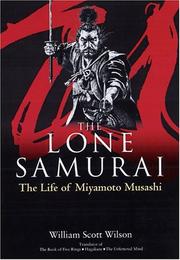
2003 and 2004. William Scott Wilson, The Life-Giving Sword, Kodansha International, and The Lone Samurai. The Shambhala printing of 2012 prints the kanji: every time the sword is in stance, it is called the Death-Dealing Sword, with satsuninto 殺人刀 in the translator's bracket; the biography, the "death-dealing sword" and the "life-giving sword" [55].
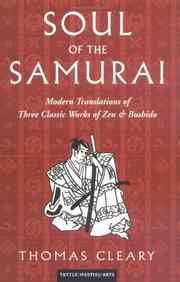
2005. Thomas Cleary, Soul of the Samurai, Tuttle. Book 1 is The Killing Sword; and "The sword that kills is the sword that gives life" is a Zen expression. In Zen literature it is never employed as Yagyu uses it here, to refer to actual killing [22].
2006. William Scott Wilson (tr.), The Demon's Sermon on the Martial Arts, Shambhala. if the sword is held in a stance, it is called the Death-dealing sword, or sat-sujin-to [56].
Today. JMdict: 殺人剣, life-taking sword; sword used to kill; 殺人刀, (killing) sword; blade; steel [23]. Of the English books above, Mochizuki, Pranin and Kiyota romanize the modern word, satsujin-ken or satsujinken; Sato, Friday, Hori and Wilson give the saying's 殺人刀. The sword of homicide, the sword that kills, killing sword, death-dealing and death-rendering are the translators' words; life-taking is JMdict's. A rendering of the half keeps it a half: 殺人剣 is answered by 活人剣.
A reading
The killing half is the harder one to read alone, and the saying is what gives it its meaning: what a Zen teacher takes from a student, the sword Yagyū says ends disorder, the first stroke of the sword schools. None of the old readings is a sword for its own sake. On the form, the tradition's usual word is 殺人刀, and 殺人剣 is neither a mistake nor new: the canon has it in a minority of texts, Kōhō Kennichi preached it in Nasu in the thirteenth century, one telling of the Bokuden story has it and another has 刀, and the dictionaries made it the headword. Alone, it has also been a plain figure for harm, as in the physician's warning of 1810. The phrase's force is in the pair; this half is the question the other answers.
References
- 「殺人」, デジタル大辞泉・精選版日本国語大辞典, at kotobank. https://kotobank.jp/word/殺人-511093
- CBETA full-text search, searched again 26 September 2026: 殺人刀活人劍 in 128 texts, 殺人刀 in 382, 活人劍 in 241, 殺人劍 in 19, 殺人劍活人刀 in 5. https://cbdata.dila.edu.tw/stable/search?q=殺人刀活人劍
- SAT Daizōkyō Text Database, searched 1 October 2026: 殺人劍 (with 劔 and 剣), 0 hits; 殺人刀, 63; 殺人刀活人劍, 31. https://21dzk.l.u-tokyo.ac.jp/SAT/ddb-sat2.php?key=殺人劍&mode=search&lim=100
- 「殺人剣」, デジタル大辞泉・精選版日本国語大辞典, at kotobank. https://kotobank.jp/word/殺人剣-511096
- 「殺人刀」, デジタル大辞泉・精選版日本国語大辞典, at kotobank. https://kotobank.jp/word/殺人刀-548440
- 山田孝道, 『禅宗辞典』, 光融館, 1915. National Diet Library pid 936741, scans 253, 306 and 431. https://dl.ndl.go.jp/pid/936741/1/431
- 柳生宗矩, 『兵法家伝書』, in 福井久蔵 編, 『秘籍大名文庫』, 第2, 厚生閣, 1937. National Diet Library pid 1074542, scans 4, 10, 11 and 39. https://dl.ndl.go.jp/pid/1074542/1/39
- Karl F. Friday, Legacies of the Sword, University of Hawai'i Press, 1997. Internet Archive legaciesofswordk0000frid. https://archive.org/details/legaciesofswordk0000frid
- Hiroaki Sato (tr.), The Sword and the Mind, Overlook Press, 1985; Barnes & Noble printing, New York, 2004, p. 50 and the second and third books. Also Internet Archive swordmindclassic0000yagy. https://archive.org/details/swordmindclassic0000yagy
- Minoru Kiyota, The Shambhala Guide to Kendo, 2002. Internet Archive shambhalaguideto00mino. https://archive.org/details/shambhalaguideto00mino
- 小川顕道 (已疎齋), 『瘡家示訓』, 須原屋文五郎 · 中村屋善藏, 1810 (文化7). National Diet Library pid 2539459, scan 17. https://dl.ndl.go.jp/pid/2539459/1/17
- 「殺人刀活人剣」, デジタル大辞泉・精選版日本国語大辞典, at kotobank. https://kotobank.jp/word/殺人刀活人剣-548441
- 「兵法家伝書」, 日本大百科全書 (ニッポニカ), 渡邉一郎, at kotobank. https://kotobank.jp/word/兵法家伝書-1589673
- Mochizuki Kotarō, Japan To-day: A Souvenir of the Anglo-Japanese Exhibition Held in London 1910, Liberal News Agency, Tokyo, 1910. Internet Archive japantodaysouven00mochrich. https://archive.org/details/japantodaysouven00mochrich
- Nyogen Senzaki and Paul Reps, The Gateless Gate, John Murray, Los Angeles, 1934; in Paul Reps, Zen Flesh, Zen Bones, Charles E. Tuttle, Tokyo, 1957 (first publication given on its contents pages), case 11. Internet Archive zenfleshzenbones0000unse_s9w2. https://archive.org/details/zenfleshzenbones0000unse_s9w2
- D. T. Suzuki, Zen and Japanese Culture, Bollingen Series 64, Pantheon Books, New York, 1959, pp. 145 and 151. Internet Archive in.gov.ignca.16794. https://archive.org/details/in.gov.ignca.16794
- R. D. M. Shaw, The Blue Cliff Records: The Hekigan Roku, Michael Joseph, London, 1961. Internet Archive bluecliffrecords0000yuan (full-text search). https://archive.org/details/bluecliffrecords0000yuan
- R. H. Blyth, Zen and Zen Classics, volume 2, Hokuseidō Press, Tokyo, 1964, Preface, p. ix.
- R. H. Blyth, Zen and Zen Classics, volume 4, Mumonkan, Hokuseidō Press, Tokyo, 1966, case 11.
- Katsuki Sekida, Two Zen Classics: Mumonkan and Hekiganroku, Weatherhill, New York, 1977, Mumonkan case 11, p. 52.
- Thomas and J. C. Cleary, The Blue Cliff Record, Shambhala, Boulder, 1977. Internet Archive bluecliffrecord10000yuan. https://archive.org/details/bluecliffrecord10000yuan
- Thomas Cleary, Soul of the Samurai, Tuttle, 2005. Internet Archive soulofsamurai0000unse. https://archive.org/details/soulofsamurai0000unse
- JMdict (EDRDG), entries 2773360 (殺人剣) and 2777220 (殺人刀), at jisho. https://jisho.org/search/殺人剣
- 『景徳伝灯録』. CBETA T51n2076, juan 16 and juan 23. https://cbdata.dila.edu.tw/stable/juans?work=T51n2076&juan=16
- 雪竇重顕, 『明覚禅師語録』. CBETA T47n1996, juan 3. https://cbdata.dila.edu.tw/stable/juans?work=T47n1996&juan=3
- 圜悟克勤, 『碧巌録』. CBETA T48n2003, juans 2, 4 and 6. https://cbdata.dila.edu.tw/stable/juans?work=T48n2003&juan=2
- 惠洪, 『禪林僧寶傳』. CBETA X1560, juan 22, column 0535b21. https://cbdata.dila.edu.tw/stable/juans?work=X1560&juan=22
- 淨符 編, 『宗門拈古彙集』. CBETA X1296, juan 12, column 0071a09. https://cbdata.dila.edu.tw/stable/juans?work=X1296&juan=12
- 宏智正覚, 『宏智禅師広録』. CBETA T48n2001, juans 2 and 3. https://cbdata.dila.edu.tw/stable/juans?work=T48n2001&juan=2
- 密庵咸傑, 『密庵和尚語録』. CBETA T47n1999, juan 1. https://cbdata.dila.edu.tw/stable/juans?work=T47n1999&juan=1
- 無門慧開, 『無門関』. CBETA T48n2005, juan 1. https://cbdata.dila.edu.tw/stable/juans?work=T48n2005&juan=1
- 蘭渓道隆, 『大覺禪師語録』, SAT T2547, vol. 80, p. 54c19–23. https://21dzk.l.u-tokyo.ac.jp/SAT/T2547_.80.0054c19:0054c23.cit
- 「蘭渓道隆」, 「建長寺」 and 「白雲慧暁」, デジタル大辞泉, at kotobank. https://kotobank.jp/word/蘭渓道隆-17903 · https://kotobank.jp/word/建長寺-60916 · https://kotobank.jp/word/白雲慧暁-113628
- 円爾, 『聖一国師語録』, 冬至小參, SAT T2544, vol. 80, p. 18c01–05; the 1675 print, National Diet Library pid 2537760, scan 10. https://21dzk.l.u-tokyo.ac.jp/SAT/T2544_.80.0018c01:0018c05.cit · https://dl.ndl.go.jp/pid/2537760/1/10
- 白雲慧暁, 『佛照禪師語録』, 半夏上堂, SAT T2546, vol. 80, p. 30b21–c03. https://21dzk.l.u-tokyo.ac.jp/SAT/T2546_.80.0030b21:0030c03.cit
- 「高峰顕日」 (日本大百科全書, 世界大百科事典) and 「雲巌寺」, at kotobank. https://kotobank.jp/word/高峰顕日-1074326 · https://kotobank.jp/word/雲巌寺-442528
- 高峰顕日, 『佛國禪師語錄』, 妙環 等 編, with 清拙正澄's preface of 1326 to its dialogues. CBETA D8948 (catalogued 元 釋無學撰), juan 1, columns 0001b01–04 (初住下野州東山雲巖禪寺語錄; 弘安四秊九月廿六日 at 建長寺) and 0008b03–04; juan 2, column 0074b07–08 (the preface's date). https://cbdata.dila.edu.tw/stable/juans?work=D8948&juan=1
- 高峰顕日, 『仏国録』, 妙環 編, 田原仁左衛門, 1664 (寛文4). National Diet Library pid 2537696, scan 12. https://dl.ndl.go.jp/pid/2537696/1/12
- 東陽英朝, 『禅林句集』, 1889 typeset. National Diet Library pid 899716, scans 4 and 44. https://dl.ndl.go.jp/pid/899716/1/4
- 山本峻岳 編, 『禅林句集和訓略解』, 光融館, 1925, p. 142.
- 武田信繁, ninety-nine articles, in 『甲陽軍鑑』, 温故堂, 1893. National Diet Library pid 899828, scan 14. https://dl.ndl.go.jp/pid/899828/1/14
- The same articles, an Edo manuscript of the 甲陽軍鑑. National Diet Library pid 1287447, scan 52. https://dl.ndl.go.jp/pid/1287447/1/52
- 塙保己一 編, 『武家名目抄』, in 『故実叢書』, 吉川弘文館, 1906, quoting 『別所長治記』 and 『室町殿物語』. National Diet Library pid 772001, scans 30, 55 and 56. https://dl.ndl.go.jp/pid/772001/1/56
- 「小川顕道」, デジタル版 日本人名大辞典+Plus, at kotobank. https://kotobank.jp/word/小川顕道-1062467
- 「塚原卜伝」, デジタル大辞泉・精選版日本国語大辞典・日本大百科全書 (ニッポニカ), at kotobank. https://kotobank.jp/word/塚原卜伝-99062
- 小宮山楓軒, 『垂統大記』, manuscript, volume 37, scan 39. National Diet Library pid 2560356. https://dl.ndl.go.jp/pid/2560356/1/39
- 「小宮山楓軒」, デジタル大辞泉・精選版日本国語大辞典, at kotobank. https://kotobank.jp/word/小宮山楓軒-504598
- 文部省 編, 『日本教育史資料』 〔9〕, 文部省, 1892, scan 272, under 刀術 (垂統大記抄). National Diet Library pid 809562. https://dl.ndl.go.jp/pid/809562/1/272
- 飯田忠彦, 『野史』, vol. 91, 国文社, 1882, the life of 塚原卜伝. National Diet Library pid 771838, scans 21 and 22. https://dl.ndl.go.jp/pid/771838/1/22
- 「大日本野史」, デジタル大辞泉・精選版日本国語大辞典, at kotobank. https://kotobank.jp/word/大日本野史-91840
- 安西於菟, 『近世名家書画談』, 二編, 1830. National Diet Library pid 2564850, scan 22. https://dl.ndl.go.jp/pid/2564850/1/22
- 「望月小太郎」, 20世紀日本人名事典, at kotobank. https://kotobank.jp/word/望月小太郎-1115259
- Stanley A. Pranin, The Aiki News Encyclopedia of Aikido, Aiki News, 1991, pp. 61 and 97.
- Victor Sōgen Hori, Zen Sand: The Book of Capping Phrases for Koan Practice, University of Hawai'i Press, Honolulu, 2003, entry 6.147 at p. 241 and entry 14.675 at p. 586.
- William Scott Wilson (tr.), The Life-Giving Sword, Kodansha International, 2003 (Shambhala printing, Boston, 2012, p. 145 note 1), and The Lone Samurai, Kodansha International, 2004. Internet Archive lonesamurailifeo0000wils. https://archive.org/details/lonesamurailifeo0000wils
- William Scott Wilson (tr.), The Demon's Sermon on the Martial Arts, Shambhala, Boston, 2006, p. 150 note 1.
Books Cited
Books this article cites that can be ordered today.
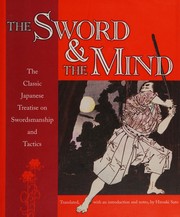
ISBN 0760765316
ISBN 0195092619
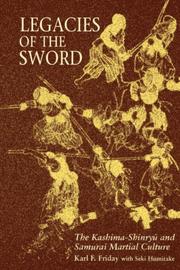
ISBN 0824818474
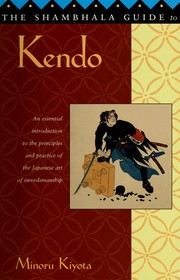
ISBN 1570629277
ISBN 477002942X
ISBN 0804836906