正勝吾勝 masakatsu agatsu True Victory is Victory Over Oneself
正勝吾勝 (masakatsu agatsu) is the motto of aikido, rendered true victory is victory over oneself. The four characters open a god's name in the 古事記 of 712, where they keep Susanoo's cry that he has won. This study follows the name through twelve centuries of commentary to Ueshiba Morihei, who made it his art's motto and gave it that sense.

Abstract
正勝吾勝 are the first four characters of 正勝吾勝勝速日天忍穂耳命, the name of the eldest of the five sons born in the oath-contest between Amaterasu and Susanoo in the 古事記 of 712, and at their source they preserve a cry: Susanoo's truly, I have won, which the 日本書紀 says in so many words was the father's exclamation fixed as the son's name. This study follows the name through the two chronicles and their commentators, a letter of Nichiren's that reads it as the sun goddess's claim on the child, a haikai verse of Bashō's circle that still hears the cry in it, an Edo encyclopedia's reading of it, and the Ōmoto exegesis that Ueshiba Morihei 植芝盛平, the founder of aikido, knew, to his adoption of the four characters as the motto of his art, and it sets out the English renderings from 1879 to today. It finds that Ueshiba coined neither the characters nor the voiced reading agatsu, which a typeset of 1903 prints for the god's name when he was twenty, and that what is his is the sense, that true victory is victory over oneself: his son and a student give it as his in his lifetime, from 1957, and his own book of 1938, in its English, already tells the reader to cut down the enemy lurking inside oneself, in a verse his son's textbook sets beside the motto. The maxim is a victory cry turned inside out.
Overview
The sense. The tradition holds one sense for twelve centuries and then a second, and the two do not compete, because they are not about the same thing. In the chronicles and in everything written from them, 正勝吾勝 is the opening of a name, and the name preserves a cry. Susanoo, having won the oath by bearing sons, boasts 自我勝云而, saying "I have won", and in the next line rages across his sister's rice fields in the elation of it [1]; the 日本書紀's third variant account has him exclaim 正哉吾勝 at the boy's birth and name the child from it [2]. Nichiren 日蓮, in a letter dated 1271, explains the name from the oath, as the sun goddess's claim on the child [3]; in a haikai sequence of the 1670s a verse of Matsuo Bashō 松尾芭蕉 names Susanoo and his companion Jishun 似春 caps it with 正哉勝勝双六に勝つ, truly, won, won: won at sugoroku [4]; and the commentators from Motoori Norinaga 本居宣長 to Nishimiya Kazutami 西宮一民 read it the same way. From Ueshiba Morihei onward, in aikido, the same four characters are a maxim about what winning is: 正勝, the right kind of victory, is 吾勝, victory over oneself, and 勝速日, the seven-character form's tail, is that victory won at once. His saying, as the 1990 compilation of his talks prints it and as the aikido world quotes it, is 真の武は、正勝、吾勝、勝速日であるから、いかなる場合にも絶対不敗である, true budō is masakatsu, agatsu, katsuhayabi, and is therefore undefeated in every case, with the gloss that to be undefeated is to contend with nothing and that to win is to defeat the contending mind in one's own heart [5][6][7]. He did not coin the characters; he read a teaching into a god's name, and his son says where he found it: 父盛平は古い言葉が好きで、『古事記』などからむずかしい言葉を見つけ出してきては, my father loved old words, and would dig difficult words out of the 古事記 and books like it [8].
The words. Four characters, two words repeated. 正 masa, right, true. 勝 katsu, to win. 吾 a, I, myself. 勝 katsu again. Read as the martial-arts world reads them, the characters say true victory, self victory. Read in the name they open, they say something else. The 日本書紀 itself gives the reading of 正勝 in an earlier passage, where the same two characters name a mountain god born from the fire god's corpse: 正勝此云麻娑柯 一云麻左柯豆, 正勝 is read masaka; one source says masakatsu, so the chronicle allows both an adverb, truly, and the two-word form the motto uses [9]. 吾勝 is a katsu, I have won; Iida Takesato 飯田武郷, quoting Norinaga, sends the reader to the 古事記's own line 自我勝云而 for the sense, and the leaf he prints carries the kana アカチヌト over those characters, the perfective a kachinu to, saying "I have won": the boast is read as a thing done [10]. 勝速日 katsuhayabi, the two characters that follow the motto's four, are glossed through the 古事記's next clause 於勝佐備, in the elation of victory: 速 swift, fierce, violent, 日 the -buru of ちはやぶる, so victory-raging. The rest of the name, 天忍穂耳, is about rice: Nishimiya's encyclopedia entry reads 忍 as an honorific of might and 穂耳 as the spirit of the rice ear, and calls the seven characters before it a 称辞, an epithet prefixed to the name proper [11]. The seven characters together are a shout and a title, not a maxim. The readings differ by book. The 古事記's name is read まさかつあかつかちはやひ and the 日本書紀's まさかあかつかちはやひ, both unvoiced [11]; the Ōmoto commentary of 1921 prints まさかあかつかつはやひ over the 古事記's characters [12]; and an Edo encyclopedia in its typeset of 1903 prints まさかつあがつかつのはやひ, with the 吾 voiced [13]. Aikido reads masakatsu agatsu katsuhayabi, and the aikido literature itself records the variance [14]. The 合気 of the art's own name is a word with a history of its own: what it meant to Ueshiba, the joining of one's ki with the ki of the universe, and what it had meant before him in the sword schools, a deadlock of two matched fighters that the swordsman must break, are set out in the study of that word [15]. The voicing was in the books before Ueshiba; the sense was not.
The text in English. The name entered English before the maxim did, and as a name: Satow romanized it in 1879, Masaka-akatsu-kachi-hayabi Ame no Oshi-ho-mi-mi no mikoto [16]; Chamberlain translated it in 1882, Truly-Conqueror-I-Conquer-Conquering-Swift-Heavenly-Great-Great-Ears [17]; and Aston in 1896, who romanized it and, in the third variant account, rendered the cry as speech, Truly I have won [18]. The maxim comes into English through the founder's son and his translators, and its reading changes as it comes: masa-ka a-ka, Truth is victorious; therefore I am victorious, in the Aikido of 1963 by Ueshiba Kisshōmaru 植芝吉祥丸, the founder's son, the earliest English rendering in any book read for this page, unvoiced, with masa-katsu a-katsu beside it in the index, translating a Japanese original of 1957 that reads the second word as winning over oneself [19][20]; masakatsu akatsu, by acting in accordance with the truth we always emerge victorious, in Stevens's first aikido book of 1984, unvoiced and with no self in it [21]; masakatsu agatsu from the 1985 revision of the son's book [22] and Stevens's True victory is self-victory of 1987 onward [23]; and the literal True victory is victory over oneself in Stevens's The Secrets of Aikido of 1995 [24]. Philippi's 1968 Kojiki and Heldt's of 2014 return the name to English as a name, Verily Winning I Have-won [25] and Truly Winning Have I Won [26], and JMdict enters the four characters as an aikido expression with the note that Ueshiba coined them [27].
The historical record
712. The 古事記, first book, the oath between Amaterasu and Susanoo; the birth of the first son. Susanoo has come up to the plain of heaven and his sister suspects him. To prove his heart they swear an oath and bear children from each other's things: she chews his sword into three goddesses; he asks for the jewels twisted in her left hair-bunch, rinses them in the well of heaven, chews them and blows. 於吹棄氣吹之狹霧所成神御名正勝吾勝勝速日天之忍穗耳命, the god who came into being in the mist of his breath as he blew them away was named Masakatsu-akatsu-kachihayahi-ame-no-oshihomimi-no-mikoto [28]. Four more gods follow from the other jewels. The name is written 正勝, and the motto keeps this book's spelling.
712. The same book, Susanoo's boast, two lines after the birth. 我心清明。故我所生之子。得手弱女。因此言者。自我勝云而於勝佐備。此二字以音, my heart being pure and bright, the children I bore were gentle girls; on this account, saying "I have won", in the elation of victory, and in that elation he breaks down the dikes of his sister's rice fields, fills in their ditches and fouls the hall of the first-fruits feast [1]. The book's own gloss, these two characters are phonetic, sits under 佐備. The name and the cry are two lines apart, and the cry explains the name: 吾勝 in the son's name is 我勝 in the father's mouth.
712. The same book, the commission of the land and the heir's answer. When the land below has been pacified, Amaterasu commands 豐葦原之千秋長五百秋之水穂國者我御子正勝吾勝勝速日天忍穗耳命之所知國, the land of the plentiful reed plain and the fresh rice ears of a thousand autumns, of five hundred autumns, is the land my child Masakatsu-akatsu-kachihayahi-ame-no-oshihomimi is to rule [29]. He stands on the floating bridge, looks down, finds the land in uproar, and comes back up. Later, commanded again as 太子, the heir, he answers that a son has been born to him meanwhile and that the son should go instead [30]. The son is 瓊瓊杵, who descends, and whose great-grandson is the first emperor; so the god whose name the motto opens is the one link between the sun goddess and the imperial line that never came down to earth.
720. The 日本書紀, first book, the age of the gods: the main text, and the chronicle's own reading of 正勝. The court chronicle tells the same oath and writes the name 正哉吾勝勝速日天忍穗耳尊, with 哉, the exclamation, where the 古事記 has 勝: 所生神号曰正哉吾勝勝速日天忍穗耳尊, the god born was called Masaka-akatsu-kachihayahi-ame-no-oshihomimi-no-mikoto [31]. Earlier in the same book, where the corpse of the fire god becomes five mountain gods, the same two characters name the fourth, 四則腰化爲正勝山祇, and the chronicle glosses them: 正勝此云麻娑柯 一云麻左柯豆, 正勝 is read masaka; one source says masakatsu [9]. The chronicle itself, then, gives the two readings the later books divide between them, masaka and masakatsu.
720. The 日本書紀, the variant accounts: the etymology. The chronicle does what the 古事記 does not and gives the name's origin in so many words, in the third of the variant accounts it appends to the episode. Susanoo takes the string of five hundred jewels wound in his left hair-knot and lays it in his left palm: 便化生男矣則稱之曰正哉吾勝故因名之曰勝速日天忍穗耳尊, and a boy took form in it; then he exclaimed "Truly, I have won!", and therefore named him Katsuhayahi-ame-no-oshihomimi-no-mikoto [2]. The first four characters of the name are a quotation of what the father said. The chronicle's first variant adds that by the birth of sons Susanoo obtained the proof of his victory and the sun goddess knew his heart was clean; Aston's English for it is quoted below.
1271. Nichiren, a letter to the wife of Shijō Kingo. In a letter the 1904 edition of his writings dates 文永八年五月七日 and heads 四條金吾殿女房御返事, written to a follower's wife who was expecting a child, Nichiren tells the oath to say why a child born of his teaching is his as well: 天照太神は玉をすさのをのみことにさづけて玉の如くの子をまうけたり。然間日の神我子となづけたり。さてこそ正哉吾勝とは名けたれ, the great sun goddess gave her jewels to Susanoo and had of them a child like a jewel; so the sun goddess called him her own child, and that is why he was named Masaya-akatsu [3]. The kana printed over the name are まさやあかつ, unvoiced. Where Norinaga, five centuries later, hears Susanoo's victory in the name, Nichiren ties it to the goddess's claim on the child; both read the name as the record of who won the oath.
1678. A haikai sequence of Bashō's circle, 「須磨の秋」, in 『芝肴』. In a sequence of linked verse that the 俳書大系 edition gives as of 1678, as Komiya Toyotaka 小宮豊隆 reports (the catalogue of haikai books dates the collection's print 1681), Bashō, then signing 桃青, writes 錢の數素盞雄よりも讀み初めて, counting the coins, starting the reckoning from Susanoo; Jishun caps it with 正哉勝勝双六に勝つ, the first characters glossed まさや and かつかつ, truly, won, won: won at sugoroku; and Bashō answers 思へらくかるたは釋迦の道なりと, cards, I'd say, are the Buddha's way [4]. Komiya, reading the verse in 1933, names its source as the 日本書紀's variant account: 「正哉吾勝」といふ、勝誇つた素盞嗚尊の言葉, 正哉吾勝, the words of Susanoo exulting in victory [32]. A poet could shout the cry over a won board game and be understood.
1798. Motoori Norinaga, 古事記伝, seventh book, on whose name it is. The commentary that fixed how the 古事記 is read answers the question the name begs. The 古事記 rules that the five sons are Amaterasu's, because the jewels were hers; why then does the eldest carry Susanoo's boast in his name? 此記にても、三女は大御神の成たまひ、五男は須佐之男ノ命の成たまへれば、本より別れて聞え、又正勝吾勝と申す御名も、須佐之男ノ命に依れるものを、本其ノ別なしと云は如何、と疑ふ書紀の旨は、吹成たまふ主に就て、其御子と別たるもの、此記の旨は、一誓の間に、次々成たまふ故に、吹成たまふ主には拘らざるなり、吾勝てふ御名は、吹成たまふ主に就て負せ奉しものぞ, in this book too the three daughters were brought forth by the great goddess and the five sons by Susanoo, so they are distinct from the first, and the name Masakatsu-akatsu belongs to Susanoo; the 書紀's doubt, how one can say there is no distinction, rests on assigning each child to the one who breathed it out; this book's sense is that they came forth one after another within a single oath, so the breather does not decide it; the name "I have won" was laid on him after the one who breathed him out [33]. The name records who won the oath, not whose child he is.
1902. Iida Takesato, 日本書紀通釈, glossing the name through Norinaga. The Meiji commentary on the 日本書紀 glosses the name clause by clause, quoting the 古事記伝: 正哉。記に正勝と作り。上に正勝此云麻沙柯。と云る訓注もあるに證して。麻沙柯と訓へし。記傳云。言意は正しき哉と云むか如し。吾勝は。記に自我勝云而。とある意なり。一書に稱之曰正哉吾勝。故因名之曰云云とも見ゆ。勝速日は。記に於勝佐備云々。とあると同意にて。速は疾く烈く猛き意。日は夫流とも活て。其狀を云辭にて。速日は。即知波夜夫流の。波夜夫流と同言也と云り, 正哉: the 古事記 writes 正勝; on the evidence of the reading note above, "正勝 is read masaka," read it masaka. The 記伝 says the sense of the words is as if to say "truly!". 吾勝 is the sense of the 古事記's "saying I have won"; a variant account also has "he called it 正哉吾勝, and therefore named him …". 勝速日 is the same in sense as the 古事記's "in the elation of victory": 速 is swift, fierce, violent; 日 is the -buru of the verb, a word for the state; so hayabi is the same word as the hayaburu of chihayaburu [10]. Iida quotes only the chronicle's first reading, 麻沙柯, and not its one source says masakatsu; the two-word reading that the 古事記's commentators and the motto use stands on the chronicle's own alternate all the same.
Edo, in the typeset of 1903. Yamaoka Matsuake 山岡浚明, 類聚名物考, the entry on the god. The Edo encyclopedist's entry ○正勝吾勝勝速日天之忍穗耳命 prints the name with its reading in small kana, まさかつあがつかつのはやひあまのおしほにのみこと, the 吾 voiced, and in the line above quotes the chronicle's note as (正勝此云麻沙柯苐、一曰麻左柯豆、) [13]. Whether the kana are Yamaoka's or the Meiji editors', the typeset does not say; the witness is dated 1903, when Ueshiba Morihei was twenty. So agatsu, the reading the aikido world uses, is not his: a reference book read the god's name that way before he had a motto. It is the only pre-1945 book in which the National Diet Library's full-text index reads the name with that voicing: the index's two books for まさかつあがつ are two copies of this first volume, both catalogued 1903 [34]. The index often loses small kana printed beside the characters, as it lost Nichiren's まさやあかつ above, so a book that prints the voicing that way may stand in it unseen. In the library's full-text search over its later books, the next after a 1974 reprint of the encyclopedia itself is an aikido book of 1978 [35].
1907. Kimura Takatarō 木村鷹太郎, 真善美. In a chapter on a new spirit for the study of the national classics, Kimura reads the gods' names as the ideals of the ancient Japanese, and finds this one's: 正哉吾勝々速日天之忍穂耳命は其內『勝利』の念を含め『雄健進往』の理想を示めすものなり, Masaya-akatsu-kachihayahi-ame-no-oshihomimi-no-mikoto holds within it the thought of victory and shows the ideal of vigorous advance [36]. It is the earliest book in this record that reads the name as a teaching rather than as a cry, and the teaching is conquest, not self-conquest.
1597 to 1944. The name in print, by the count. The National Diet Library's full-text index over its public-domain books returns 607 books that carry 正勝吾勝 and 1,441 that carry 正哉吾勝, with 414 for the seven-character 正勝吾勝勝速日, every one of them among the 607, and 976 for 吾勝勝速日. Taken together, 正勝吾勝 and 正哉吾勝 are in 1,863 books, and the spellings that mark the doubled 勝 with a repeat sign add 28 more, from a manuscript of the age-of-the-gods chapters dated 1597 and the print of 1599 to a few books of the years after 1945 that the index also holds [34]. They are every edition and commentary of the two chronicles, the genealogies and shrine books, the 群書類従, the 神皇正統記 and the 太平記, the Meiji national histories, the school histories, the 1930s books on the Japanese spirit, and the Ōmoto exegesis. Their titles were read for a martial-arts book, a jūjutsu manual, a dōjō, anything with 武 or 剣 or 柔 in it that is not a personal name. There is none. The library's other full-text search, which also reaches the later books it serves only in Japan, finds none either: searched for the four characters within three hundred characters of 合気, 植芝, 武道 or サムハラ, it returns no book before 1945 [34]. In the books these instruments reach, before 1945 the four characters are a god's name; where a writer hears more in them, as Nichiren, the haikai poets and Kimura do above, it is the cry inside the name, or victory, and never victory over oneself.
1921. Deguchi Onisaburō 出口王仁三郎, 記紀真解. Ōmoto, the new religion of which Ueshiba was a believer by the government's own account below, read the chronicles as living scripture, and its co-founder's commentary quotes the commission of the land in full, with the god's name glossed in small kana: 我が御子、正勝吾勝勝速日天忍穂耳命の所知國と, read まさかあかつかつはやひあめのおしほみゝのみこと [12]. This is the 日本書紀's reading laid over the 古事記's characters, unvoiced, and it is the book of the church Ueshiba belonged to, reading the name his motto would shorten.
1937. The Ministry of Justice, report on the Ōmoto case. After the sect's suppression in 1935 a prosecutor of the Kyoto district court wrote up its organization for the ministry's research series. Among the front organizations he lists a 大日本武道宣揚會, founded in July 1932: 大日本武道宣揚會は合氣武道と稱する一種の柔道に鍛鍊せる皇道大本信者守高事植芝盛平が皇道大本內の信者に此の武道を習得せしめんと策動し居りたるを、出口王仁三郞が之を利用し皇道大本の目的實現に資せんとして、昭和七年七月結成したもので, the Great Japan Society for the Promotion of Budō was formed in July 1932 when the Ōmoto believer Ueshiba Morihei, known as Moritaka, trained in a kind of jūjutsu called aiki-budō, was scheming to have the believers inside Ōmoto learn it, and Deguchi Onisaburō turned this to the sect's ends; its master, 範主, is 植芝守高, and its membership, the report says, was claimed at some thirty thousand [37]. This is the one prewar document in this record that puts Ueshiba, his art, and the church that read the 古事記 aloud in a single sentence. It does not carry the four characters.
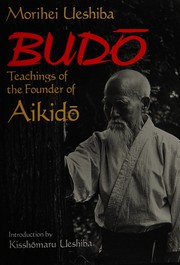
1938. Ueshiba Morihei, 武道, in John Stevens's translation of 1991. The founder's privately printed book of 1938 is known here through its English translation, which the translator calls as literal as possible and says follows the original organization; the text, he adds, assumes that the teachings it presents will be augmented by oral explanations from qualified instructors [38]. The translation carries no rendering of the phrase. The word masakatsu occurs once, as the surname of Nakai Masakatsu, the teacher of his youth, and victory does not occur at all. The thought is there all the same, among the teaching-verses that open the book: "Ei!!" / Cut down the enemy / lurking inside oneself / and guide all things with / shouts of "Yaa!" and "Iei!", and on the next page, strikes at the evil enemy / lurking deep within / one's own body and soul [38]. The son's English textbook of 1963, on the page that gives the motto, explains it with the founder's verses, and one of them is Destroy the foe that's hidden in the body. / Lead all beings shouting out "hurrah!" [19]: by everything the two Englishes share, the enemy within, the leading of all things and the shout, it is the first of these verses; its Japanese is not read here. In the books read here the four characters belong to the years after 1938; the enemy inside oneself, to be cut down, is in the founder's own book.
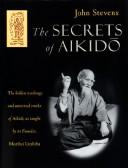
1957. Ueshiba Kisshōmaru, 合気道. The founder's son's textbook is the earliest printed Japanese witness of the motto that the library's full-text search returns. The National Diet Library serves it only inside the library, and it is known here by the lines its full-text index shows of the page: 撓まざる修練によって正勝吾勝の境地を自信しなければならない。正勝とは、正しきに勝つことであり、正しいことは断乎としてこれを行い、邪悪なるものをすべてこの世から追放する … 正邪共に無しという境地に至るのである。吾勝とは、自己に勝つことであり、自己の持って生れた天職使命を完遂することである, through unremitting practice we must make sure of the state of masakatsu agatsu. Masakatsu is to win in what is right: to do what is right resolutely and drive all evil from this world … to reach the state where there is neither right nor wrong. Agatsu is to win over oneself, to carry through the calling one was born with [20]. This is the Japanese of the 1963 English below, and it reads 吾勝 as victory over oneself in so many words. Two years later Tōhei Kōichi 藤平光一 writes of 植芝先生がいつもいわれる「正勝吾勝」、即ち正しき真理にて勝ち、われに勝つの修行, the masakatsu agatsu that Master Ueshiba always speaks of: the training of winning by the true principle and winning over oneself [39]. Both books were printed in the founder's lifetime, which ended in April 1969 [23].
1978 to 1990. The god named in the Japanese aikido books, and the founder's talks. Mochizuki Minoru 望月稔, in 1978: 「正勝吾勝」と書くのだが、これは天照大神の御子で大神からトヨアシハラ国を統治せよと命令された方の名であるが, it is written 正勝吾勝, and this is the name of the child of Amaterasu whom the goddess commanded to rule the land of the reed plains [35]. The compilation of the founder's talks 武産合気, in the edition of 1986 the index serves, has him name the god himself: この合気は正勝吾勝勝速日であります。正勝吾勝勝速日とは天之忍穂耳命のみ代を称えたことばで, this aiki is masakatsu agatsu katsuhayabi; masakatsu agatsu katsuhayabi is the words praising the age of Ame-no-oshihomimi-no-mikoto [40]. His son, the same year, on where the words came from: 「正勝吾勝」われに勝つ心 父盛平は古い言葉が好きで、『古事記』などからむずかしい言葉を見つけ出してきては若い者を煙にまいていた, masakatsu agatsu, the heart that wins over itself: my father loved old words, and would dig difficult words out of the 古事記 and books like it and leave the young ones in a fog [8]. The same book names a reader of the 古事記 he was close to; its index line at another page reads …平は当時、在野の『古事記』研究家と言われていた言霊学者の中西光雲に親炙していた, … was close at that time to Nakanishi Kōun, a scholar of kotodama, the spirit of words, who was called an independent student of the 古事記 [8]. The line does not say when, or whether the reading of this name came from him; whether the self in 吾勝 was heard first in that circle, the books read here cannot say. And the second compilation, 合気神髄 of 1990, prints the saying the aikido world quotes: 真の武は、正勝、吾勝、勝速日であるから、いかなる場合にも絶対不敗である。すなわち、絶対不敗とは、絶対に何ものとも争わぬことである。勝つとは己れの心, true budō is masakatsu, agatsu, katsuhayabi, and is therefore undefeated in every case. That is, to be undefeated is never to contend with anything at all. To win is, in one's own heart … [5], where the index's line ends; a dōjō's page carries the gloss on, 勝つとは己れの心の中の『争う心』に打ち勝つ事であり, to win is to defeat the contending mind in one's own heart [7], and an essay quotes the whole [6]. All four books are served in Japan only and are quoted here from the index's lines, not from the page; the English books below translate the saying.
What is not a source. The maxim is often set beside the Dhammapada's verse that one who conquers himself is greater than one who conquers a thousand men in battle, and Stevens, right after his literal rendering, sets it beside a teaching he calls akin to it [24]. That is a pairing, not a source: nothing in this record connects Ueshiba's reading to any Buddhist verse, and the characters come from the 古事記. Stevens also writes that the seven characters are a phrase from a secret chant used for centuries by mountain ascetics and samurai saints, and prints the chant, SU-U-KU KA-MI SA-MU-HA-RA MA-SA-KA-TSU WA-RE-KA-TSU, without a source [14]. No book printed before 1945 in the National Diet Library's full-text index carries the four characters beside サムハラ; in those books サムハラ is a four-character protective charm sold as rings and amulets in the 1930s by a society dissolved in 1937, and a soldier's amulet in 1943 [34]. After 1945 the nearest the library's full-text search comes is the founder's own compilation of 1990, which on one page carries the god's full name and 天の村雲九鬼さむはら竜王, the guardian deity he names [5]. The chant as a chant is reported by Stevens and is not found earlier by the National Diet Library's two full-text instruments or the Internet Archive's. Nor is the motto a proverb or a four-character idiom of the ordinary kind: the Japanese dictionaries at kotobank have no headword 正勝吾勝, and the one bilingual entry that does, in JMdict, is an aikido entry that repeats the story that Ueshiba coined it [27].
The motto in English
1879 and 1881. Ernest Satow, "Ancient Japanese Rituals," in the Transactions of the Asiatic Society of Japan. In a note on the word grandchild in the first part, read in November 1878, Satow retells the oath from the 古事記: Susanowo performed a similar series of operations with the chaplets which the goddess wore in her hair, and produced five male gods, the eldest of whom was Masaka-akatsu-kachi-hayabi Ame no Oshi-ho-mi-mi no mikoto [16]; in the third part, in 1881, her adopted child Masaka-a-katsu-kachi-haya-bi-ame-no-oshi-ho-mimi no Mikoto [41]. He romanizes the name with the 日本書紀's masaka and does not translate it.
1882. Basil Hall Chamberlain, Ko-ji-ki, or Records of Ancient Matters, Section XIII. His Augustness Truly-Conqueror-I-Conquer-Conquering-Swift-Heavenly-Great-Great-Ears, hyphen for hyphen, a name translated as a name [17]; at Section XXXIII, the commission, he drops one Conquering [42]. Chamberlain reads 正勝 as truly conqueror and 吾勝 as I conquer, the 古事記's two-word reading, in English.
1896. W. G. Aston, Nihongi: Chronicles of Japan from the Earliest Times to A.D. 697, vol. I, pp. 35–40. Aston romanizes, Masa-ya-a-katsu-kachi-hayabi-ama no oshi-ho-mimi no Mikoto, footnotes Chamberlain's page with his own gloss, Truly-I-conquer-conquer-swiftness-heaven-of-great-great-august-person, renders the first variant account's proof of victory, as Sosa no wo no Mikoto had thus acquired proof of his victory, the Sun-Goddess learnt exactly that his intentions were wholly free from guilt, and in the third variant account renders the cry as English speech: He then said:—'Truly I have won.' And the child was therefore called Katsu no haya-hi ama no oshi-ho-mimi no Mikoto [18]. Neither man knew the four characters as a saying, because in their day they were not one.
1963. Ueshiba Kisshōmaru, Aikido, translated by Tanahashi Kazuaki and Roy Maurer Jr., Hozansha, p. 14. The founder's son's textbook, which its author's preface calls the revised translation of his Japanese books 合気道 and 合気道技法, is the earliest English rendering of the motto in any book read for this page: In order to attain The Way, we must experience the state of AIKI-VICTORY with unremitting practice. AIKI-VICTORY — or masa-ka a-ka — means, "Truth is victorious; therefore I am victorious." Having the conviction that Truth shall triumph we move forward with unshaken conviction to eliminate all the evil from this world, and further, to reach the state where there is neither right nor wrong. In doing this we also win over ourselves. When Truth has won and we have won over ourselves we have accomplished the mission which is given to every one of us [19]. The romaji is unvoiced and drops the last syllable of each word, masa-ka a-ka, and is quoted as printed; the index of the printing read here gives the full words beside it, masa-ka a-ka or masa-katsu a-katsu, 14, still unvoiced [19]. The gloss reads 正 as truth, not true, puts truth's victory first, and comes to victory over oneself after it, in the passage's last two sentences. The Japanese it translates, the son's book of 1957 above, says 吾勝とは、自己に勝つことであり in its own second sentence [20]: the therefore I am victorious is the translators'.
1968. Donald L. Philippi, Kojiki, pp. 77, 79 and 513. The scholarly translation of its day romanizes the name in the old sounds, Masa-katu-a-katu-kati-paya-pi, and in a note to the birth says, following Tsuda Sōkichi 津田左右吉, that its first part probably means 'Verily Winning I Have-won Victorious Vigorous-Force' and must have had some relation to Susa-no-wo's victory and his subsequent turbulent ragings; it renders the boast By this it is obvious that I have won. Thus saying, he raged with victory; and its glossary gives 'Correct-Victory I-Am-Victorious Victory-Rapid-Sun' … Thus it seems to be a deification of victory [25]. Five years after the aikido textbook put the motto into English, the scholarly English reads the name the way the chronicles do.
1984. John Stevens, Aikido: The Way of Harmony, pp. 25 and 197. The motto of Aikido training is Masakatsu Akatsu, "By acting in accordance with the truth we always emerge victorious"; and in the glossary, masakatsu akatsu 正勝吾勝 (By acting in accordance with the truth we always emerge victorious) A favorite saying of the Founder that sums up the ethics of Aikido [21]. Still unvoiced, akatsu, and a gloss with no self in it.
1985. Ueshiba Kisshōmaru, Aikido, revised edition, Hozansha, p. 14. The same sentence with the romaji re-set: AIKI-VICTORY — or masakatsu agatsu — means, "Truth is victorious; therefore I am victorious" [22]. The revision says a full twenty years have elapsed since the first edition of AIKIDO appeared in the English language. The voiced agatsu enters English print here.
1987. John Stevens, Abundant Peace: The Biography of Morihei Ueshiba, p. 121. He was ever-victorious because of his reliance on Masakatsu-agatsu, "True victory is self-victory" [23]. From this book on, Stevens's English is the English of the phrase.
1991. Stanley A. Pranin, The Aiki News Encyclopedia of Aikido. The entry MASAKATSU AGATSU. Correct victory; …, under a reproduction of the founder's calligraphy of the phrase [43]. Correct for 正 is the one rendering in this list that keeps the character's plainest sense.
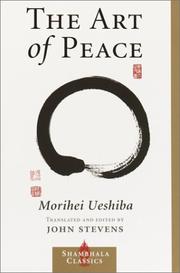
1992. Ueshiba Morihei, The Art of Peace, translated by John Stevens. The heart of the Art of Peace is: True Victory is Self-Victory; Day of Swift Victory! "True Victory" … it contends with nothing. Rely on True Victory is Self-victory, Day of Swift Victory and you will be …; and, of the calligraphy, Masakatsu Agatsu Katsuhayabi, "True Victory is Self-Victory Day of Swift Victory!" [44]. 勝速日 becomes Day of Swift Victory, 日 read as day.
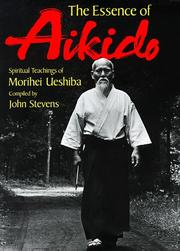
1993. The Essence of Aikido: Spiritual Teachings of Morihei Ueshiba, compiled by John Stevens, pp. 28–29. Masakatsu-Agatsu-Katsuhayabi (variously pronounced Masakatsu-Akatsu-Kachihayahi or Masakatsu-Warekatsu-Kachihayabi) is part of the name of a Shintō deity brought into being by the gods Susano-o and Amaterasu. The aikido literature in English, then, knows by 1993 that the motto is a god's name, as the Japanese had since at least 1978 [35], and records three readings of the second word, agatsu, akatsu and warekatsu. Then: Morihei took Masakatsu-Agatsu-Katsuhayabi as his motto and explained it like this: The heart of Aikidō is: True Victory is Self-Victory, Day of Swift Victory! "True Victory" means unflinching courage; "Self-Victory" symbolizes unflagging effort; and "Day of Swift Victory" represents the glorious moment of triumph in the here and now. Aikido is free of set forms, so it responds immediately to any contingency, which thus assures us of the true victory; it is invincible because it contends with nothing; and Winning without contending is true victory, a victory over oneself, a victory swift and sure [14]. Between the two passages sits the chant discussed above.
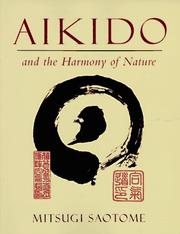
1993. Mitsugi Saotome, Aikido and the Harmony of Nature, chapter 13, "The Education of an Uchi Deshi." A student who lived in the founder's dōjō remembers him at Iwama, at the end of a night's talk on reading, saying: Agatsu means the victory over oneself through purity of soul. Masagatsu is the correct victory, the right Way. Katsu hayabi is the spiritual awakening of no time and no space. The combined wisdom of these words is the root of shugyo [45]. It is the founder's sense in a student's memory, set down after his death, and the one English print in this list that voices the first word, masagatsu.
1995. John Stevens, The Secrets of Aikido, p. 104. In the chapter Masakatsu Agatsu Katsuhayabi: True Victory: may be literally translated as "True victory is victory over oneself", followed by two of the founder's teaching-verses on the phrase [24].
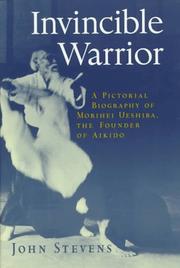
1997. John Stevens, Invincible Warrior, the captions to the calligraphy. Masakatsu Agatsu, "True victory is victory over oneself," (top) and Katsuhayabi, "Victory …, captioning the founder's brushwork, and a photograph of Morihei in the Hombu Dojo brushing "Masakatsu Agatsu" [46].
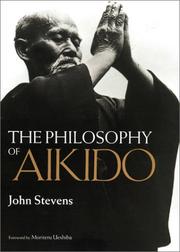
2001. John Stevens, The Philosophy of Aikido. The last major principle of Aikido philosophy is masakatsu agatsu katsu hayabi. The character masa means "true …; A close translation of the entire phrase … would be: "True victory is victory over oneself, right here, right now!" Masakatsu agatsu katsu hayabi was Master Ueshiba's most frequent … [47]. 勝速日 is now right here, right now.
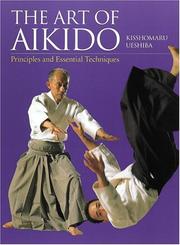
2004. Ueshiba Kisshōmaru, The Art of Aikido, the preface and p. 77. True Budo is masakatsu, agatsu, katsuhayabi — "True Victory is Self-Victory, Victory Right Now!" This is an absolute victory, absolute because it does not contend with anything. Victory is to thoroughly rid the mind of contention and conflict within ourselves; and, Masakatsu is to properly set your heart according to the truth and persevere to the end to achieve victory. Agatsu means to defeat your lower nature and to transcend selfishness; katsuhayabi is the ability to respond to any contingency in a free-flowing, harmonious, and unhindered manner [48]. The son's gloss on 吾勝 is the fullest in English: the defeat of one's lower nature.
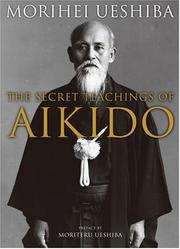
2007. Ueshiba Morihei, The Secret Teachings of Aikido, translated by John Stevens, pp. 10 and 17. We must rely on the battle cry Masakatsu agatsu katsuhayabi, followed by the book's own bracketed gloss, True victory is self-victory, a victory right here, right now; and The most important aspect in our study is the divine functioning of Masakatsu agatsu katsuhayabi. Masakatsu means unflinching. Agatsu means unflagging. Katsuhayabi is the splendor of victory. This supreme principle is symbolized by the Shinto deity Masakatsu katsuhaya hi ame oshihomi no mikoto [49]. The founder's own words, as compiled and translated, name the god, and battle cry is closer to the 古事記 than a reader of the maxim alone would guess.
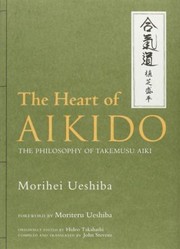
2010. Ueshiba Morihei, The Heart of Aikido: The Philosophy of Takemusu Aiki, translated by John Stevens. Masakatsu agatsu katsuhayabi (True Victory is Self Victory Right Here, Right Now), with a page of interpretations [50].
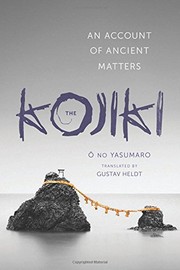
2014. Gustav Heldt, The Kojiki: An Account of Ancient Matters, pp. 21–23, 41, 48 and 237. The current scholarly translation returns the name to English as a name, translating every element: In the spraying spume appeared the mighty one of heaven, Truly Winning Have I Won with Rushing Might Ruling Grand Rice Ears of Heaven; and the boast as a sentence, "Because my intentions were pure and clear, I have gained weak-limbed women for children. Put thus, I have clearly won the contest!" And so saying, he ran amok in triumph, ruining the ridges between the rice paddies; the glossary gives the reading unvoiced, Masa-katsu-a-katsu-kachi-haya-hi-ame-no-oshi-ho-mi-mi [26]. Truly Winning Have I Won is the 古事記's sense in four English words.
Today. JMdict enters 正勝吾勝 as まさかつあがつ, an expression and a four-character idiom, glossed true victory is victory over oneself, with the note coined by the founder of Aikido, Morihei Ueshiba [27]; the reading is the aikido reading, the gloss is Stevens's of 1995, and the note is wrong of the characters and of the reading, as the record above shows, and right only of the sense. The house sells the four characters under the title True Victory is Victory Over Oneself, John Stevens's literal rendering of 1995 [24], and the seven-character form under True Victory is Victory Over Oneself, Victory Right Here Right Now, after his rendering of 2001, True victory is victory over oneself, right here, right now [47], with the second victory that his 2007 gloss carries, a victory right here, right now [49]. Both titles render the motto; what the four characters say at their source is truly, I have won, and the history above is the account of how the one became the other. A rendering of the motto must keep the two victories as two and the second as one's own: not self-confidence, not inner strength, but a victory, and over oneself.
A reading
The true story is older and better documented than the one usually told, and every correction to the usual telling runs the same way. The four characters are the first half of the name of the god who stands between the sun goddess and the emperors and who never came down to earth; at their source they are a shout, Susanoo's, truly, I have won, and the book that records it has him wrecking his sister's rice fields in the next line, drunk on the winning. The cry stayed audible in the name: a poet of Bashō's circle shouted it over a game of sugoroku, and Nichiren, who gave the name to the goddess, still read it as the word of whoever had won. The two-word reading masakatsu is the chronicle's own alternate. The voiced agatsu is in a reference book of 1903, when Ueshiba was twenty. His own book of 1938, as literally translated, has no victory in it, but it has the enemy lurking inside oneself, to be cut down. The saying that Ueshiba coined the phrase, which the dictionary repeats, is therefore wrong of the characters, wrong of the reading, and right of one thing only, the meaning: that the founder of a martial art with no matches chose this shout for his motto and read it as the defeat of the contending mind in one's own heart. That is the whole interest of the phrase, and it fits in two sentences: the characters are twelve hundred years old and belong to a god; the meaning is Ueshiba's, as his son and his student give it in his lifetime and as his own verse of 1938 already points, and it turns a victory cry inside out. The founder's son had the self in it from his first Japanese page, in 1957, and his English translators of 1963 set it after Truth is victorious; therefore I am victorious, in the passage's closing sentences; Stevens's 1995 rendering, which the phrase now travels under, keeps the founder's sense and lets the god's go. Both are right about what they render. I read the four characters as the aikido world does, as a maxim, and I would not have a reader forget that it was a shout.
Notes
-
麻娑柯 and 麻沙柯. The 1599 print of the 日本書紀 writes the reading of 正勝 as 麻娑柯; Iida in 1902 and the 1903 typeset of the 類聚名物考 quote it as 麻沙柯, the 1903 typeset with a further 苐. One reading, masaka, in two spellings of its second syllable [9][10][13].
-
正勝 and 正哉. The 古事記 writes the name 正勝吾勝, the 日本書紀 正哉吾勝, with the exclamatory 哉. The motto follows the 古事記 [28][31].
-
The doubled 勝 in the 1599 print. In the main text the two 勝 of 吾勝勝速日 fall on either side of a column break and are both written out; in the variant accounts the print marks the doubled character with a repeat sign, so that a text taken from those leaves reads 吾勝々速日 [31][2].
-
The doubled 勝 in the oldest manuscript. The 真福寺本 of the 古事記 (1371–72), the oldest manuscript, writes 正勝吾勝ゝ速日 at the birth and at the commission, the second 勝 of the pair as a repeat mark, in both of the facsimiles opened [51]. The motto, which stops at the fourth character, writes 勝 twice.
-
まさや. Nichiren's kana (in the 1904 edition), the haikai verse's (in the 1925 edition) and Aston's Masa-ya read 正哉 as masaya; the 日本書紀's own note, which Iida follows, reads 正勝 as masaka [3][4][18].
-
The first English romaji. The 1963 translation prints masa-ka a-ka, the 日本書紀's masaka for the first word and the last syllable of each word dropped, and its index, in the printing read here, adds masa-katsu a-katsu; the 1985 revision re-sets it as masakatsu agatsu. All are quoted as printed [19][22].
-
Three readings of 吾 in the aikido literature. Stevens's 1993 compilation records agatsu, akatsu and warekatsu for 吾勝; the last reads 吾 by its ordinary reading ware [14].
Sources not seen
植芝盛平『武道練習』, mimeographed, 1934, and 『武道』, privately printed, 1938, the founder's two prewar books; the National Diet Library holds bound copies of each, closed by a brushed note over the seal 植芝守高, and serves them in its reading rooms only (catalogue records https://ndlsearch.ndl.go.jp/books/R100000136-I1970867909769034925 and https://ndlsearch.ndl.go.jp/books/R100000136-I1970867909913662259). The 1938 book is known to this history only in its English translation. Either would settle whether the four characters stand in the founder's own hand before the war.
植芝吉祥丸『合気道』, 光和堂, 1957; 藤平光一『合気道 写真解説』, 東都書房, 1959; 望月稔『技法日本伝柔術』, 講談社, 1978; 植芝盛平 述『武産合気』, in the edition of 1986; 植芝吉祥丸『合気道真諦』, 講談社, 1986; and 植芝盛平 述『合気神髄』, 柏樹社, 1990 (with a new edition from 八幡書店 in 2024, https://ndlsearch.ndl.go.jp/books/R100000002-I000002076584). The National Diet Library has digitized each and serves them in Japan only; every sentence quoted from them above is a line its full-text index shows, and none was read at the page. The page would give the whole passage around each line, and, for the compilations, the date and occasion of the talk.
Kisshōmaru's Aikido of 1963 in its first printing, held by the Internet Archive for lending only; the printing of 1974 is read here, and whether the first printing's index already carried masa-katsu a-katsu is not known.
清水豊『古事記と植芝盛平 : 合気道の神道世界』, ビイング・ネット・プレス, 2006 (https://cir.nii.ac.jp/crid/1970867909791775906), a book-length study of the founder and the 古事記, not on hand.
A reader with access to any of these is invited to write to Takase Studios at Tim@Takase.com.
References
- 『古事記』上巻, Susanoo's boast, 柏悦堂 typeset, 1870. National Diet Library pid 772088, scan 25. https://dl.ndl.go.jp/pid/772088/1/25
- 『日本書紀』巻一 神代上, 第六段 一書第二 and 一書第三, 慶長四年 (1599) print. National Diet Library pid 1286872, scan 31. https://dl.ndl.go.jp/pid/1286872/1/31
- 日明 編, 小川孝栄 訂『日蓮上人御遺文』, 祖書普及期成会, 1904, 四條金吾殿女房御返事, p. 672. National Diet Library pid 823848, scan 352. https://dl.ndl.go.jp/pid/823848/1/352
- 与謝野寛 等編『日本古典全集 芭蕉全集』後篇, 日本古典全集刊行会, 1925–26, 「須磨の秋」, p. 21. National Diet Library pid 1019617, scan 18. https://dl.ndl.go.jp/pid/1019617/1/18
- 植芝盛平 述, 合気会 編『合気神髄 : 合気道開祖・植芝盛平語録』, 柏樹社, 1990, the National Diet Library's full-text index lines at scans 18 and 25 (the book is served in Japan only). National Diet Library pid 13217048. https://dl.ndl.go.jp/pid/13217048
- 松剱 (matsurugi), 「合気道と神道 正勝吾勝勝速日天之忍穂耳命」, an essay at note.com, 2021, quoting the founder's saying. https://note.com/matsurugi/n/n7ce33c1746a0
- 真武館 (aiki-net.org), 「正勝吾勝勝速日」, a dōjō's New Year page, 2012, paraphrasing the founder's explanation of the saying. https://www.aiki-net.org/shinbukan/?shinnen=masakatsuagatsu120401
- 植芝吉祥丸『合気道真諦』, 講談社, 1986, the full-text index lines at scans 55 and 124 (served in Japan only). National Diet Library pid 12146833. https://dl.ndl.go.jp/pid/12146833
- 『日本書紀』巻一 神代上, 第五段 一書第六, the reading note on 正勝, 慶長四年 (1599) print. National Diet Library pid 1286872, scan 21. https://dl.ndl.go.jp/pid/1286872/1/21
- 飯田武郷『日本書紀通釈』第一, 明治書院, 1902, the gloss on the name. National Diet Library pid 992400, scan 176. https://dl.ndl.go.jp/pid/992400/1/176
- 「天忍穂耳尊」, デジタル大辞泉 · 改訂新版 世界大百科事典 (西宮一民) · 日本人名大辞典, at kotobank. https://kotobank.jp/word/天忍穂耳尊-427113
- 出口王仁三郎『記紀真解』, 皇道大本大日本修斎会, 1921, the commission of the land with its kana. National Diet Library pid 926081, scan 8. https://dl.ndl.go.jp/pid/926081/1/8
- 山岡浚明『類聚名物考』第一冊, 近藤活版所, 1903, the entry 正勝吾勝勝速日天之忍穗耳命. National Diet Library pid 1869498, scan 143. https://dl.ndl.go.jp/pid/1869498/1/143
- The Essence of Aikido: Spiritual Teachings of Morihei Ueshiba, compiled by John Stevens, Kodansha International, Tokyo, 1993, pp. 28–29. Internet Archive essenceofaikidos0000uesh. https://archive.org/details/essenceofaikidos0000uesh
- 典 Ten, 「合気 · aiki · Matched ki」, Takase Studios Library, philology, 2026, the historical record. https://takase.com/library/philology/aiki
- Ernest Satow, "Ancient Japanese Rituals, No. 1," read 12 November 1878, Transactions of the Asiatic Society of Japan, vol. VII, 1879, p. 116, note 12. Internet Archive transactionsasi23japagoog. https://archive.org/details/transactionsasi23japagoog
- Basil Hall Chamberlain, translator, "Ko-ji-ki" or "Records of Ancient Matters," Transactions of the Asiatic Society of Japan, vol. X, supplement, Yokohama, 1882, Section XIII, at Wikisource. https://en.wikisource.org/wiki/Kojiki_(Chamberlain,_1882)/Section_13
- W. G. Aston, translator, Nihongi: Chronicles of Japan from the Earliest Times to A.D. 697, vol. I, published for the Japan Society, London, by Kegan Paul, Trench, Trübner, 1896 (Transactions and Proceedings of the Japan Society, Supplement I), pp. 35–40. Internet Archive nihongi1asto. https://archive.org/details/nihongi1asto
- Kisshomaru Ueshiba, Aikido, translated by Kazuaki Tanahashi and Roy Maurer Jr., Hozansha, Tokyo, 1963, in the printing of 1974, the author's preface, p. 14 and the index at p. 187.
- 植芝吉祥丸『合気道』, 光和堂, 1957, the full-text index lines at scan 15 (served inside the library only). National Diet Library pid 2483467. https://dl.ndl.go.jp/pid/2483467
- John Stevens, under the direction of Rinjiro Shirata, Aikido: The Way of Harmony, Shambhala, Boston, 1984, pp. 25 and 197.
- Kisshomaru Ueshiba, Aikido, revised edition, Hozansha, Tokyo, 1985, in the fifth printing, 1989, p. 14. Internet Archive aikido0000uesh. https://archive.org/details/aikido0000uesh
- John Stevens, Abundant Peace: The Biography of Morihei Ueshiba, Founder of Aikido, Shambhala, Boston, 1987, pp. 57 and 121. Internet Archive abundantpeacebio00stev. https://archive.org/details/abundantpeacebio00stev
- John Stevens, The Secrets of Aikido, Shambhala, Boston, 1995, p. 104. Internet Archive secretsofaikido0000stev. https://archive.org/details/secretsofaikido0000stev
- Donald L. Philippi, translator, Kojiki, University of Tokyo Press and Princeton University Press, 1968, pp. 77 (Book One, chapter 15, note 5), 79 and 513.
- Gustav Heldt, translator, The Kojiki: An Account of Ancient Matters, Columbia University Press, New York, 2014, pp. 21–23, 41, 48 and the glossary at p. 237.
- JMdict, 「正勝吾勝」, at Weblio 英和・和英辞典. https://ejje.weblio.jp/content/正勝吾勝
- 『古事記』上巻, the birth of the five gods at the oath, 柏悦堂 typeset, 1870. National Diet Library pid 772088, scan 24. https://dl.ndl.go.jp/pid/772088/1/24
- 『古事記』上巻, the commission of the land, 柏悦堂 typeset, 1870. National Diet Library pid 772088, scans 47 to 48. https://dl.ndl.go.jp/pid/772088/1/47
- 『古事記』上巻, the heir's answer, 柏悦堂 typeset, 1870. National Diet Library pid 772088, scan 56. https://dl.ndl.go.jp/pid/772088/1/56
- 『日本書紀』巻一 神代上, 第六段, the main text, 慶長四年 (1599) print. National Diet Library pid 1286872, scan 27. https://dl.ndl.go.jp/pid/1286872/1/27
- 小宮豊隆『芭蕉の研究』, 岩波書店, 1933, pp. 245 to 247. National Diet Library pid 1213547, scans 128 to 129. https://dl.ndl.go.jp/pid/1213547/1/128
- 本居宣長『古事記伝』校訂 乾, 卷七, 吉川弘文館, 1930. National Diet Library pid 1041627, scan 184. https://dl.ndl.go.jp/pid/1041627/1/184
- 国立国会図書館 次世代デジタルライブラリー, full-text search over the library's digitized public-domain books, on the spellings 正勝吾勝, 正哉吾勝, 正勝吾勝勝速日, 吾勝勝速日, 正勝吾勝々速日, 吾勝々速日 and サムハラ, with the titles of every hit read; and 国立国会図書館デジタルコレクション, full-text search over the digitized books of every access tier, oldest first, on 正勝吾勝, 正哉吾勝 and まさかつあがつ and on 正勝吾勝 within three hundred characters of 合気, 植芝, 武道 and サムハラ. https://lab.ndl.go.jp/dl/ · https://dl.ndl.go.jp/search/searchResult?keyword=正勝吾勝&fulltext=true&sortKey=ISSUED_ASC
- 望月稔『技法日本伝柔術 : 黒帯合気道』, 講談社, 1978, the full-text index line at scan 19 (served in Japan only). National Diet Library pid 12146201. https://dl.ndl.go.jp/pid/12146201
- 木村鷹太郎『真善美』, 真善美協会, 1907, p. 179. National Diet Library pid 889115, scan 101. https://dl.ndl.go.jp/pid/889115/1/101
- 司法省調査課『報告書』第八, 1937, 第六項 大日本武道宣揚會. National Diet Library pid 1886676, scans 73 to 74. https://dl.ndl.go.jp/pid/1886676/1/73
- Morihei Ueshiba, Budo: Teachings of the Founder of Aikido, translated by John Stevens, Kodansha International, Tokyo, 1991, the translator's foreword at p. 26, the verses at pp. 28 and 29, and the whole text.
- 藤平光一『合気道 : 写真解説』, 東都書房, 1959, the full-text index line at scan 11 (served in Japan only). National Diet Library pid 2489404. https://dl.ndl.go.jp/pid/2489404
- 植芝盛平 述『武産合気』, 1986 edition, the full-text index line at scan 65 (served in Japan only). National Diet Library pid 12146827. https://dl.ndl.go.jp/pid/12146827
- Ernest Satow, "Ancient Japanese Rituals — Part III," Transactions of the Asiatic Society of Japan, vol. IX, 1881, p. 206. Internet Archive transactionsasi01japagoog. https://archive.org/details/transactionsasi01japagoog
- Basil Hall Chamberlain, translator, "Ko-ji-ki" or "Records of Ancient Matters," 1882, Section XXXIII, at Wikisource. https://en.wikisource.org/wiki/Kojiki_(Chamberlain,_1882)/Section_33
- Stanley A. Pranin, The Aiki News Encyclopedia of Aikido, Aiki News, Tokyo, 1991, p. 72, the entry Masakatsu Agatsu. Internet Archive aikinewsencyclop0000stan. https://archive.org/details/aikinewsencyclop0000stan
- Morihei Ueshiba, The Art of Peace, translated by John Stevens, Shambhala, Boston, 1992, in the Shambhala Classics edition of 2002. Internet Archive artofpeace0000uesh. https://archive.org/details/artofpeace0000uesh
- Mitsugi Saotome, Aikido and the Harmony of Nature, Shambhala, Boston, 1993 (copyright 1986 and 1993), in the printing of 2013, chapter 13, "The Education of an Uchi Deshi."
- John Stevens, Invincible Warrior: An Illustrated Biography of Morihei Ueshiba, Founder of Aikido, Shambhala, Boston, 1997, the captions to the founder's calligraphy. Internet Archive invinciblewarrio0000stev. https://archive.org/details/invinciblewarrio0000stev
- John Stevens, The Philosophy of Aikido, Kodansha International, Tokyo, 2001, the chapter on masakatsu agatsu katsu hayabi. Internet Archive philosophyofaiki0000stev. https://archive.org/details/philosophyofaiki0000stev
- Kisshomaru Ueshiba, The Art of Aikido: Principles and Essential Techniques, Kodansha International, Tokyo, 2004, the preface and p. 77.
- Morihei Ueshiba, The Secret Teachings of Aikido, translated by John Stevens, Kodansha International, Tokyo, 2007, pp. 10 and 17. Internet Archive secretteachingso0000uesh. https://archive.org/details/secretteachingso0000uesh
- Morihei Ueshiba, The Heart of Aikido: The Philosophy of Takemusu Aiki, translated by John Stevens, Kodansha International, Tokyo, 2010, in the Kodansha USA printing of 2013. Internet Archive heartofaikidophi0000unse. https://archive.org/details/heartofaikidophi0000unse
- 『古事記』, 真福寺本 (1371–72), in the facsimiles of 古典保存会, 1925 (National Diet Library pid 1185374, scan 18, https://dl.ndl.go.jp/pid/1185374/1/18) and 京都印書館, 1945 (pid 1184132, scans 16 and 31, https://dl.ndl.go.jp/pid/1184132/1/16).
Books Cited
Books this article cites that can be ordered today.