
直心是道場無虚假故 jikishin kore dōjō, koke naki ga yue ni The straightforward mind is the place of practice, because it is free of falsehood
直心是道場無虚假故 (jikishin kore dōjō, koke naki ga yue ni) says that the place of practice is a straight mind. It is Vimalakīrti's answer in the sutra Kumārajīva translated in 406. Confucians, tea people and swordsmen took it up after the Zen teachers, and this study follows it to the training hall and into English.

Abstract
直心是道場無虚假故 is one sentence of the Vimalakīrti Sutra in the Chinese of Kumārajīva, completed in 406: the layman Vimalakīrti, asked where he has come from, says he has come from the place of the Way, and that the place of the Way is a straight mind. This study follows the sentence from the sutra through its Chinese commentators, the Platform Sutra of the Sixth Patriarch, the Japanese kana sermons and a Confucian critic to a Song Confucian who found Confucius and the Buddha agreed in it, a poet who named himself after it, the creed of honesty a Kyoto merchant-teacher gave his meetings, in a copy inscribed in the winter of 1773 to 1774, a one-line scroll that John Stevens credits to Konnichi-an, the Urasenke tea house in Kyoto, the Zen phrase books, a kendo hall and the abbot of Engakuji in 2021, and sets out its English renderings with their pages, from 1924 to the English of tea and the martial arts. The first five characters, 直心是道場, are the form that Zen teachers brush and the phrase books list; the nine are the sutra's sentence with its own reason attached. The word that carries the line, 直, straight, is the Chinese translator's: the Sanskrit speaks of a resolve that is unfeigned, and everything the tradition later says of straightness is said of Kumārajīva's character.
Overview
The sense. The straight mind is itself the place of practice: a right and straight mind, in the dictionaries' words for 直心, and 道場 in the sense they give it today, a place where one trains, whether a hall for the martial arts or a place of Buddhist practice [1][2]; so there is no need to look for the hall anywhere else. The tradition holds that sense from the first, with a change of setting. In the sutra the place of the Way is the seat of awakening, and Vimalakīrti's answer is that the seat is not a place at all but a quality of mind, of which straightness, no gap between inside and outside, is the first. 僧肇 in the fifth century already reads it as a rebuke to the seeker who leaves the quiet ground at hand to look for holy ground far off, and every later reader keeps that. What changes is what the reader sets against it: the Chinese prince sets it against name without virtue; the Platform Sutra against the mouth that speaks of straightness while the mind is crooked, and makes it the definition of samādhi in daily motion, walking, standing, sitting, lying down; 抜隊 and the kana sermon turn it inward, the straight mind as the one mind undisturbed; the Confucian reads it as the whole of a rival doctrine, and then finds the same doctrine under the words of his fellow Confucians; the Meiji lecturers make it a rule of honest appetite and a maxim for a day; 間宮 in 1921 says that honest will not yet do for it, tells it to a regent with no time to sit, and draws the sentence that wherever this mind is, there is the dōjō; and a kendo teacher and a Zen abbot say the same in this century. The line was ready for each setting because it had denied the building from the start.
The words. Nine characters, a sentence and its reason. 直心 is the straight mind: 直 is straight, upright, honest, and 心 the mind or heart. The reading is jikishin, the go-on reading Buddhist words keep, and the modern dictionaries head it that way: デジタル大辞泉 has 仏語。正しくまっすぐな心, a Buddhist word: a right and straight mind, and 精選版日本国語大辞典 adds ひたむきに仏道をめざす心, a mind set single-mindedly on the Buddha's way, citing Dōgen and this sutra [1]. The word is Kumārajīva's choice [3]. The Sanskrit behind it is āśaya, which 玄奘 in 650 rendered 淳直意樂, a pure and straight intention [4], and which the translators from the Sanskrit and the Tibetan give as motivation, good intentions and positive thought [5][6][7]; the glossary of the translation from the Sanskrit defines it, although a general word for disposition or inclination, in texts like the VkN āśaya refers to one's deep-seated resolve to pursue the path [5]. The reason clause is one in every version: because it is entirely genuine from the Sanskrit [5], because it is without artificiality from the Tibetan [7], and for they are unfeigned in Lamotte's English for the Chinese [6], which is 無虚假. So the Indian sentence speaks of a resolve that is unfeigned, and Kumārajīva made of it a mind that is straight; he kept the one word 直, and everything the Zen tradition later built on the line is built on that word. 是 is the copula, is. 道場 is dōjō. デジタル大辞泉 gives first 武芸の修練を行う場所。また、広く心身の鍛錬などを行う場所, a place for training in the martial arts, and more widely for training body and mind, and then, as the word for the bodhimaṇḍa, 仏道修行の場所, a place of Buddhist practice [2]; the place of the Way is the word's two characters and its oldest sense, the Buddha's seat, and this history uses it for the texts written in that sense. The 精選版日本国語大辞典 lists its senses in this order: first the bodhimaṇḍa, 仏がさとりを開いた場所。菩提樹下の金剛座, the place where the Buddha awoke, the diamond seat under the tree; second, the very use this sutra makes of it, 発心・深心など、さとりを開くもととなる心, the minds, such as the resolve and the deep mind, that are the ground of awakening; third a place of Buddhist practice, a temple, its earliest quoted Japanese example of 718; and only sixth the hall where pupils gather to learn the martial arts from a teacher, its earliest quoted example of about 1712 [2]. The line's force for anyone who trains is that crossing, and the sutra makes it first: a seeker asks for a place and is given a mind. 無虚假故 is the reason: 虚假, koke, is falsehood, pretense, the outside not matching the inside, デジタル大辞泉 仏語。真実でないこと。外面と内心とが一致しないこと [8]; 無 negates it and 故 means because. Read in Japanese the clause is 虚假無きが故に, because it is without falsehood. The modern Japanese spelling 虚仮 and the sutra's 虚假 are one word. The line is the first of thirty-two items in the sutra's list, each of the shape X is the place of the Way, because Y; the five characters are the first item without its reason, the nine the item entire.
The text in English. The oldest English read for this study is Hōkei Idumi's translation of the sutra in The Eastern Buddhist in 1924, Sincere mind is the Bodhimaṇḍala as it is without falsehood [9]; a search of the English and bilingual books on this study's shelf found nothing older. The Platform Sutra's pair came into English in Wong Mou-lam's translation, first published at Shanghai in 1930, Straight-forwardness is the holy place, the Pure Land [10], and the line runs on through the translators of the two sutras: the straightforward mind is the bodhimandala (Luk) [11], the straight mind is the Bodhimandala (the Buddhist Text Translation Society) [12], an upright mind is the place of practice (Watson) [13], the direct mind is the site of enlightenment (Cleary) [14], the straightforward mind is the place of enlightenment and, in his other book, sincerity is the place of enlightenment (McRae) [15][16], and, as a Zen capping phrase, Straightforward mind—this is the place of practice (Hori) [17]; and, as captions to brushed scrolls, Single-mindedness is the place to practice the Way (Stevens) [18] and Straightforward mind is the place of practice (Harada) [19]; in the English of tea and the martial arts it is the training ground, the dojo and a training place [20][21][22]. The translators from the Tibetan and the Sanskrit stand apart, since their sentence runs the other way: the seat of enlightenment is the seat of positive thought (Thurman) [7], the seat of awakening is the seat of motivation (Gómez and Harrison) [5]. The English divides on 道場 exactly where the Japanese word itself divided: holy place, seat and place of enlightenment keep the Buddha's seat, place of practice and the place to practice the Way the hall.
The historical record
406. Kumārajīva's Chinese translation of the Vimalakīrti Sutra, 維摩詰所説経, book 1, chapter 4, 菩薩品. The youth 光嚴, going out of the great city of Vaiśālī, meets the layman Vimalakīrti coming in, and asks where he has come from [3]. 居士從何所來? 吾從道場來。 道場者何所是? 答曰:『直心是道場,無虛假故;發行是道場,能辦事故;深心是道場,增益功德故;菩提心是道場,無錯謬故;…』, "Householder, where have you come from?" "I have come from the place of the Way." "Where is the place of the Way?" He answered: "The straight mind is the place of the Way, because it holds no falsehood; the resolve to practice is the place of the Way, because it gets things done; the deep mind is the place of the Way, because it increases merit; the mind of awakening is the place of the Way, because it makes no error; …" Thirty-two items follow, ending with the whole of a bodhisattva's conduct: 舉足下足,當知皆從道場來, lifting a foot or setting it down, know that all of it comes from the place of the Way. The oldest Chinese translation, 支謙's, made in the kingdom of Wu between 223 and 253, has no straight-mind line at all; its list opens differently [23]. So the wording is Kumārajīva's, and the sentence is Vimalakīrti's answer, not the Buddha's.
Fifth century. 僧肇's commentary, 注維摩詰経, book 4. Kumārajīva's own disciple explains the word [24]: 直心者,謂內心真直、外無虛假,斯乃基萬行之本、坦進道之場也, the straight mind means an inner mind that is true and straight, with no falsehood outside; this is the base on which every practice is founded, the level ground on which one advances in the Way. And he asks the question every later reader of the line borrows: 曷為近捨閑境而遠求空地乎?, why abandon the quiet ground close at hand and seek an empty place far off? His colleague 道生 adds 以無虛假為懷者必得佛也, one who holds to no-falsehood will surely become a Buddha.
Before 494. 蕭子良, prince of the Southern Qi, 浄住子浄行法門, quoted in 道宣's 廣弘明集 of 664. The oldest quotation of the line read for this study outside the sutra's own commentaries is a layman's: the prince's manual of pure conduct opens its first chapter by arguing that Buddhism has both the name and the virtue, and proves it with this sentence [25], 譬若濟海託舟踐途寄足。故經云。直心是道場。無虛假故。發行是道場。能辨事故。如是四弘六度俱稱道場, as one crossing the sea relies on a boat and one walking a road relies on his feet; so the sutra says: the straight mind is the place of the Way, because it holds no falsehood; the resolve to practice is the place of the Way, because it gets things done; and thus the four vows and six perfections are all called the place of the Way. The collection heads the text 淨住子淨行法南齊文宣公, the prince's posthumous title.
Sui. 智顗's 維摩経略疏 and 吉蔵's 維摩経義疏. The two great commentators of the Sui both stop at the line. 智顗 ties it to the eightfold path [26], 故文云「直心是道場,無虛假故。」若觀無作修八正道,即離邪小紆迴曲見,名真直心, so the text says "the straight mind is the place of the Way, because it holds no falsehood"; when one contemplates the uncreated and cultivates the eightfold right path, one leaves the crooked and narrow views of the wrong and small, and this is called the true straight mind, and he is the first to read it together with the sutra's earlier sentence 直心是菩薩淨土, the straight mind is the bodhisattva's Pure Land, from the chapter on the Buddha-land. 吉蔵 glosses the two characters of 道場 separately [27]: 所言道者,謂無上正遍知,佛果道也。所言場者,凡有二義, 道 means unsurpassed right and universal knowing, the Way of the Buddha-fruit; 場 has two senses, the fruit's assembled virtues as the ground, or the cause as the ground of the fruit.
Seventh century. Prince Shōtoku's 維摩経義疏, read in printings of 1892 and 1897. The oldest Japanese witness is the commentary the tradition gives to 聖徳太子. The 1897 print carries the line with reading marks [28], 答曰直心是道塲無虛假故, and both it and the movable-type print of 1892 carry the gloss, character for character the same [28][29]: 直心能判善惡遠感佛果故云直心是道塲無虛假故者釋信質直無虛假也, the straight mind can tell good from evil and draws the Buddha-fruit from afar, so it says "the straight mind is the place of the Way"; "because it holds no falsehood" explains that faith is plain and straight, without falsehood.
Tang. The Śūraṅgama Sutra, 首楞嚴經, book 6. A second sutra gives the four-character form the Japanese later used as a title. In the Buddha's warning against false claims of attainment [30]: 我教比丘直心道場,於四威儀一切行中尚無虛假,云何自稱得上人法?… 因地不直,果招紆曲, I teach the monks that the straight mind is the place of the Way; in the four postures and every act there is to be no falsehood at all, so how could one claim for oneself the attainments of a superior man? … If the ground of the cause is not straight, the fruit will be crooked. A few columns on, 若諸比丘心如直絃, if the monks' minds are like a straight bowstring. The two sentences travel together from here.
Tang. The Platform Sutra of the Sixth Patriarch, 六祖壇経, in the Dunhuang manuscript and in the recension of 1291. This is the door through which the line entered Zen. 慧能 defines the samādhi of one practice by it [31]: 一行三昧者,於一切時中,行、住、坐、臥,常行直心是。《淨名經》云:『直心是道場,直心是淨土。』莫心行諂曲,口說法直,口說一行三昧,不行直心,非佛弟子。但行直心,於一切法上,無有執著,名一行三昧, the samādhi of one practice is this: at all times, walking, standing, sitting, lying down, always to act with a straight mind. The Vimalakīrti Sutra says: "the straight mind is the place of the Way; the straight mind is the Pure Land." Do not let the mind act crookedly while the mouth speaks of straightness; to speak of the samādhi of one practice and not act with a straight mind is not to be a disciple of the Buddha. Only act with a straight mind, and cling to nothing in any dharma: that is called the samādhi of one practice. The later recension reads the same with small changes [32], 於一切處行住坐臥,常行一直心是也 and 口但說直. The pairing 直心是道場,直心是淨土 is the Platform Sutra's, made of two sentences from two chapters of the Vimalakīrti, and it is in this paired form that most Zen writers after it quote the line.
Tang by attribution, read in a book whose oldest print is of 1637. The Recorded Sayings of Layman Pang, 龐居士語錄, book 2. A lay poet's verse turns the line on the reader [33]: 如來愍諸子,平等無高下,諸子自愚癡,所以難教化。直心是道場,子心轉姦詐, the Tathāgata pities his children, equal, without high or low; the children in their own folly are hard to teach. The straight mind is the place of the Way, but the child's mind turns to cunning and deceit. The book carries the byline of the prefect 于頔 as its editor, but the form that survives is later: its oldest print is a Ming edition of 1637, and a Japanese manuscript of 1486 copies a text with a colophon of 1221 [33].
Song. 子璿's commentary on the Śūraṅgama, 首楞嚴義疏注經, and a Japanese printing the catalogue dates 1339. Commenting on the Buddha's demand that Ānanda answer with a straight mind, 子璿 cites Vimalakīrti [34]: 研,究窮也。《淨名》云「直心是道場,無虛假故。」今推本意,豈得異想發言。欲正修行,當須確實,故今勸也, "to investigate" is to search to the end. The Vimalakīrti says "the straight mind is the place of the Way, because it holds no falsehood." Now, tracing the original intent, how could one speak from a divergent thought? One who would practice rightly must be solid and true; that is why he exhorts him here. The National Diet Library holds a Japanese print of this commentary whose catalogue record names 高師直 as printer and 1339 as the year [35]; if the record is right, this is the oldest dated printing of the line in Japan among the National Diet Library records read for this study, at the hand of the Ashikaga shogunate's steward. The date is the catalogue's and not a colophon's.
Before 1135. 楊時's sayings, in the 龜山集, book 10. A Confucian of the Cheng brothers' school, 楊時 (1053 to 1135), of whom デジタル大辞泉 says 朱熹の学の祖といわれる, he is said to be a founder of Zhu Xi's learning [36], takes the line into Confucian ethics [37]: 君子之治心養氣接物應事唯直而已 … 微生髙乞鄰醯以與人,是在今之君子葢常事耳,顧亦何害,然孔子不以為直 … 維摩經云直心是道場,儒佛至此實無二理,學者必欲進德,則行已不可不直, the gentleman, in ruling his mind, nourishing his vital force, meeting things and answering affairs, is straight and nothing else … Weisheng Gao begged vinegar from his neighbor to give it to a man who asked him for some; to the gentlemen of today that is an ordinary thing, and what harm is in it? Yet Confucius did not call it straight … The Vimalakīrti Sutra says "the straight mind is the place of the Way"; here Confucian and Buddhist truly have no two principles, and a student who would advance in virtue must be straight in his conduct. The Analects passage is the one in which Confucius asks who called Weisheng Gao straight, when he passed off a neighbor's vinegar as his own gift.
Twelfth century. 大慧宗杲's sermon to the layman 徳之, in the 大慧普覺禪師普說, book 4, read in an Edo printing. The great Song master preaches the line to a layman [38]: 先聖有言:「佛說一切法,度我一切心。我無一切心,何用一切法?」又《淨名》云:「直心是道場,無虗假故。」若能於一切法中不生情解,則法法自如, a sage of old said: "the Buddha taught all the dharmas to deliver all my minds; when I have no mind at all, what use are all the dharmas?" And the Vimalakīrti says: "the straight mind is the place of the Way, because it holds no falsehood." If in all the dharmas you raise no emotional understanding, then every dharma is just as it is. The Edo print reads the same, with Japanese reading marks [39].
1195. 陸游's 劍南詩稿, book 33, the poem 貧樂, The joy of poverty. The Southern Song poet [36], calls himself after the line [40]: 蕭然曲肱地,自號直心翁, in a bare place, pillowed on my bent arm, I name myself the Old Man of the Straight Mind, and his note gives the source, 淨名書云直心是道場, the Vimalakīrti's book says the straight mind is the place of the Way. The poem stands among others dated 乙卯, 1195, in the same book.
Thirteenth century. 光明蔵三昧, credited to 懐奘, Dōgen's successor, read in the 1879 print from Eiheiji's own blocks. The Sōtō text closes its instruction on sitting with the Śūraṅgama's four characters [41]: 如是ニ只管打坐シテ。光陰莫虛度。是ヲ直心道塲。不思議解脫ノ。光明藏三昧ト云ナリ。此篇ハ門下入室ノ人ニアラズバ。見セシムルコトナカレ, thus, just sit; do not pass the light and shade in vain. This is called the straight mind as place of the Way, the samādhi of the treasury of light, the inconceivable liberation. Do not let this piece be seen by anyone who has not entered the room as a disciple.
Fourteenth century. 抜隊得勝's 塩山和泥合水集, a sermon in Japanese, read in the 1895 print. The first Japanese witness in Japanese rather than Chinese is a Rinzai master's kana sermon on the Pure Land as the mind [42]. 抜隊 (1327 to 1387, who founded 向嶽寺 at 塩山 in 1380; the collection is dated to about 1387 by 精選版日本国語大辞典 under 塩山仮名法語 [43]) writes: 我人なき時は、心性如々にして、定亂の相なし、これを名けて一心不亂とす、これはこれ直心也。經に曰く、直心是道塲、虛假なきが故に、四大分散の後をは暫くおく。只今この色身の内に見聞覺知する主は、さて是れ何物ぞ, when there is no self and other, the nature of the mind is just as it is, without the marks of calm and disturbance; this is called the one mind undisturbed, and this is the straight mind. The sutra says: the straight mind is the place of the Way, because it is without falsehood. Set aside for now what happens after the four elements scatter. The master who sees, hears, perceives and knows inside this body of flesh right now: what, then, is it? The print sets the kana こけ beside 虛假, and writes 後をは without the voicing mark.
A kana sermon attributed to Dōgen, the 永平假名法語, read in the 1896 print. The collection gives Dōgen's name to a sermon that unfolds the line into four [44]: 故に維摩居士の云はく、直心是道塲なり。後世なきが故に直心是法界、妄想なきが故に直心是佛性、思量分別なきが故に直心是禪定、見聞に不拘故に、足をあぐるも足をさげるも、皆是道塲なり, so the layman Vimalakīrti says: the straight mind is the place of the Way. Because there is no afterlife, the straight mind is the dharma-realm; because there is no delusion, the straight mind is Buddha-nature; because there is no thinking and discriminating, the straight mind is meditation; because it is not bound by seeing and hearing, lifting the foot and lowering the foot are all the place of the Way. The attribution is the collection's, and this history does not date the text.
Sixteenth century. 西山休静's 禪家龜鑑, the Korean Zen primer, read at CBETA and in Edo printings. The Korean master pairs the Śūraṅgama's bowstring with this line [45]: 道人宜應端心,以質直為本,一瓢一衲,旅泊無累。佛云:心如直絃。又云:直心是道場。若不耽著此身,則必旅泊無累, a person of the Way should set the mind straight and take plainness and honesty as the root; one gourd, one robe, lodging like a traveler, without burden. The Buddha said: the mind like a straight bowstring. And again: the straight mind is the place of the Way. If you do not cling to this body, you will surely lodge like a traveler, without burden. The book was printed in Japan, and an undated Edo print carries the passage [46].
1663 to 1665. 山鹿素行's 山鹿語類, book 33, read in the 1902 typeset of the 日本倫理彙編. A Confucian takes the line as the first of the Zen slogans, and turns the charge on his fellow Confucians. Under the heading 論異端之教違聖學, that the teachings of the heterodox depart from the learning of the sages [47]: 師曰。釋氏以性心。爲明白虛靈。而能通萬法。故曰直心是道塲。佛即是心。心即是佛。更無別物。又無別心。於此求直心之作用。以直指人心見性成佛爲言。千差万別。以頓悟覺心性爲要。是本原大乖戾而不正。其道其教。竟背聖人之道, the master said: the Buddhists take the nature and the mind to be luminous, empty and spiritual, able to penetrate all things; so they say "the straight mind is the place of the Way," "Buddha is mind, mind is Buddha," "there is no other thing, and no other mind." From this they seek the working of the straight mind, and speak of pointing straight at the human mind, seeing the nature and becoming Buddha. For all their thousand differences and ten thousand distinctions, they take the sudden awakening to the mind-nature as the essential. This is a root greatly perverse and not right; their way and their teaching in the end turn their back on the way of the sages. The passage does not stop at the Buddhists. 宋元明之諸儒亦曰。心虛靈不昧, the Confucians of the Song, the Yuan and the Ming say it too: the mind is empty, spiritual and undarkened; and having set out their account of the luminous mind he asks 是與釋氏所指示之本原。那箇相差乎。唯其名目之不同耳, how does this differ from the root the Buddhists point to? Only the names are different, and concludes 伊洛濂閩之大儒。亦其本原。陽儒而陰禪也, the great Confucians of the schools of the Cheng brothers, Zhou Dunyi and Zhu Xi are also, at the root, Confucian in the light and Zen in the shade. His next saying gives the verdict in the line's own word: 故其所致所行。所言所教。皆爲直心作用。是所以失却眞知也, so all that they bring about and practice, all that they say and teach, becomes the working of the straight mind; and that is how true knowing is lost. For 山鹿 the straight mind is the name of the error, and his target is Neo-Confucianism. The school he names had in fact used the line: 楊時, the Cheng brothers' pupil, had said that on it Confucian and Buddhist have no two principles [37].
1725. 天桂伝尊's 註法宝壇経海水一滴, book 3. The Sōtō commentator prints the Platform Sutra's pair with his own gloss [48]: 如淨名經云。直心是道場。直心是淨土。内影心跡外認境界所作念悉爲染汚, as the Vimalakīrti Sutra says: the straight mind is the place of the Way, the straight mind is the Pure Land. When the mind's traces shadow within and objects are recognized without, every thought that is made becomes defilement; and further down the leaf, 直心道場故經云一切衆生皆是道場, because the straight mind is the place of the Way, the sutra says all living beings are the place of the Way.
Winter 1773 to 1774. 手島堵庵's 會友大旨, the rules of a 心学 meeting, read in the 1921 typeset. 手島堵庵 (1718 to 1786), the Kyoto merchant who carried on 石田梅岩's teaching of the heart, 心学, for townspeople [36], wrote the rules for its meetings; a copy recorded in CiNii Books carries the inscription 安永二年癸巳冬十二月 五樂舎塾藏, the winter, the twelfth month, of the second year of 安永, kept at the Gorakusha school [49]; the catalogue gives the year as 1773, and by the Western calendar that month ran from about 12 January to about 10 February 1774, since 1 January 1774 was the nineteenth day of the eleventh month [49]. Under the head 教, the teachings, the three teachings are made one creed of honesty, and this line is the Buddhist third of it [50]: 神明、唯一にして正直を尊び玉ふ。儒教、一貫にして、人の生れ直なりと示し玉ふ。佛教唯一心にして、直心是れ道場と示し玉ふ。, the gods, being one, honor honesty; Confucianism, being one thread, teaches that man is born straight; Buddhism, being the one mind, teaches that the straight mind is the place of the Way. The rules go on: 古來より儒教を以て世事を治め、佛教を以て內心之欲を治む、併しながらこれ正直の助力なり, from of old Confucianism has governed worldly affairs and Buddhism the desires within, but both are aids to honesty. The line here is a rule for shopkeepers.
1879 to 1892. Meiji printings of the Chinese texts and the first Japanese readings. The 仏祖三経指南 of the Ming monk 道霈, printed with headnotes in 1879 and 1887, carries the line in its commentary on the 遺教経 [51]. The 1892 鈔訳仏経要義全書 reads the whole passage in Japanese [52]: 答て曰く。直心是れ道塲。虛假無きが故に。發行是れ道塲。能く事を辨ずるが故に. 抜隊's sermon had already read the line so in the fourteenth century [42].
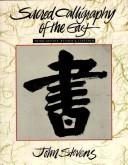
Before 1895. A one-line scroll of the five characters, by the Rinzai priest Kyodō, reproduced in John Stevens's Sacred Calligraphy of the East. The oldest brushed witness of the line found for this study is an object. Stevens's plate 151 sets two one-line scrolls, ichigyō mono, side by side, and his caption gives the second as Jikishin kore dōjō, "Single-mindedness is the place to practice the Way," by the Rinzai priest Kyodō (1808–1895) [18]. It is five large cursive characters in a single column, 直 at the head and 場 at the foot. The name, the dates and the attribution are Stevens's, and he prints the priest's name in roman letters only. The dates are those of 匡道慧潭, six times abbot of Myōshinji and head of its branch of the Rinzai school. His life in 小畠文鼎's 続禅林僧宝伝 opens 師諱慧潭。字匡道。號要津軒, has him born 於文化五年戊辰十二月朔日, on the first day of the twelfth month of 文化 5, the year conventionally given as 1808, and in the twenty-eighth year of Meiji, 1895, has him write his death verse on the thirty-first of October, lay down the brush and die, 擱筆怡然順寂。世壽八十八, at eighty-eight [53]. Name, school and both years agree, and on that agreement Stevens's Kyodō is read here as 匡道慧潭; no source known says so in words, and none ties him to the tea house. His list of credits gives the plate as From Konnichi-an, Kyoto [18]: 今日庵, the tea room at the house of the Urasenke school of tea, and a name for the school itself, 裏千家の別称 [54]. On Stevens's dating, the five characters were brushed as a one-line scroll before any text yet known speaks of brushing them, and on his credit the scroll is in a tea school's keeping.
1900. 大内青巒's 六祖法宝壇経講義. The lay Buddhist lecturer explains the Platform Sutra's passage for a Meiji public, and his gloss of the straight mind is the plainest in the record [55]: 直心とは正直心なり、正直の心とは渴して飮を求め、飢て食を求むるが如し、腹のへりて食い度いと思ふときには、食の善惡良否を問はず、これ餘念を雜へざるなり、若し餘念の少しにても雜はることあらば直心にあらず, the straight mind is the honest mind; the honest mind is like seeking drink when thirsty and food when hungry: when the belly is empty and you want to eat, you do not ask whether the food is good or bad; that is to mix in no other thought, and if even a little other thought is mixed in, it is not the straight mind.
1909. 釈宗演's 無門関講義, lectures on the Gateless Gate. Sōen became abbot of Engakuji in 1892, spoke at the Chicago parliament of religions in 1893, left Engakuji for Tōkeiji in 1905 and was made head of the Engakuji line again in 1916; the biographical dictionaries say of him 初めて欧米に禅を紹介した, he was the first to introduce Zen to Europe and America [56]. In these lectures he reaches the line in the case of 大通智勝佛 who sat ten kalpas in the place of the Way without attaining, and says what he does with it [57]: 併し此道場と云ふのも、種々に解釋が出來る、『維摩經』に直心是道場と云てある、大變良い言葉で私は時々此句を額や掛物に書いて遣つたが直心と云ふは、直き心直しき心で此の直しき心、是れ道場なりと云ふことが『維摩經』の中にある, but this "place of the Way" can be explained in several ways. The Vimalakīrti Sutra says "the straight mind is the place of the Way," a very fine phrase, and I sometimes wrote this line on plaques and hanging scrolls and gave them away; "straight mind" means a straight heart, an upright heart, and that this upright heart is the place of the Way is what the Vimalakīrti Sutra says. The print gives the two glosses their kana, なほき心 and たゞしき心: 直 read once as straight and once as right. He goes on: the hall with its high seat and its image is not the dōjō; 此の直心が取りも直さず人々固有の大道場である, this straight mind is, precisely, the great place of the Way that each person owns. This is the oldest statement of the practice in a master's own words found in the National Diet Library's full text, that he brushed the line on plaques and hanging scrolls and gave them away, and what he names is the five characters; the scroll Stevens reproduces is the older object [18]. In his 1918 lectures on the 禅海一瀾 he set the sutra's 直 beside Mencius's, 直を以て養ふ, nourish it with straightness, and beside the teacher of Hakuin [58]: 此事も『維摩經』などを見ると、『直心是れ道場』などゝ言ふてある。白隱禪師の師匠である正受老人の言葉に、『正念工夫、不斷相續』と言ふてゐる, this too, if you look in the Vimalakīrti Sutra, is said as "the straight mind is the place of the Way"; and 正受老人, the teacher of Hakuin, says "right mindfulness in practice, unbroken and continuous."
1913. 新井石禅's 精神修養日日の心得, a maxim for each day of the month. The Sōtō prelate's book of daily precepts gives the line to the twenty-second day, with the kana on the page [59]: 廿二日 何事も眞心より爲せ 直心是れ道場(維摩經), the twenty-second: do everything from the true heart. The straight mind is the place of the Way (Vimalakīrti Sutra), read jikishin kore dōjō, and pairs it with the Meiji Emperor's poem on sincerity moving even the gods. The line has left the commentaries and become a maxim.
1921. 間宮英宗's 禅とは是れぢや, popular Zen talks, reprinted 1934 and 1938. A whole chapter is titled 直心是道場, and the print sets the reading beside the line each time it quotes it, ぢきしんこれだうぢやう [60]. It retells the meeting in Japanese, 『拙者は、何處其處といふ道場から歸つて來たのではござらぬ。直心是道場なり。』, "I have not come back from any dōjō in such-and-such a place. The straight mind is the place of the Way." Then 間宮 sets aside the plain gloss: これをお經の文句だけ說明する人は、直心といふのは、眞正直な心、此眞正直な心が、其儘修行の道場であると、恁ういふ工合にいふのである。成程正直は其儘修行の道場であるけれども、禪宗禪學者一流の說明の仕方は、眞正直といふやうなことでは、未だ不可ぬのである, those who explain only the wording of the sutra say that the straight mind is a truly honest mind, and that this truly honest mind is, just as it is, the place of training. Honesty is indeed, just as it is, the place of training; but in the Zen school's way of explaining, "truly honest" will not yet do. Nor will intuition, 直覺と言つても未だ當らぬ. What will do is a sound: 物を打てばカタリと響く、今衲が前にあるところの卓を打つとすると、それに色艶を付けて聞くならば、それは直心ではない。カタリと音がした時に、其通り少しも飾らずにカタリと聞く、其處に直心が現はれて來る, strike a thing and it goes "katari"; if I strike the table in front of me and you hear it with any coloring added, that is not the straight mind. When the sound is "katari", to hear "katari", exactly so, with nothing added: there the straight mind appears. The chapter's longest story gives the line to a soldier. The regent 北條時宗 tells the Chinese master 無學祖元 that he is a layman busy every day with affairs and has not the time to sit, and the master answers 『行住座臥一切の事務、是れ最良の修禪道場なり』, "walking, standing, sitting, lying down, every piece of business is the best of halls for the practice of Zen." 間宮 names no source for the exchange, and it is not his own. 秋山悟庵's 禅と修養 of 1908 already prints it, the master's answer nearly word for word and with a clause 間宮 drops, 行住坐臥、一切の事務これ最良の修禪道場なり、是れ只管打坐の學場なり, walking, standing, sitting, lying down, every piece of business is the best of halls for the practice of Zen; this is the school of just sitting [61]; and 秋山 names no source either. The life of 祖元 in the 元亨釈書 of 1322 tells his other exchange with the regent, 莫煩惱, do not be troubled, written for him before the Mongol fleet came, and has nothing of this one [62][63]. The National Diet Library's full text has the exchange no earlier than this Meiji book of self-cultivation, and it is given here as that. He draws the moral twice: 行住座臥一に直心道場ならざるなし, walking, standing, sitting, lying down, there is nothing that is not the straight mind as place of the Way, with the Śūraṅgama's four characters; and 其心持さへあつたならば、至る所修養の道場ならざるなく、一つとして直心是道場ならざるはなしである, if only one has that state of mind, there is nowhere that is not a place of training, and nothing that is not "the straight mind is the place of the Way."
1928. 河口慧海's 国訳維摩経 漢蔵対照, the Vimalakīrti with the Tibetan set against the Chinese. The monk who walked into Tibet compares the versions and holds up this line as the model of what Kumārajīva's Chinese does that the Sanskrit cannot [64]: 漢譯は簡にして明と云ふべき點もあり、齒切れの善い言葉で單刀直入的に言ひ表はした所に言ひ知れぬ妙味快感を生ずる特長をもつてゐる。例せば「直心是れ道場虛假なきが故に」と云ふの類である, the Chinese translation has points where it may be called terse and clear, and its special quality is that in expressing things crisply and with a single direct stroke it produces an inexpressible pleasure; for instance, "the straight mind is the place of the Way, because it is without falsehood."
1911 and 1935. The Japanese translations of the sutra. 田岡嶺雲's 和訳維摩経 and 小林一郎's 維摩経講義 both print the reading with the kana, 直心是れ道場なり、虛假無きが故に, with こけ beside 虛假 [65][66], as the 1895 print of 抜隊's sermon already has it [42]. Every dated Japanese witness of the reason clause read here reads it koke naki ga yue ni.
1935 to 2003. The Zen phrase books. The five characters are a capping phrase in the modern Rinzai phrase books. Victor Hori's Zen Sand lists 直心是道場, Jikishin kore dōjō, as phrase 5.148 and keys it to the 禅語字彙 of 1935, to page 104 of 柴山全慶's 禅林句集, to the 禅学大辞典 of 1977 and to 入矢義高 and 古賀英彦's 禅語辞典 of 1991, and marks it absent from the 新纂禅語集 of 1973 [17]; 重松宗育's A Zen Forest has it as entry 796, in characters and romaji [67]. Hori reports that 柴山's revised edition of 1972 was enlarged in part to include phrases and verses often found on tea scrolls. The older phrase book is another matter, as the closing paragraph of this record says.
About 2006. 神谷昌宏, 直心是道場, an essay for the graduating members of a school kendo club. The line in a kendo teacher's words [68]. He retells the meeting, 「道場は外に求むるに及ばぬ。直心是道場、虚仮なきが故に」, "there is no need to seek a dōjō outside. The straight mind is the dōjō, because it is without falsehood"; glosses 直心 as 正直な心、素直な心、誰でも生まれながらに持っている自然の心, an honest mind, an unaffected mind, the natural mind anyone has from birth; counts kendo among the practices by which it is sought, 禅を組む修行、剣道を通して求める修行; and reports a kendo master's gloss: 小川忠太郎範士はこの直心を解説して「らしく生きる」のが直心の現れと言われた, the hanshi Ogawa Chūtarō, explaining this straight mind, said that to live as what one is, is the straight mind showing itself. It is one teacher's page and one witness; it shows the line taught in a kendo hall, not how widely it hangs in them.
2021. 横田南嶺, abbot of Engakuji, 素直な心. The abbot of Sōen's own temple takes up the line for the day he gives the kindergarten's children their certificates [69]. He sets the Chinese beside a Japanese translation from the Sanskrit manuscript, which he says was found at the Potala in 1999, 「良家の子よ、覚りの座ということは、偽りのないことで、意向という座である。」, and observes 道場は覚りの座、直心は偽りのないこととなっています, the dōjō is the seat of awakening, and the straight mind is the absence of falsehood. Then: ともあれ、「直心是れ道場」という言葉は禅語としてよく知られ、墨蹟などにもよく書かれるのであります, be that as it may, the words "the straight mind is the place of the Way" are well known as a Zen phrase and are often written in the calligraphy of Zen masters. He quotes 山田無文: 寺や建物がなくても、働いておっても、町を歩いていても、直心である時、そこが「道場」なのであります, with no temple and no building, at work, walking in town, when the mind is straight, that place is the dōjō; and for his own part reads 直心 as 至誠, utmost sincerity.
What is not a source. The 禅林句集, the old phrase book from which Japanese Zen calligraphy takes most of its lines, does not list this one among its five-character phrases, in the edition of 1688 [70] or in the Meiji re-cutting of 1889, which follows the older book phrase for phrase and page for page [71]. Its dōjō line in both is 歩歩是道塲, every step is the place of the Way, the second 歩 a repeat mark in the older print, and the supplement of added phrases, 外句増續, is already the 1688 book's and adds no 直心. The line is in the phrase books only from the twentieth century, and the Zen tradition has it from the Platform Sutra. The Śūraṅgama's 直心道場 and 心如直絃 are a parallel, not the source of the nine characters. The pairing 直心是道場,直心是淨土 is the Platform Sutra's construction from two chapters of the Vimalakīrti and is not a sentence of the Vimalakīrti itself; Yampolsky's note to the passage says so, The quotation here does not appear as such in the sutra; the first five characters are from the P'u-sa p'in (p. 542c); the second five from the Fo-kuo p'in (p. 538b) [72].
The line in English
1924. Hōkei Idumi, "The Vimalakirti Sutra," chapter IV, in The Eastern Buddhist, volume 3, page 226. The oldest English of the line read for this study is a translation of the sutra itself, from the Chinese, in the Kyoto quarterly edited by D. T. and Beatrice Lane Suzuki [9]: 'I have come from the Bodhimaṇḍala, place of enligten-ment.' I inquired: 'Where is the Bodhimaṇḍala?' He replied: 'Sincere mind is the Bodhimaṇḍala as it is without falsehood. Activity is the Bodhimaṇḍala as it accomplishes all works.' Sincere for 直 is the reading McRae came back to eighty years later. The number is dated October to December 1924 and was issued in May 1925.
1930, read in the printing of 1952. Wong Mou-lam, Sutra Spoken by the Sixth Patriarch, as edited by Dwight Goddard in A Buddhist Bible, page 523. The oldest English of the Platform Sutra's pair read for this study [10]: The Vimalakirti Nirdesa Sutra says: "Straight-forwardness is the holy place, the Pure Land." Do not let your mind be "crooked" and try to be straightforward with your lips only. Wong makes one sentence of the sutra's two, holy place for 道場 and Pure Land in apposition to it. His translation as revised with A. F. Price reads the same but for the hyphen and the capitals, Straightforwardness is the holy place, the pure land [73]; the two books are one translator and one rendering. The later book's prefatory pages date Wong's translation to 1930, published by the Yu Ching Press of Shanghai [73]. Christmas Humphreys copied the sentence into his Zen Buddhism of 1949, "Straightforwardness is the holy place, the Pure Land" said Hui-neng, quoting the Vimalakirti Nirdesa Sutra [74].
1967. Philip Yampolsky, The Platform Sutra of the Sixth Patriarch, section 14. From the Dunhuang manuscript [72]: The samādhi of oneness is straightforward mind at all times, walking, staying, sitting, and lying. The Ching-ming ching says: "Straightforward mind is the place of practice; straightforward mind is the Pure Land." Do not with a dishonest mind speak of the straightforwardness of the Dharma. The first place of practice, and his note sends the reader to the Vimalakīrti at the Taishō column.
1972. Charles Luk (Lu K'uan Yü), The Vimalakīrti Nirdeśa Sūtra, pages 38 to 39 of the 2002 reissue, chapter "The Bodhisattvas". He replied: "The straightforward mind is the bodhimandala, for it is free from falsehood. The initiated mind is the bodhimandala, for it can keep discipline. The profound mind is the bodhimandala, for it accumulates merits." Luk keeps the Sanskrit for 道場 and glosses it a holy site [11]; straightforward mind is the rendering most later hands keep.
1976. Étienne Lamotte, The Teaching of Vimalakīrti, translated from the French by Sara Boin, Pali Text Society, London, chapter III, section 55, page 95. From the Tibetan [6]: the seat of enlightenment (bodhimaṇḍa) is the seat of good intentions (kalyāṇāśaya), for they …. Lamotte's note 106 is the one that matters for the Chinese: the Chinese versions by K and H invert the order of the words adopted by the Tibetan translation: the subject becomes the predicate and vice versa: "Good intentions are the seat of enlightenment for they are unfeigned." So what Kumārajīva wrote as the straight mind is the place of the Way the Tibetan has as the place of the Way is the seat of good intention, and the word behind 直心 is āśaya, intention, not straightness.
1976. Robert A. F. Thurman, The Holy Teaching of Vimalakīrti: A Mahāyāna Scripture, page 36. From the Tibetan [7]: 'Householder, where do you come from?' He replied, 'I come from the seat of enlightenment.' I then inquired, 'What is meant by "seat of enlightenment"?' He then spoke the following words to me, 'Noble son, the seat of enlightenment is the seat of positive thought because it is without artificiality. It is the seat of effort, because it releases energetic activities. It is the seat of high resolve, because its insight is superior.' Positive thought stands where the Sanskrit has āśaya, and without artificiality is the reason clause. His note to seat of enlightenment, on page 120, gives the Sanskrit as bodhimaṇḍa and adds: It is not to be confused with bodhimaṇḍala, "circle of enlightenment." Lamotte and Gómez and Harrison give the word as he does [6][5]; bodhimandala, which Luk and the Buddhist Text Translation Society print for 道場, is by that note the other word.
1977. Buddhist Text Translation Society, The Sixth Patriarch's Dharma Jewel Platform Sutra, with the commentary of Tripitaka Master Hua, second edition, San Francisco, pages 204 to 205. As the Vimalakirti Sutra says, 'The straight mind is the Bodhimandala; the straight mind is the Pure Land.' The plainest English for 直心, the straight mind, which this history adopts [12].
1981, revised 1988. John Stevens, Sacred Calligraphy of the East, page 146 of the revised edition. Under the plate of the scroll [18]: Jikishin kore dōjō, "Single-mindedness is the place to practice the Way." It is the oldest English caption to a brushed scroll of the line read here, and it is unlike every other hand's: single-mindedness takes 直心 in the second sense the 精選版日本国語大辞典 gives, ひたむきに仏道をめざす心, and the place to practice the Way opens 道場 into its two characters.
1997. Burton Watson, The Vimalakirti Sutra, pages 54 to 55. From Kumārajīva's Chinese [13]: "I am coming from the place of practice." "The place of practice—where is that?" I asked. "An upright mind is the place of practice, for it is without sham or falsehood. The resolve to act is the place of practice, for it can judge matters properly." Of the renderings read here, Watson's alone gives 直 as upright, and doubles 虚假 into sham or falsehood.
1998. Thomas Cleary, The Sutra of Hui-neng, Grand Master of Zen, Shambhala, Boston, page 31. Good friends, absorption in one practice means always acting with a unified, direct mind in all situations, no matter what you are doing. The Pure Name Sutra says, "The direct mind is the site of enlightenment; the direct mind is the Pure Land." Cleary translates the sutra's Chinese title [14], 淨名, Pure Name, and gives 直 as direct.
2000 and 2004. John R. McRae, The Platform Sutra of the Sixth Patriarch, page 42, and The Vimalakīrti Sutra, chapter IV. In the Platform Sutra [15]: the samādhi of the single practice is to always practice the single direct mind in all one's actions, whether walking, standing still, sitting, or lying down. The Vimalakīrti Sutra says, "The straightforward mind is the place of enlightenment, the straightforward mind is the Pure Land." McRae prints the word Sutra in square brackets as his own supplement. In the sutra itself he chose differently [16]: "Sincerity is the place of enlightenment, because of the absence of falsity." One translator gives 直心 three ways, direct mind, straightforward mind and sincerity; the last is what 僧肇's gloss says the word means.
2003. Victor Sōgen Hori, Zen Sand, page 195. The five characters as a capping phrase [17]: Straightforward mind—this is the place of practice. The dash keeps the Chinese 是, and the rendering is the only one made for the phrase alone, outside either sutra.
1967 to 2012. The line in the English of tea and the martial arts. Outside the translations the line reached English as a saying in romaji, and its readers were people who train. An English number of the Oomoto magazine in 1967 glosses it to have Eternal Truth at heart, with Dojo, a Buddhist seminary [75]. Jennifer Anderson's introduction to the tea ritual (1991) describes a hanging scroll in the tea room, The words "Jikishin kore dojo" (The direct mind is the training ground) [20]; Dave Lowry (2000) gives a chapter to jikishin, from a scroll of the line hanging in a tea house, "Jiki-mind is the place to practice" [76]; William Scott Wilson's life of Musashi (2004) defines the dōjō by it, A Zen and tea saying has it that "The straightforward mind, this is the dojo." Jikishin kore dojo [21]. The iaidō teacher Miura Takeyuki named his association the Nippon Kobudō Jikishin-kai in 1975, after a well-known Zen saying, Jikishin kore dojo nari: A true spirit … is a training place [22]. The Rinzai master Shōdō Harada's book of his calligraphy (2011) prints his brushing of the five characters as Straightforward mind is the place of practice [19], and an encyclopedia of the Japanese martial arts (2012) carries the maxim under jikishin as the (real) training hall [77]. In this English the 道場 is the hall, and the line is a saying of the training hall before it is a sentence of a sutra.
2022. Luis Gómez and Paul Harrison with the Mangalam Translation Group, Vimalakīrtinirdeśa: The Teaching of Vimalakīrti, Mangalam Press, Berkeley, page 39, sections 3.54 and 3.55. The only English rendering read here that is made from the Sanskrit manuscript itself [5]: "He said to me, 'The seat of awakening, good sir, is the seat of motivation, because it is entirely genuine. It is the seat of effort, because it carries its undertakings to completion. It is the seat of ambition, because it attains distinction.'" It has motivation for āśaya and entirely genuine for the reason clause, and its note on seat says that the text plays on the senses of maṇḍa in bodhimaṇḍa, the seat or terrace of awakening as an actual location and the essence of awakening, and adds, One could therefore understand the text as saying "the seat and very essence," for this and for the following items. Its second and third seats, effort and ambition, are Kumārajīva's 發行 and 深心. Set beside Kumārajīva's, it shows how much of the line's later life is the Chinese translator's choice of the one word 直.
A reading
The line is exact in every witness and ancient in every direction I looked. It is Vimalakīrti's, in Kumārajīva's words, with the reason the sutra itself gives; a lay prince quoted it before the fifth century ended, a Japanese prince commented on it in the seventh, and Zen has it from the Platform Sutra, which made it the definition of practice in daily motion and paired it with the straight mind is the Pure Land. In China a Confucian of the Cheng school found Confucius and the Buddha agreed on it, and a poet took it for his name. In Japan it was a kana sermon by the fourteenth century, a Confucian's one-line summary of Zen by the seventeenth, a rule of honesty for Kyoto shopkeepers by the eighteenth, a one-line scroll in a tea house's keeping from the hand of a priest who died in 1895, a line a Meiji master says in 1909 that he has brushed and given away, a capping phrase in the phrase books by 1935, a saying of the tea room and the sword hall in English from 1967, and in 2021 the abbot of that master's temple says it is often brushed. Two forms have lived side by side the whole way. The commentators, the kana sermons and the translators of the sutra quote nine characters, the sentence with its reason; the Platform Sutra, Sōen's scrolls, the phrase books and the abbot use five. I do not read the five as a truncation. The Platform Sutra cut the reason away in the eighth century because it had a second clause of its own to set there, and the phrase books kept the cut because five characters is a line of verse. The nine are the sutra's answer entire; the five are the form in which Zen has carried it. The word that carries all of it is 直, straight, and that word is the translator's. The Sanskrit says a resolve, āśaya, that is unfeigned, and the English translators from the Sanskrit and the Tibetan say so; Kumārajīva chose 直 for it, and the choice was generative. The Śūraṅgama's bowstring, the Platform Sutra's crooked mind under a straight mouth, 山鹿's complaint against the working of the straight mind, 大内's hunger, 釈宗演's two readings of the one character, 間宮's insistence that honesty is not yet it: all of this is commentary on one translator's character, and none of it on the Sanskrit. I read that not as a defect in the Chinese but as what a great translation does, and 河口慧海 said as much in 1928 with the Tibetan open beside him. It is also the reason the line lived: a straight mind can be brushed, and an intention cannot. 僧肇's question is still the best commentary, why leave the quiet ground close at hand to seek an empty place far off; and Sōen's sentence, that he wrote this on plaques and scrolls and gave them away, names the tradition a new scroll of it joins.
Notes
-
虚假 and 虚仮. One word in two spellings; every witness this history quotes, from the fifth century to 1935, writes 虚假, and the modern dictionaries head the word 虚仮 [8]. The reading is koke, both characters in their go-on readings; kyoko is not a reading of these characters.
-
The Platform Sutra's quotation is not a sentence of the Vimalakīrti. 直心是道場 is from the chapter on the bodhisattvas and 直心是菩薩淨土 from the chapter on the Buddha-land; 智顗 had already read the two together, and the Platform Sutra joins them as one quotation [26][31].
-
The date 1339. The Japanese printing of 子璿's commentary is dated by the National Diet Library's catalogue record and by nothing read on the leaf [35].
References
- 「直心」, デジタル大辞泉 · 精選版 日本国語大辞典, at kotobank. https://kotobank.jp/word/直心-72620
- 「道場」, デジタル大辞泉 · 精選版 日本国語大辞典 · 改訂新版 世界大百科事典, at kotobank. https://kotobank.jp/word/道場-103713
- 鳩摩羅什 訳『維摩詰所說經』卷上, 菩薩品第四, Taishō vol. 14, no. 475, pp. 542c13–543a07, at CBETA. https://cbdata.dila.edu.tw/stable/juans?work=T0475&juan=1 ; the year, 弘始八年 (406), from 僧肇's preface to 『注維摩詰經』, Taishō vol. 38, no. 1775, p. 327b09–10, at CBETA. https://cbdata.dila.edu.tw/stable/juans?work=T1775&juan=1
- 玄奘 訳『說無垢稱經』卷二, Taishō vol. 14, no. 476, p. 565b12–13, at CBETA. https://cbdata.dila.edu.tw/stable/juans?work=T0476&juan=2 ; the year, 永徽元年 (650), from 智昇『開元釋教錄』卷八, Taishō vol. 55, no. 2154, p. 555c12, at CBETA. https://cbdata.dila.edu.tw/stable/juans?work=T2154&juan=8
- Luis Gómez and Paul Harrison, with the Mangalam Translation Group, Vimalakīrtinirdeśa: The Teaching of Vimalakīrti, Mangalam Press, Berkeley, 2022, p. 39, §§ 3.54–3.55, with note 127 at p. 193 and the glossary at p. 164. Internet Archive gomez-harrison-vimalakirtinirdesa-the-teaching-of-vimalakirti-2022. https://archive.org/details/gomez-harrison-vimalakirtinirdesa-the-teaching-of-vimalakirti-2022
- Étienne Lamotte, The Teaching of Vimalakīrti (Vimalakīrtinirdeśa), translated by Sara Boin, Pali Text Society, London, 1976, chapter III, § 55, p. 95 and note 106. Internet Archive etienne-lamotte-vimala-kirti-nirdesa-teaching-of-vimalakirti. https://archive.org/details/etienne-lamotte-vimala-kirti-nirdesa-teaching-of-vimalakirti
- Robert A. F. Thurman, The Holy Teaching of Vimalakīrti: A Mahāyāna Scripture, The Pennsylvania State University Press, University Park, 1976, in the thirteenth printing, 2000, p. 36, with note 11 to chapter 4 at p. 120.
- 「虚仮」, デジタル大辞泉 · 精選版 日本国語大辞典, at kotobank. https://kotobank.jp/word/虚仮-500122
- Hōkei Idumi, translator, "The Vimalakirti Sutra," chapter IV, The Eastern Buddhist 3, no. 3 (October–November–December 1924, issued May 1925), pp. 224 and 226; the issue's contents list it as Vimalakirti's Discourse on Emancipation (Continued). Internet Archive in.gov.ignca.11392, leaf 240. https://archive.org/details/in.gov.ignca.11392/page/n239
- Wong Mou-lam, translator, "Sutra Spoken by the Sixth Patriarch," in Dwight Goddard, editor, A Buddhist Bible, revised and enlarged edition, E. P. Dutton, New York, copyright 1938, printing of 1952, p. 523.
- Charles Luk (Lu K'uan Yü), Ordinary Enlightenment: A Translation of the Vimalakīrti Nirdeśa Sūtra, Shambhala, Boston and London, 2002, pp. 38–39; first published as The Vimalakīrti Nirdeśa Sūtra, Shambala, Berkeley, 1972.
- Buddhist Text Translation Society, The Sixth Patriarch's Dharma Jewel Platform Sutra, with the commentary of Tripitaka Master Hua, second edition, San Francisco, 1977, pp. 204–205. Internet Archive the-sixth-patriarchs-dharma-jewel-platform-sutra. https://archive.org/details/the-sixth-patriarchs-dharma-jewel-platform-sutra
- Burton Watson, The Vimalakirti Sutra: From the Chinese Version by Kumārajīva, Columbia University Press, New York, 1997, in the Motilal Banarsidass reprint, Delhi, 1999, pp. 54–55.
- Thomas Cleary, The Sutra of Hui-neng, Grand Master of Zen, Shambhala, Boston, 1998, p. 31. Internet Archive the-sutra-of-hui-neng-grand-master-of-zen-with_commentry_on_the_diamond_sutra. https://archive.org/details/the-sutra-of-hui-neng-grand-master-of-zen-with_commentry_on_the_diamond_sutra
- John R. McRae, The Platform Sutra of the Sixth Patriarch, BDK English Tripiṭaka, Numata Center for Buddhist Translation and Research, Berkeley, 2000, p. 42.
- John R. McRae, The Vimalakīrti Sutra, BDK English Tripiṭaka, Numata Center for Buddhist Translation and Research, Berkeley, 2004, chapter IV, section 7. https://archive.org/stream/AmitabhaSutra/Vimalakirti%20Sutra_djvu.txt
- Victor Sōgen Hori, Zen Sand: The Book of Capping Phrases for Kōan Practice, University of Hawai'i Press, Honolulu, 2003, p. 195, phrase 5.148, with the key to his sources at pp. 86 and 97–98.
- John Stevens, Sacred Calligraphy of the East, revised edition, Shambhala, Boston and Shaftesbury, 1988 (first edition 1981), p. 146, plate 151, with the credits to the illustrations.
- Shodo Harada, Moon by the Window: The Calligraphy and Zen Insights of Shodo Harada, Wisdom Publications, Boston, 2011, p. 157, snippet view, Internet Archive. https://archive.org/details/moonbywindowcall0000hara
- Jennifer Lea Anderson, An Introduction to Japanese Tea Ritual, State University of New York Press, Albany, 1991, p. 158, snippet view, Internet Archive. https://archive.org/details/introductiontoja0000ande
- William Scott Wilson, The Lone Samurai: The Life of Miyamoto Musashi, Kodansha International, Tokyo, 2004, glossary, s.v. dojo.
- Masayuki Shimabukuro and Leonard Pellman, Flashing Steel: Mastering Eishin-Ryu Swordsmanship, second edition, Blue Snake Books, 2008, the history of the Jikishin-kai. Internet Archive flashing-steel. https://archive.org/details/flashing-steel
- 支謙 訳『佛說維摩詰經』卷上, Taishō vol. 14, no. 474, p. 524a25, at CBETA. https://cbdata.dila.edu.tw/stable/juans?work=T0474&juan=1 ; his years of translating, 黃武二年 (223) to 建興二年 (253), from 智昇『開元釋教錄』卷二, Taishō vol. 55, no. 2154, p. 489b27–28, at CBETA. https://cbdata.dila.edu.tw/stable/juans?work=T2154&juan=2
- 僧肇 撰『注維摩詰經』卷四, Taishō vol. 38, no. 1775, pp. 363c23–364a01, at CBETA. https://cbdata.dila.edu.tw/stable/juans?work=T1775&juan=4
- 蕭子良『淨住子淨行法門』, in 道宣 撰『廣弘明集』卷二十七, Taishō vol. 52, no. 2103, p. 306b15 and b23–26, at CBETA. https://cbdata.dila.edu.tw/stable/juans?work=T2103&juan=27 ; the collection's date, 麟徳元年 (664), from 「広弘明集」, デジタル大辞泉 · 精選版 日本国語大辞典, at kotobank, https://kotobank.jp/word/広弘明集-61915 ; the prince's years, 460 to 494, from 「蕭子良」, 改訂新版 世界大百科事典 · ブリタニカ国際大百科事典, at kotobank. https://kotobank.jp/word/蕭子良-79375
- 智顗 說『維摩經略疏』卷二, Taishō vol. 38, no. 1778, p. 591b25–27 and c10–12, at CBETA. https://cbdata.dila.edu.tw/stable/juans?work=T1778&juan=2
- 吉藏 撰『維摩經義疏』卷四, Taishō vol. 38, no. 1781, p. 951a06–10, at CBETA. https://cbdata.dila.edu.tw/stable/juans?work=T1781&juan=4
- 聖徳太子『維摩經義疏』卷之中, 島田蕃根, 1897. National Diet Library pid 994570, scan 29, the line and the gloss. https://dl.ndl.go.jp/pid/994570/1/29 ; the attribution, its date of 推古 21 (613) and the doubt, 偽撰説もある, from 「維摩経義疏」, 精選版 日本国語大辞典, at kotobank. https://kotobank.jp/word/維摩経義疏-144572
- 聖徳太子『維摩經義疏』, 経世書院, 1892. National Diet Library pid 818326, scan 77. https://dl.ndl.go.jp/pid/818326/1/77
- 般剌蜜帝 訳『大佛頂如來密因修證了義諸菩薩萬行首楞嚴經』卷六, Taishō vol. 19, no. 945, p. 132c18–22, at CBETA. https://cbdata.dila.edu.tw/stable/juans?work=T0945&juan=6
- 『南宗頓教最上大乘摩訶般若波羅蜜經六祖惠能大師於韶州大梵寺施法壇經』 (the Dunhuang manuscript), Taishō vol. 48, no. 2007, p. 338b15–19, at CBETA. https://cbdata.dila.edu.tw/stable/juans?work=T2007&juan=1
- 宗寶 編『六祖大師法寶壇經』, Taishō vol. 48, no. 2008, p. 352c25–29, with 宗寶's colophon dated 至元辛卯 (1291) at p. 365a03, at CBETA. https://cbdata.dila.edu.tw/stable/juans?work=T2008&juan=1
- 『龐居士語錄』卷二, Xuzangjing vol. 69, no. 1336, p. 135c14–16, at CBETA. https://cbdata.dila.edu.tw/stable/juans?work=X1336&juan=2 ; the byline, 節度使 于頔 編集, at p. 131a08, at CBETA. https://cbdata.dila.edu.tw/stable/juans?work=X1336&juan=1 ; the oldest surviving print, 崇禎十年 (1637), and the manuscript of 西明寺, copied 文明十八年 (1486) from a text with a colophon of 嘉定十四年 (1221), from 大橋崇弘「西明寺蔵『龐居士語録』の詩偈について」, 『印度學佛教學研究』 63 (2), 2015, pp. 802–806. https://www.jstage.jst.go.jp/article/ibk/63/2/63_KJ00009870708/_pdf
- 子璿 集『首楞嚴義疏注經』卷一, Taishō vol. 39, no. 1799, p. 832a08–10, at CBETA. https://cbdata.dila.edu.tw/stable/juans?work=T1799&juan=1
- 子璿『首楞嚴義疏注經』, a Japanese printing the library's catalogue attributes to 高師直 and dates 1339. National Diet Library pid 2543435, scan 43. https://dl.ndl.go.jp/pid/2543435/1/43
- 「楊時」, 「陸游」, 「手島堵庵」, デジタル大辞泉 · 精選版 日本国語大辞典 · 日本大百科全書, at kotobank. https://kotobank.jp/word/楊時-145682 ; https://kotobank.jp/word/陸游-148570 ; https://kotobank.jp/word/手島堵庵-18905
- 楊時『龜山集』卷十 (語錄), 四庫全書本, at Chinese Wikisource. https://zh.wikisource.org/wiki/龜山集_(四庫全書本)/卷10
- 『大慧普覺禪師普說』卷四, 卍正藏 vol. 59, no. 1540, p. 962b01–04, at CBETA. https://cbdata.dila.edu.tw/stable/juans?work=M1540&juan=4 ; 大慧宗杲's years, 1089 to 1163, from 「大慧宗杲」, 改訂新版 世界大百科事典 · 日本大百科全書, at kotobank. https://kotobank.jp/word/大慧宗杲-90822
- 『大慧普覺禪師普説』, an Edo printing, vol. 4. National Diet Library pid 2559660, scan 68. https://dl.ndl.go.jp/pid/2559660/1/68
- 陸游『劍南詩稿』卷三十三「貧樂」, 四庫全書本, at Chinese Wikisource. https://zh.wikisource.org/wiki/劎南詩槀_(四庫全書本)/卷33
- 懐奘『光明蔵三昧』, 永平寺僧堂藏版, 1879, p. 20. National Diet Library pid 822966, scan 27. https://dl.ndl.go.jp/pid/822966/1/27 ; 懐奘's years, 1198 to 1280, from 「懐奘」, 改訂新版 世界大百科事典 · デジタル版 日本人名大辞典+Plus, at kotobank. https://kotobank.jp/word/懐奘-444531
- 抜隊得勝「鹽山和泥合水集」, in『禅門法語集』, 1895, pp. 162–163. National Diet Library pid 823256, scan 92. https://dl.ndl.go.jp/pid/823256/1/92
- 「抜隊得勝」, at kotobank, https://kotobank.jp/word/抜隊得勝-115096 ; 「塩山仮名法語」, 精選版 日本国語大辞典, at kotobank. https://kotobank.jp/word/塩山仮名法語-2013716
- 「永平假名法語」, in『禅門法語集 続』, 1896, pp. 4–5. National Diet Library pid 823257, scan 26. https://dl.ndl.go.jp/pid/823257/1/26
- 西山休静『禪家龜鑑』, Xuzangjing vol. 63, no. 1255, p. 743a24–b02, at CBETA. https://cbdata.dila.edu.tw/stable/juans?work=X1255&juan=1 ; 休静's years, 1520 to 1604, from 「休静」, 改訂新版 世界大百科事典, at kotobank. https://kotobank.jp/word/休静-1158945
- 『禪家龜鑑』, an undated Edo printing. National Diet Library pid 2537633, scan 24. https://dl.ndl.go.jp/pid/2537633/1/24
- 山鹿素行『山鹿語類』卷三十三, in『日本倫理彙編』古學派上, 1902, pp. 179–180. National Diet Library pid 1913275, scans 95 and 96. https://dl.ndl.go.jp/pid/1913275/1/95 ; the lectures' dates, 寛文3 (1663) to 5, from 「山鹿語類」, ブリタニカ国際大百科事典 小項目事典, at kotobank. https://kotobank.jp/word/山鹿語類-144026
- 天桂伝尊『註法宝壇経海水一滴』卷三, 1725, leaves 46–47. National Diet Library pid 2595907, scan 49. https://dl.ndl.go.jp/pid/2595907/1/49
- 手島堵菴『會友大旨』, 京都, 五樂舎塾, 安永2 (1773), CiNii Books NCID BC05831662 (the catalogue's note: 裏表紙見返しに「安永二年癸巳冬十二月 五樂舎塾藏」とあり). https://ci.nii.ac.jp/ncid/BC05831662 ; the Western date of the month, 1 January 1774 = 安永2年11月19日, from 「1774年」, Wikipedia (Japanese). https://ja.wikipedia.org/wiki/1774%E5%B9%B4
- 手島堵庵『會友大旨』, in 足立四郎吉 編『大日本風教叢書』第6輯, 1921, pp. 11–12. National Diet Library pid 957225, scans 32 and 33. https://dl.ndl.go.jp/pid/957225/1/33
- 道霈『仏祖三経指南』, printings of 1879 and 1887. National Diet Library pid 818148, scan 102, and pid 818151, scan 24. https://dl.ndl.go.jp/pid/818148/1/102
- 『鈔訳仏経要義全書』第1巻, 1892. National Diet Library pid 817849, scan 54. https://dl.ndl.go.jp/pid/817849/1/54
- 小畠文鼎『続禅林僧宝伝』第二輯 巻中, 貝葉書院, 1928, 大坂府少林寺匡道禪師傳. National Diet Library pid 1147226, scans 9 and 13. https://dl.ndl.go.jp/pid/1147226/1/9
- 「今日庵」, デジタル大辞泉 · 精選版 日本国語大辞典 · 日本大百科全書, at kotobank. https://kotobank.jp/word/今日庵-506493
- 大内青巒『六祖法宝壇経講義』, 1900, pp. 98–99. National Diet Library pid 823552, scan 50. https://dl.ndl.go.jp/pid/823552/1/50
- 「釈宗演」, デジタル版 日本人名大辞典+Plus · 20世紀日本人名事典 · 百科事典マイペディア · 日本大百科全書 (伊藤秀憲), at kotobank. https://kotobank.jp/word/釈宗演-18291
- 釈宗演『無門関講義』, 1909, pp. 70–71. National Diet Library pid 899779, scan 50. https://dl.ndl.go.jp/pid/899779/1/50
- 釈宗演『禅海一瀾講話』, 1918, National Diet Library pid 943659, scan 196; and in『釈宗演全集』第8巻, 平凡社, 1930, pp. 86–87, pid 1181376, scan 53. https://dl.ndl.go.jp/pid/1181376/1/53
- 新井石禅『精神修養日日の心得』, 1913, p. 9. National Diet Library pid 909688, scan 6. https://dl.ndl.go.jp/pid/909688/1/6
- 間宮英宗『禅とは是れぢや』, 1921, the chapter 直心是道場. National Diet Library pid 963270, scans 107, 119, 120 and 127. https://dl.ndl.go.jp/pid/963270/1/107
- 秋山悟庵『禅と修養』, 東亜堂書房, 1908, p. 128. National Diet Library pid 823241, scan 73. https://dl.ndl.go.jp/pid/823241/1/73
- 虎関師錬『元亨釋書』卷第八, 宋國祖元, 大藏經補編 vol. 32, no. 173, p. 211b23–26, at CBETA. https://cbdata.dila.edu.tw/stable/juans?work=B0173&juan=8
- 「元亨釈書」, デジタル大辞泉 · 精選版 日本国語大辞典, at kotobank. https://kotobank.jp/word/元亨釈書-60432
- 河口慧海『国訳維摩経 漢蔵対照』, 1928, p. 53. National Diet Library pid 1188552, scan 33. https://dl.ndl.go.jp/pid/1188552/1/33
- 田岡嶺雲『和訳維摩経』, 1911. National Diet Library pid 818345, scan 36. https://dl.ndl.go.jp/pid/818345/1/36
- 小林一郎『維摩経講義』, 1935. National Diet Library pid 1226141, scan 230. https://dl.ndl.go.jp/pid/1226141/1/230
- Sōiku Shigematsu, A Zen Forest: Sayings of the Masters, Weatherhill, New York, 1981, p. 152, entry 796.
- 神谷昌宏「直心是道場」, an essay for the graduating members of a school kendo club, 清教学園, about 2006. https://www.seikyo.ed.jp/pre/contents/bukatsu/js_kendo/documents/chokushin.pdf
- 横田南嶺「素直な心」, 管長のページ, 臨済宗大本山 円覚寺, 16 March 2021. https://www.engakuji.or.jp/blog/33357/
- 東陽英朝 編『増補首書 禪林句集』, 京師 小川多左衛門, 跋 貞享五年 (1688), the copy of 神戸大学附属図書館, the five-character phrases at images 38 to 50. 国書データベース. https://doi.org/10.20730/100272428
- 東陽英朝 編『禅林句集』, 文光堂, 1889. 乾, the five-character phrases at scans 41 to 53. National Diet Library pid 899715. https://dl.ndl.go.jp/pid/899715/1/43
- Philip B. Yampolsky, The Platform Sutra of the Sixth Patriarch: The Text of the Tun-huang Manuscript, Columbia University Press, New York, 1967, in the electronic edition of 2012, section 14 and its note 61.
- A. F. Price and Wong Mou-lam, translators, The Diamond Sūtra and The Sūtra of Hui-neng, Shambhala, Boston, 1990, p. 95.
- Christmas Humphreys, Zen Buddhism, William Heinemann, London, 1949, p. 73. Internet Archive in.ernet.dli.2015.223270. https://archive.org/details/in.ernet.dli.2015.223270
- Oomoto 12, nos. 5–6 (May–June 1967), snippet view, Internet Archive. https://archive.org/details/oomoto-international_may-june-1967_12_5-6
- Dave Lowry, Moving Toward Stillness: Lessons in Daily Life from the Martial Ways of Japan, Tuttle, Boston, 2000, chapter 14, "Jikishin," snippet view, Internet Archive. https://archive.org/details/movingtowardstil00lowr
- David A. Hall, Encyclopedia of Japanese Martial Arts, Kodansha USA, New York, 2012, s.v. jikishin, snippet view, Internet Archive. https://archive.org/details/encyclopediaofja0000hall
Books Cited
Books this article cites that can be ordered today.