
蛇の道は蛇 ja no michi wa hebi Snakes Follow The Way Of Serpents
蛇の道は蛇 (ja no michi wa hebi) says that those of a kind know the ways of their kind. Its words stand as a comparison in a late-Kamakura book of a monk's sayings, and a proverb collection of 1638 lists it. This study follows seven centuries of kinds it was turned on, and how English set the thief beside it.

Abstract
蛇の道は蛇, ja no michi wa hebi, says that those of a kind know their own world: the Japanese dictionaries define it as the way 同類, one of the same kind, knows the ways of its kind, and they name no kind and pass no judgment. The earliest known witness to its words is a late-Kamakura collection of Pure Land sayings, where a monk uses the line as a comparison his hearers already know; the dictionary that dates Japanese words counts that line as a parallel figure and takes the proverb's first example from a collection of 1638. For seven centuries Japanese writers turned it on every kind, the seeker of the next life, the swordsmith, the jester, the master, the hidden Christian and the thief, and from 1891 the proverb books and the bilingual dictionaries set the Western thief beside it as its equivalent. English has carried it since 1880 at the latest, and since the 1920s as Snakes follow the way of serpents with Set a thief to catch a thief beside it, while the English explanations from 1955 on keep the trade and say the thief is meant only often.
Overview
The sense. Those of a kind know their own. The 日本国語大辞典 defines the proverb as 同類の者は互いにその社会、またその方面のことに通じているということのたとえ, a figure for how those of the same kind know one another's world and its ways; the デジタル大辞泉 as 同類のすることは、その方面の者にはすぐわかる, what one's own kind does, those in that line see at once [1]. Neither names a kind. The kinds the writers chose are many: the seeker of the next life, the swordsmith, the jester, the master of an art, the hidden Christian, the informer taken from among offenders, the thief. ことわざを知る辞典 (2018) illustrates it from a 1974 novel, a man with his own share of gossip about women in the Ginza and Shinbashi laughing 蛇の道は蛇でね, and gives Set a thief to catch a thief as its English [1]. JMdict gives the wolf knows what the ill beast thinks, it takes one to know one, it takes a thief to catch a thief [2].
The words. Five characters, one of them twice. 蛇 is read two ways: ja, the Sino-Japanese reading, the great serpent; and hebi, the native word, the ordinary snake. Word for word: the great serpent's path, the snake; the small knows the great by being of its kind. 道 michi is the path, and from there a trade or a line of knowledge. The old form carries the verb, 蛇の道は蛇が知る, the snake knows; the five-character form drops it. The 日本国語大辞典 traces the form: in the middle ages 蛇の道はちいさけれどもくちなはがしる, in the Edo period the shape of the 1638 collection, and at last the shortened form, which settled [1]. The 1656 collection Sewazukushi writes じや over the first 蛇 [3]; Fujii's 1910 dictionary spells the device out, 大蛇の通りたる道筋は、小蛇よく之を察知す, the path a great serpent has passed along, a small snake perceives [4]; the 大辞泉 notes that in this phrase 蛇の道 is not read へびの道 [1].
The proverb in English. Its earliest known English is of 1880, from a German list of 1874 [5][6]. The rendering the English books share, Snakes follow the way of serpents, is first printed in the 1920s [7]; Buchanan repeats it in 1965 [8] and Galef in 1987 [9]. Beside it the books set an equivalent, and the equivalent Japanese writers had chosen, in a proverb book of 1891 and the bilingual dictionaries after it, was the thief: Set a thief to catch a thief [10][11][12]. The explanations kept the wider sense: Okada in 1955 says the proverb is often, but not always, said of a shady trade [13].
The historical record
1273. Nichiren quotes the Tiantai line. The comparison is in Japanese writing before the proverb's words are dated. The Tiantai commentator 湛然 (711–782), writing of bodhisattvas whom even Maitreya did not know, recasts a verse of the 大智度論: 然智人知智蛇自識蛇, the wise know the wise; a snake of itself knows a snake, and a Song commentary on his work names the 大智度論 as the source [14]. Nichiren quotes the line as 智人知起蛇自識蛇 in his 觀心本尊抄, whose colophon dates it to the twenty-fifth day of the fourth month of 1273, and again in three more of his writings [15]. It is a quotation of a Buddhist line, not the proverb: there is no path in it, and no character read two ways.
Late Kamakura. A sermon. The earliest known place the proverb's own words survive is the Ichigon hōdan 一言芳談, a collection of short sayings of Pure Land practitioners, which the dictionaries date only to the late Kamakura period [16]. Among the words of the monk Keibutsubō 敬仏房 [17]:
後世の學問は。後世者にあひてすべき也。非後世者ノ學生は。人を損ずるがをそろしき也。蛇の道をば蛇がしるやうに。後世の事をば後世者がしるなり。 Study for the next life should be done with one who seeks the next life. A scholar who does not seek it is dangerous to others. As the snake knows the snake's path, so one who seeks the next life knows the affairs of the next life.
He says just as, 蛇の道をば蛇がしるやうに. Two readings of that sentence stand. The 日本国語大辞典 counts the line, which it quotes as 蛇の心をば, beside the 大智度論 verse as 同義の比喩表現, a figure of the same meaning, and takes the proverb's first example from the collection of 1638 [1]. The annotated edition of 1689 glosses the line 世話にいふ事也, a thing said in common speech [18], and a nineteenth-century commentator who quotes the passage says the same, 此れ諺に云ふ事也, this is said in a proverb [19]. The sense in the monk's mouth is the expert's: only one who seeks the next life can teach it.
Kenkō names the book in Tsurezuregusa section 98, about 1330, and quotes five of its sayings, none of them this one [20].
After the Ōnin war. A tale. In the Aro kassen monogatari 鴉鷺合戦物語, the tale of the war of the crows and the herons, sometimes attributed to Ichijō Kaneyoshi and dated by the 大辞泉 after the Ōnin war [21], a mountain crow, 山烏の太郎, mocked by the others, calls himself a rustic and asks to be heard [22]:
然れば下司のたとへにも、蛇の道はちひさけれども、くちなはが知るとて、面々は若し御存知候はずとも、人げなき我等知る道や候べき。性は道によりて賢しと申せば So, as the low man's proverb has it, the serpent's path is small, but the snake knows it: you gentlemen may not know it, but may not we of no account have a path we know? For they say each nature is wise in its own way.
Two things are settled here. The line is called 下司のたとへ, the low man's proverb: its register is the street, not the monastery. And it stands beside 性は道によりて賢し, each is wise in its own line, which is the sense this reader heard in it.
1638 and 1656. The first two collections of the Edo period. The proverb is in both of the earliest collections of proverbs of the Edo period, as Fujii names them [23]. Shigeyori's Kefukigusa 毛吹草 (preface 1638, printed 1645), book two, has じやのみちはへびがしる; this is the 日本国語大辞典's first example, and Fujii reproduces the list [1][23]. Kaikyo's Sewazukushi 世話尽 (1656), book two, has 蛇の道はへびがしる with じや written over the first character [3].
1686. A Confucian on the temple registers. Kumazawa Banzan wrote his Daigaku wakumon 大学或問 in 1686; it was printed in 1788 [24]. Asked how Christianity might be ended, he answers that China has no ban and the faith cannot spread there, and then [25]:
蛇のみちはへびがしるといへる諺のごとく、吉利支丹ならでは吉利支丹は知らずといへり、今の寺請は As the proverb has it, the snake knows the snake's path: they say none but a Christian knows a Christian. The present temple registration …
John A. Tucker's translation of 2021: As with the proverb, 'only snakes know the way of snakes,' so it is said that 'unless you are a Christian, you will not recognize a Christian.' The present system requiring that people register themselves at Buddhist temples … is of no use whatsoever [26]. The hidden are known only by their own kind, so the temples cannot know them. This is the insider's face of the proverb, and it is not about crime.
1693. Saikaku's drinker. In Saikaku okimiyage 西鶴置土産, in a courtesan's letter from Edo to Kyoto, the proverb is bent [27][28]:
京の事も爰に居ながらしるは蛇の道を上戸と that I know the affairs of Kyoto while sitting here: the snake's path, and the drinker
上戸, a drinker, stands where the second snake should be. 蛇 alone also names a heavy drinker [29].
1722. A swordsmith. Chikamatsu's Tōsen banashi ima Kokusen'ya 唐船噺今国性爺, first staged in 1722 [30]: of a plot to raise loyal troops and find a man fit to lead them, the smith says 劔鍛冶の我なれば。蛇の道は蛇。疾くに聞及ぶ, being a swordsmith (the serpent's path is the snake's), I heard of it long ago. A craftsman's ear for his own trade, and the five-character stage form in print.
The eighteenth-century stage and the popular novel. The jester knows love affairs: ハテ蛇の道は蛇、色事はたいこがしります, in 竹田小出雲's play of 1759 [31]. The poet knows famous places without stirring and the smith the hammer: 歌人は坐がら名所を知る、鍛冶屋は坐がら槌を打つ、蛇の道は蛇, in a play of 文耕堂's [32]. In a novel of 1750 a man who has turned his bath-house into a teahouse hears of a retired courtesan who knows the trade and takes her as his wife against his father's counsel, 蛇の道は蛇 [33]. In 1751 a speaker defers to a house of poetry on the reading of a poem, 蛇の道はへびがしる。哥道の御家に有ながら [34]. Each is one trade knowing its own.
Two sermons and a treatise. Kantsū 関通 (1696–1770), preaching on how to help one's ancestors, first supposes a man who would rescue a captured lord and must serve in the enemy's camp in disguise to learn where he is held, then: 先祖をすくはんには、先づ蛇の道はへびがしる。精靈の居所は、佛が知り給ふ, to save your ancestors, first: the snake knows the snake's path; where the spirits dwell, the Buddha knows [35]. Keibutsubō's face, four centuries on, in the same school. An undated Noh treatise, the Gakuō hiketsu shō 楽謳秘闕抄, writing of an old master who lived to see a younger one's mastery, turns the proverb on the judge rather than the judged: 世俗の諺に蛇の道は蛇か知と云、名人を名人ならで難知事也, as the common proverb says, only a master can know a master [36].
1788 to 1816. The comic fiction. In the illustrated popular books the proverb goes wherever something is to be found out. Kyōden in 1788 gives it to a showman who has heard of a two-headed child [37]. Ikku in 1804 says it of snakes themselves: a 山かがし snake foretells that a small snake will become a great serpent, じやのみちはへびよくしるとはこのことなり, this is what they mean by the snake knowing the serpent's path [38]. In 1813 a dying man confesses how the sword 友切丸 was stolen, the proverb standing for how word of it reached him [39]; in the same year Bakin has a man plan to consult a rake about a stolen sword, 頼まば蛇の道は蛇こそしれ, ask him, and the snake will know the snake's path [40]; and in 1816 Kyōzan has one rogue see through another's pretense, じやのみちはへびじや [41]. One of them is a thief's, and one is not about people at all.
The early nineteenth century. The scholars. Ōta Zensai's Rigen shūran 俚言集覧 writes the second snake 反鼻, the viper, and cites Sewazukushi, the 大智度論 and the Ichigon hōdan [42]. Oyamada Tomokiyo's Matsunoya hikki 松屋筆記 finds the Chan line 是精識精、是賊識賊, a spirit knows a spirit, a thief knows a thief, in the Hekiganroku 碧巌録, and in a second note wonders whether the proverb is a corruption of the snake knows the snake's feet, 蛇の足をへびがしる, from the 法苑珠林's 如蛇知蛇足: …の誤にや, a mistake for …? [43]. Motoori Uchitō 本居内遠, who married into and succeeded to the Motoori house [44], in an essay on the low occupations, explains why the police take their informers from among offenders [45]:
俗諺にも蛇の道はへびがしるなどいふ如く、さるわざするものはさることの筋をよく知る故に As the vulgar proverb says, the snake knows the snake's path: those who do such deeds know the lines of such things well.
1860. The kabuki. Kawatake Mokuami's Sannin Kichisa kuruwa no hatsugai 三人吉三廓初買, first staged in 1860 [46]. In the fifth act the police chief offers 和尚吉三, the priest Kichisa, a pardon if he will hunt down his two sworn brothers, and he answers [47]:
假令いづくに隱るゝとも元が三人一つ穴、蛇の道はへびとやら、きつと尋ねて差出しませう。 Wherever they may hide, we three came out of the one hole. The snake knows the snake's path, they say: I will find them without fail and hand them over.
The illustrated book of the play from the same year has the same scene, じやのみちはへびとやら [48]. Kei Hibino and Alan Cummings's English of 2002: No matter where they've gone to ground, we were once thick as thieves. And as they say, it takes a thief to catch a thief [49]. This is the thief's face entire: a thief made a catcher of thieves.
1890 to 1933. The dictionaries. Two Meiji collections, of 1890 and 1891, print the proverb with no gloss [50][51]. In 1891 天野御民's 国民の品位 sets two Western proverbs beside it in Japanese: 西諺に曰盜人は盜人をしり狼は狼をしる又曰盜人を捕ふるに盜人を用ゆ, a Western proverb says, the thief knows the thief and the wolf the wolf; and again, to catch a thief use a thief [10]. That is the thief's equation, thirteen years before the first bilingual dictionary found to print it. 俗諺辞林 (1901) hears gamblers and pickpockets [52]. 俚諺辞典 (1906): 其道の者は其道の事を能く看破す, those of a line see through the affairs of their line [53]. 俚諺類集 (1906) writes the first snake out as 大蛇, the great serpent [54]. Fujii Otoo's 諺語大辞典 (1910) files the proverb under 専門, expertise, beside 餅は餅屋 and 藝は道によりて賢し, and prints its sources and three European parallels: One devil knows another (Italian), Set a thief to catch a thief, Set a fox to catch a fox (Danish) [4]. 大日本国語辞典 (1916): 其の道の者は、よく其の道の事を推知する譬へ, and it sends the reader here from the saying 悔草 records, seek the wise by the wise, and the thief by the thief [55]. In 1923 a speaker in Okamoto Kidō's 半七捕物帳 asks an insider's help with the line, the 日本国語大辞典's example [1]. 俚諺大辞典 (1933) repeats Fujii [56].
Today. The 日本国語大辞典 and the 大辞泉 give 同類, and ことわざを知る辞典 (2018) gives a 1974 novel's gossip and 餅は餅屋 as its kin [1]. Kurosawa Kiyoshi's film 蛇の道 of 1998, and his own remake of 2024, take the first half as a title; the 2024 film's is read hebi no michi [57].
What is not a source. Since 1689 the commentators have set Buddhist and Chinese lines beside the proverb. The 大智度論 verse, 智人能知智、如蛇知蛇足, the wise know the wise, as a snake knows a snake's feet, says in its own place that only a Buddha knows a Buddha [58]; the 1689 annotator paired it with the line, and 俚言集覧, 俚諺辞典, Fujii and the 1933 dictionary keep it, while 俗諺辞林 does not. 湛然's recasting of it is the line Nichiren quoted in 1273. The Hekiganroku's 是精識精、是賊識賊 glosses a snake-handler at the twenty-second case and recurs at others [59]. Fujii prints the Shuihuzhuan as 惺々識惺々、好漢識好漢, a form in neither of the novel's two chapters that carry the saying, which read 惺惺惜惺惺,好漢識好漢 and 惺惺惜惺惺,好漢惜好漢 [60]. A collection of 1901 sets the Lunheng's fishermen who know where the fish hide, a figure for a worthy ruler seeing through a flatterer, under the sister proverb 性は道によつてかしこし and says it is the same as this one [61][62]. Each is a parallel found after the fact. Oyamada alone proposes a derivation, and marks it as a question.
The proverb in English
1874 and 1880. Knobloch and Reed. A. von Knobloch's list of Japanese proverbs in the Yokohama society's Mittheilungen, number 45 [5]:
Dsha no mitshi wo hebi ga shiru. — Die Schlangen kennen die Wege des Dsha (eine grosse Schlange).
Edward J. Reed's Japan of 1880 names Knobloch among the sources of its list and prints the same proverbs in the same order; number 45 is the earliest known English of the line [6]:
The snakes know the paths of the dsha (a large species of snake).
1872 to 1928. The bilingual dictionaries. Hepburn's dictionary of 1872 has nothing [63]. The 1904 新撰英和熟語集 glosses Set a thief to catch a thief with the proverb in brackets [11]. Inoue Jūkichi's dictionaries of 1909 and 1911 give the same under Ja [12][64]. The 1911 英和俗語熟語故事大辞典 sets it under One devil knows another, One devil drives out another, Set a fox to catch a fox and the French A bon chat, bon rat [65]. Saitō Hidesaburō in 1915 gives it under Like attracts like: Like knows like. 英雄相知る。(又は)蛇の道は蛇; his 1918 printing has 蛇の道に蛇 there, and the proverb under Set a thief as well [66]. 竹原常太's dictionary of 1928, under ja 蛇: 蛇の道は蛇(ヘビ) set a thief to catch a thief [67].
The 1920s. Popular Proverbs of Nippon. D. J. R. Ushikubo and Aisaburō Akiyama's small book, published by Maruzen in Kyoto, dated 1926 in one library's catalogue and 1928 in another's and in Buchanan, prints the entry [7]:
蛇 ノ 道 ハ 蛇 JA NO MICHI WA HEBI. Snakes follow the way of serpents. "Set a thief to catch a thief."
The book's form on every page is the proverb in kanji with katakana particles, the romaji in capitals, a literal line, and the English equivalent in quotation marks. Both lines of the couplet the later books print are here.
1942. Kenkyūsha. Under hebi: 蛇の道は蛇. One devil knows another. | Like to like. [68]
1955. Okada. Rokuo Okada's Japanese Proverbs and Proverbial Phrases, for the Japan Travel Bureau [13]:
Ja no michi wa hebi. A serpent's way is a snake's way. People engaged in a trade can tell the dealings of those who are in the same trade or profession much better than outsiders. It is often, but not always, said of people in a shady trade like black-marketeering. The wicked know the ways of their own kind. Like knows like.
1965. Daniel Crump Buchanan, Japanese Proverbs and Sayings, page 235, in the chapter Suspicion [8]:
Ja no michi wa hebi: "Snakes follow the way of serpents." Both "ja" and "hebi" may be translated "snake" or "serpent," for the same Chinese ideograph is used. However, "ja" has also the meaning of a large serpent or snake. The significance of the above proverb is that people of the same occupation know each other, especially if it is a dishonest one. English parallel: One devil knows another.
The rendering is the 1920s book's, word for word, and Buchanan knew that book: his introduction names Popular Proverbs of Nippon, which he dates 1928, and Akiyama's enlarged edition of 1935, and his acknowledgments thank the Japan Travel Bureau for Okada's book. His especially if it is a dishonest one is Okada's often, but not always. His note on the two readings is right; his parallel is the Italian proverb Fujii printed in 1910. His book prints no Japanese.
1974. Kenkyūsha, fourth edition. Under ja 蛇: ~の道はへび. One devil knows another. / Like knows like. / Set a thief to catch a thief, with fox offered for both thieves. / The wicked know the ways of their own kind. The last is Okada's sentence [29].
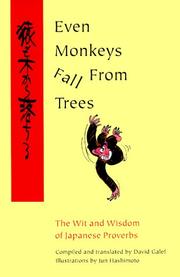
1987. David Galef, Even Monkeys Fall from Trees. Number 8, Ja no michi wa hebi. Snakes follow the way of serpents., with Jun Hashimoto's plate of a snake smoking beneath a Reward poster: the artist drew the thief. The book's separate list of English equivalents gives 蛇の道はへび with Set a thief to catch a thief [9]. It has no notes. Its preface says the book began as a weekly newspaper column and that, for the equivalents, In general, I opted for the sound of folklore.
1996. Guy A. Zona, Even Withered Trees Give Prosperity to the Mountain, page 108. One line, Snakes follow the ways of snakes, with no Japanese, no equivalent and no source [69].
2004. Edward E. Trimnell, Tigers, Devils, and Fools, page 64. His literal is The path of a snake is a serpent, and his explanation is the insider's face [70]:
The same types of people tend to share the same kinds of thoughts … conduct that seems perfectly reasonable to members of the group can seem baffling to non-members.
He prints the kanji and kana, and cites nothing; his romanization of the headword is in the notes.
2012. David Galef, Japanese Proverbs: Wit and Wisdom. The 1987 and 2000 books combined, and, by its preface, annotated for the first time [71]. Number 8 now sets the equivalent in brackets after the couplet and adds a note:
Obviously about imitation, this proverb has a sinister aspect because snakes are often viewed as sly or evil. In short, this proverb is also about corruption. A gentler form of this observation about mimicry is "Monkey see, monkey do."
That is an error. No Japanese source read here, from the Kamakura sermon to the dictionary of 2018, reads the line as imitation; every one reads it as knowledge of one's own kind.
Today. JMdict gives the wolf knows what the ill beast thinks, it takes one to know one, it takes a thief to catch a thief [2].
A reading
The proverb is about kind, not crime. Set a thief to catch a thief is what it means when the kind is thieves; 餅は餅屋, for rice cakes, the rice-cake shop, the kin proverb Fujii files beside it, is what it means when the kind is bakers. The English did not narrow it in one stroke: in the proverb books and bilingual dictionaries found, the equivalent went to the thief, the earliest in a Japanese book of 1891, while Okada's explanation, and the dictionaries that took it from him, kept the trade. I read Keibutsubō's やうに as quoting a saying already current: the 1689 annotator and a later commentator heard it so, and a Muromachi crow calls it the low man's proverb. The 日本国語大辞典 reads the same line as a parallel figure and gives 1638 as the proverb's first example. Both readings rest on one sentence, and nothing older in the proverb's own words has been found to settle between them.
Notes
- Trimnell's headword. The 2004 handbook prints the proverb as JAKU NO MICHI WA HEBI, with the kana じゃくのみちはへび [70]. 蛇 has no reading jaku; its readings are ja and hebi, and the proverb turns on the two. The entry's explanation is sound; its romanization is not, and a reader who learns the line from it will say it wrong.
References
- 「蛇の道は蛇」, 精選版 日本国語大辞典 · デジタル大辞泉 · ことわざを知る辞典 (2018), at kotobank. https://kotobank.jp/word/蛇の道は蛇-524366
- JMdict, 「蛇の道は蛇」, at Weblio 英和・和英辞典. https://ejje.weblio.jp/content/蛇の道は蛇
- 皆虚『世話尽』巻二 曳言之話, 1656, National Diet Library pid 2554768, scan 30. https://dl.ndl.go.jp/pid/2554768/1/30
- 藤井乙男『諺語大辞典』, 有朋堂, 1910, 【蛇ノ道ハ蛇ガ知ル】, scan 275, and the classified index, scan 680. National Diet Library pid 862766. https://dl.ndl.go.jp/pid/862766/1/275
- A. v. Knobloch, Japanische Sprichwörter und Redensarten, Mittheilungen der Deutschen Gesellschaft für Natur- und Völkerkunde Ostasiens, Band I, Heft 4 (January 1874), Yokohama, p. 24, no. 45. https://archive.org/details/bub_gb_8TFOAAAAYAAJ/page/n97
- Edward J. Reed, Japan: Its History, Traditions, and Religions, with the Narrative of a Visit in 1879, vol. 2, John Murray, London, 1880, chapter V, p. 107; his sources named on p. 105. https://archive.org/details/japanitshistoryt02reed/page/n126
- D. J. R. (Daijirō) Ushikubo and Aisaburō Akiyama, Popular Proverbs of Nippon, Maruzen, Kyoto, 1926 (HathiTrust's catalogue) or 1928 (the National Diet Library's, 通俗日本諺集, 丸善京都支店), p. 21. HathiTrust mdp.39015012074392, seq. 25. https://babel.hathitrust.org/cgi/pt?id=mdp.39015012074392&seq=25
- Daniel Crump Buchanan, Japanese Proverbs and Sayings, University of Oklahoma Press, Norman, 1965, p. 235; the introduction and acknowledgments for his sources.
- David Galef, Even Monkeys Fall from Trees: The Wit and Wisdom of Japanese Proverbs, illustrated by Jun Hashimoto, Charles E. Tuttle, Rutland and Tokyo, 1987, no. 8, p. 30, and the List of Proverbs with English Equivalents.
- 天野御民『国民の品位 一名・諺の一口話』, 1891, p. 172, National Diet Library pid 755479, scan 93. https://dl.ndl.go.jp/pid/755479/1/93
- イーストレーキ・越山『新撰英和熟語集』, 1904, National Diet Library pid 870143, scan 85. https://dl.ndl.go.jp/pid/870143/1/85
- 井上十吉『和英辞典』, 1909, National Diet Library pid 1869465, scan 302. https://dl.ndl.go.jp/pid/1869465/1/302
- Rokuo Okada, Japanese Proverbs and Proverbial Phrases, Tourist Library, Japan Travel Bureau, Tokyo, 1955; read in the printing of 1958, pp. 75–76.
- 湛然『法華文句記』卷9, T1719, vol. 34, p. 326b21, at CBETA; and 從義『法華三大部補注』, X0586, vol. 28, p. 308a20, naming the 大智度論. https://cbetaonline.dila.edu.tw/T34n1719_p0326b21 · https://cbetaonline.dila.edu.tw/X28n0586_p0308a20
- 日蓮『觀心本尊抄』, colophon 文永十年 (1273) 卯月二十五日, T2692, vol. 84, p. 278a02–09; also 開目抄 T2689, p. 221b15; 撰時抄 T2690, p. 248a19 and 250a05; 太田禪門許御書 T2694, p. 282c24; at SAT. https://21dzk.l.u-tokyo.ac.jp/SAT/T2692_.84.0278a02:0278a09.cit
- 「一言芳談」, 精選版 日本国語大辞典 · デジタル大辞泉 · 日本大百科全書(ニッポニカ), at kotobank. https://kotobank.jp/word/一言芳談
- 『標註一言芳談抄』巻三, in 『大日本仏教全書』第62巻, 1922, pp. 399–400. National Diet Library pid 952742, scans 204–205. https://dl.ndl.go.jp/pid/952742/1/205
- 湛澄 纂『標註一言芳談抄』, ふや村伝左衛門板, 元禄二 (1689), scan 45; colophon scan 59. National Diet Library pid 2541580. https://dl.ndl.go.jp/pid/2541580/1/45
- 的門『西要鈔辨釋』卷四, in 『的門上人全集』第4輯, 1921. National Diet Library pid 953013, scan 96. https://dl.ndl.go.jp/pid/953013/1/96
- 兼好『徒然草』第九十八段, 校註日本文學大系 text at Wikisource. https://ja.wikisource.org/wiki/徒然草_(校註日本文學大系)
- 「鴉鷺合戦物語」, デジタル大辞泉, at kotobank. https://kotobank.jp/word/鴉鷺合戦物語
- 『鴉鷺合戦物語』, in 『校註日本文学大系』, 1926. National Diet Library pid 1018100, scans 426–427. https://dl.ndl.go.jp/pid/1018100/1/427
- 藤井乙男『諺の研究』, 1929, p. 240 (江戶時代に最も早く諺を蒐集したものは毛吹草で、之に次いで世話盡がある), scan 127, and the 毛吹草 list reproduced, p. 270, scan 142. National Diet Library pid 1452761. https://dl.ndl.go.jp/pid/1452761/1/142
- 「大学或問」, デジタル大辞泉 · 日本大百科全書(ニッポニカ), at kotobank. https://kotobank.jp/word/大学或問
- 熊沢蕃山『大学或問』十五 吉利支丹の法斷絕の事, 1894 typeset. National Diet Library pid 799457, scan 35. https://dl.ndl.go.jp/pid/799457/1/35
- John A. Tucker, Kumazawa Banzan: Governing the Realm and Bringing Peace to All below Heaven, Cambridge Texts in the History of Political Thought, Cambridge University Press, 2021, p. 68.
- 井原西鶴『西鶴置土産』巻四, 岩波文庫, 1937, p. 71. National Diet Library pid 1173141, scan 39. https://dl.ndl.go.jp/pid/1173141/1/39
- 『西鶴置土産』, 元禄六 (1693) 刊, 国書データベース. https://kokusho.nijl.ac.jp/work/197320
- Kō Masuda, editor, Kenkyusha's New Japanese-English Dictionary, fourth edition, Kenkyusha, Tokyo, 1974, p. 576, s.v. ja¹.
- 近松門左衛門『唐船噺今国性爺』, 享保七 (1722) 初演 (国書データベース, https://kokusho.nijl.ac.jp/work/385126); in 『近松時代浄瑠璃』, 1896. National Diet Library pid 1883014, scan 95. https://dl.ndl.go.jp/pid/1883014/1/95
- 竹田小出雲『太平記菊水之巻』, 宝暦九 (1759) 初演 (国書データベース, https://kokusho.nijl.ac.jp/work/358532); in 『竹田出雲浄瑠璃集』, 1898. National Diet Library pid 1882729, scan 521. https://dl.ndl.go.jp/pid/1882729/1/521
- 『文耕堂浄瑠璃集』, 1900. National Diet Library pid 1882691, scan 334. https://dl.ndl.go.jp/pid/1882691/1/334
- 『教訓私儘育』(八文字屋), 寛延三 (1750). National Diet Library pid 2554857, scan 8. https://dl.ndl.go.jp/pid/2554857/1/8
- 『優源平歌嚢』(八文字屋), 寛延四 (1751). National Diet Library pid 2534229, scan 10. https://dl.ndl.go.jp/pid/2534229/1/10
- 『雲介子関通全集』第4巻, 1937. National Diet Library pid 1230141, scan 135. https://dl.ndl.go.jp/pid/1230141/1/135
- 村上美雅『楽謳秘闕抄』, manuscript, undated. National Diet Library pid 2539625, scan 52. https://dl.ndl.go.jp/pid/2539625/1/52
- 山東京伝『扮接銀煙管』, 天明八 (1788). National Diet Library pid 9892626, scan 6. https://dl.ndl.go.jp/pid/9892626/1/6
- 十返舎一九『化物太平記』, 享和四 (1804). National Diet Library pid 8929731, scan 9. https://dl.ndl.go.jp/pid/8929731/1/9
- 益亭三友 作, 鳳凰軒正二 継作『魁曽我筆之命毛』, 文化十 (1813). National Diet Library pid 9893168, scan 20. https://dl.ndl.go.jp/pid/9893168/1/20
- 曲亭馬琴『皿皿郷談』, 文化十 (1813) 刊 (国書データベース, https://kokusho.nijl.ac.jp/work/1049076); 1896 typeset, National Diet Library pid 879500, scan 41. https://dl.ndl.go.jp/pid/879500/1/41
- 山東京山『道雪柳腰帯』, 文化十三 (1816). National Diet Library pid 9893075, scan 29. https://dl.ndl.go.jp/pid/9893075/1/29
- 太田全斎『俚言集覧』, 1900 typeset. National Diet Library pid 991570, scan 182. https://dl.ndl.go.jp/pid/991570/1/182
- 小山田与清『松屋筆記』巻78 and 83, 1908 typeset. National Diet Library pid 898741, scans 131 and 181. https://dl.ndl.go.jp/pid/898741/1/131
- 「本居内遠」, デジタル版 日本人名大辞典+Plus · 精選版 日本国語大辞典, at kotobank. https://kotobank.jp/word/本居内遠
- 本居内遠「賤者考」, in 『本居内遠全集』第12, 1938, p. 178. National Diet Library pid 1117468, scan 95. https://dl.ndl.go.jp/pid/1117468/1/95
- 「三人吉三廓初買」, デジタル大辞泉 · 日本大百科全書(ニッポニカ), at kotobank. https://kotobank.jp/word/三人吉三廓初買
- 河竹黙阿弥『三人吉三廓初買』五幕目 巣鴨在吉祥院の場, 春陽堂文庫, 1931. National Diet Library pid 1110801, scan 110. https://dl.ndl.go.jp/pid/1110801/1/110
- 竹葉舎一瓢 作, 歌川国貞 画『三人吉三廓初買』三編, 合巻, 安政七 (1860). National Diet Library pid 9893725, scan 15. https://dl.ndl.go.jp/pid/9893725/1/15
- Kawatake Mokuami, The Three Kichisas and the New Year's Visit to the Quarters, translated by Kei Hibino and Alan Cummings, in James R. Brandon and Samuel L. Leiter, editors, Kabuki Plays On Stage, vol. 3, University of Hawai'i Press, Honolulu, 2002, p. 265.
- 菫花園主人 訳編『和漢泰西俚諺集』, 1890, p. 181, National Diet Library pid 758478, scan 97. https://dl.ndl.go.jp/pid/758478/1/97
- 柴垣馥 編『金諺一万集』, 1891, National Diet Library pid 755160, scan 161. https://dl.ndl.go.jp/pid/755160/1/161
- 『俗諺辞林』, 1901, National Diet Library pid 863228, scan 198. https://dl.ndl.go.jp/pid/863228/1/198
- 『俚諺辞典』, 1906. National Diet Library pid 900343, scan 138. https://dl.ndl.go.jp/pid/900343/1/138
- 岡本経朝 編『俚諺類集 一語千金』, 1906. National Diet Library pid 903906, scan 39. https://dl.ndl.go.jp/pid/903906/1/39
- 上田万年・松井簡治『大日本国語辞典』第2巻, 1916, scans 496 and 171. National Diet Library pid 954646. https://dl.ndl.go.jp/pid/954646/1/496
- 中野吉平『俚諺大辞典』, 1933, p. 473. National Diet Library pid 1453041, scan 244. https://dl.ndl.go.jp/pid/1453041/1/244
- 「蛇の道 (2024年の映画)」, Wikipedia (Japanese). https://ja.wikipedia.org/wiki/蛇の道_(2024年の映画)
- 『大智度論』卷10, T1509, vol. 25, p. 132a14–17, at CBETA. https://cbetaonline.dila.edu.tw/T25n1509_p0132a17
- 『碧巌録』第二十二則 雪峯鼈鼻蛇, T2003, vol. 48, p. 163c04, at CBETA. https://cbetaonline.dila.edu.tw/T48n2003_p0163c04
- 『水滸傳』第2回 and 第19回 (100回本), at Wikisource. https://zh.wikisource.org/wiki/水滸傳_(100回本)/第002回 · https://zh.wikisource.org/wiki/水滸傳_(100回本)/第019回
- 松本真弦 編『皇国俚諺叢』, 1901, scans 278 and 314. National Diet Library pid 767884. https://dl.ndl.go.jp/pid/767884/1/314
- 王充『論衡』答佞篇第三十三, at Wikisource. https://zh.wikisource.org/wiki/論衡/33
- J. C. Hepburn, A Japanese-English and English-Japanese Dictionary, 2nd ed., American Presbyterian Mission Press, Shanghai, 1872, s.v. JA and HEBI. National Diet Library pid 993689. https://dl.ndl.go.jp/pid/993689
- 井上十吉『新訳和英辞典』, 1911, National Diet Library pid 870153, scan 303. https://dl.ndl.go.jp/pid/870153/1/303
- 『英和俗語熟語故事大辞典』, 1911, National Diet Library pid 902975, scans 813, 818 and 843. https://dl.ndl.go.jp/pid/902975/1/813
- 斎藤秀三郎, Saito's Idiomological English-Japanese Dictionary (熟語本位英和中辞典), S.E.G. Publishing Department, Tokyo, 1915, p. 719, s.v. like · the 1918 printing, National Diet Library pid 1681530, scans 367 and 600. https://dl.ndl.go.jp/pid/1681530/1/367
- 竹原常太『スタンダード和英大辭典』, 宝文館, 1928, p. 386, s.v. ja. National Diet Library pid 1126806, scan 201. https://dl.ndl.go.jp/pid/1126806/1/201
- Takenobu Yoshitarō, Kenkyusha's New Japanese-English Dictionary, American edition, Harvard University Press, Cambridge, 1942, p. 469, s.v. hebi.
- Guy A. Zona, Even Withered Trees Give Prosperity to the Mountain: And Other Proverbs of Japan, Simon & Schuster, New York, 1996, p. 108.
- Edward E. Trimnell, Tigers, Devils, and Fools: A Guide to Japanese Proverbs, Beechmont Crest Publishing, 2004, p. 64.
- David Galef, Japanese Proverbs: Wit and Wisdom: 200 Classic Japanese Sayings, Tuttle, 2012, preface and no. 8.
Books Cited
Books this article cites that can be ordered today.