
I. JAPANESE LOVE OF BATHING
The Japanese passion for bathing is proverbial. Perhaps the people of no other country are so fond of hot-water bathing as the Japanese, who make it a rule to get into a good hot bath in the evening or even in the morning, as not a few are accustomed to do. In the house of an average Japanese is a bath-room, whether it is large and elaborate or a mere apology for one. Those who are unfortunate enough to have no bath-room in their own house pay an almost daily visit to a public bath-house. So deeply indeed is the love of hot bathing implanted in the Japanese from their childhood that it is small wonder that the national sentiments on it are reflected in some of the verses, both poetic and unpoetic, folksongs, caricatures and so forth that have been handed down from olden days.
Contrary to all European sanitary ideas, the Japanese like taking very hot baths of anything from 104° to 110° Fahrenheit. As a rule, they do not believe in bathing in moderately hot water which is so apt to give a chilly reaction. All Westerners, except those who are familiar with the life of the Japanese, are surprised to see them emerge from an extremely hot bath with their bodies red like a boiled octopus, which is the Japanese way of saying “red as a lobster.” Experience will teach the uninitiated what it is to take a bath at a very high temperature.
Once in it, they will find that it is sublime. It has been facetiously but truly remarked that in a hot bath fatigue peels off as easily as the skin off a banana.
In his “Things Japanese” a book of perennial interest, Chamberlain writes, “Cleanliness is one of the few original items of Japanese civilization. Almost all other Japanese institutions have their root in China, but not tubs.” It is true that neither the Chinese nor the Koreans go in for bathing to the same extent as the Japanese. (Incidentally, this is an instance where Western people have to be careful in using the adjective, Oriental. To speak of Oriental love of bathing, or for that matter Oriental passion for cleanliness, would be a glaring infelicity.) In proof of this statement an example may be cited. In 1493 a Korean envoy named Boku Zuishō came over to these shores. At Kyoto, the then capital of the Empire, he was deeply impressed by the Japanese system of hot bathing born of an intense love of cleanliness. On his return to his homeland, therefore, he lost no time in suggesting to those in authority that public bath-houses should be put up in the cities. He found, however, nothing but a deaf ear turned to his suggestions.
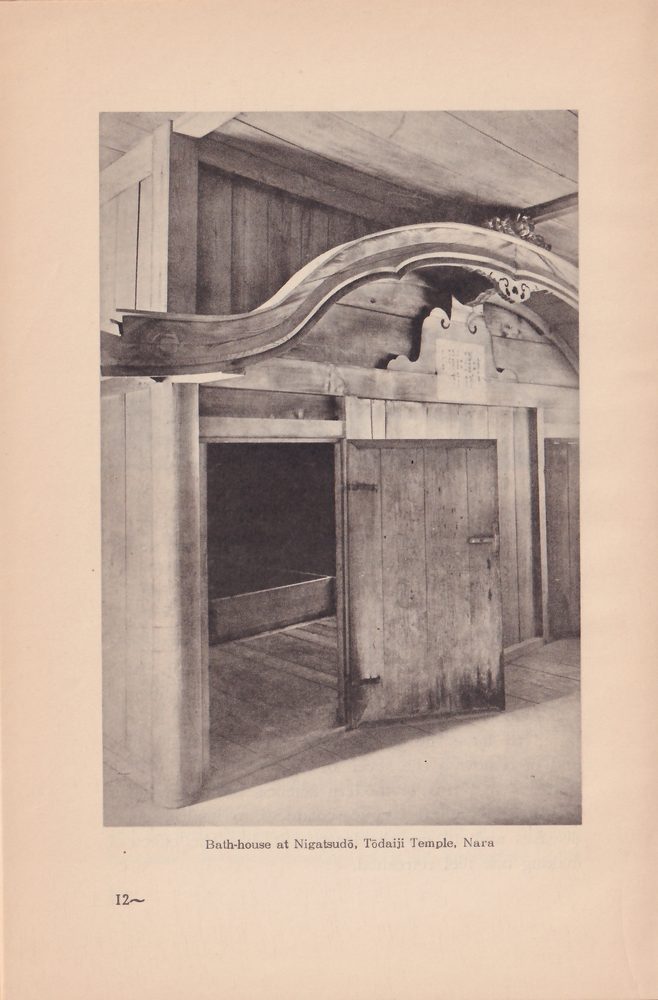
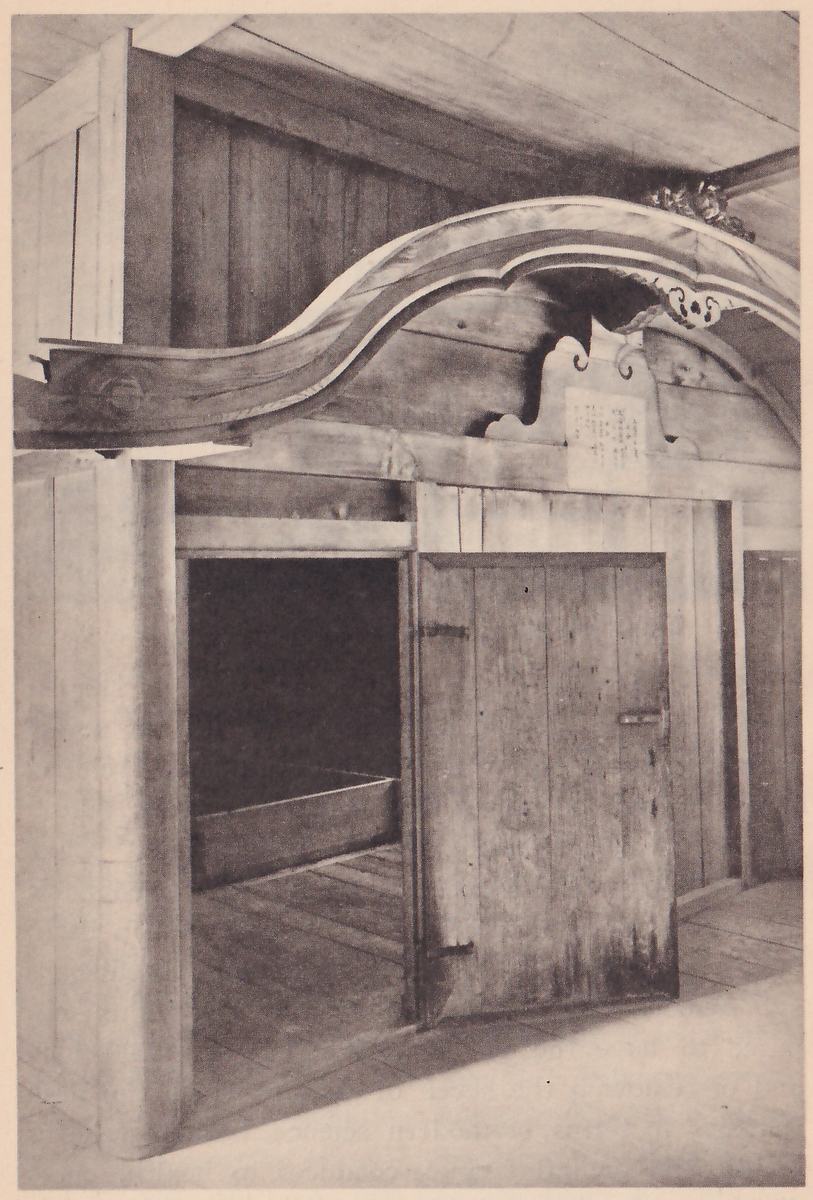
Some of the Buddhist scriptures describe the virtues of bathing, while there are not a few sutras that have references to bathing—a fact which is observable in few other religions of the world. When you visit any of the larger Buddhist fanes in Kyoto or Nara, be sure to ask the temple guide about the bath-house, and he will effusively tell you all about it. His information is as interesting as it is instructive. As
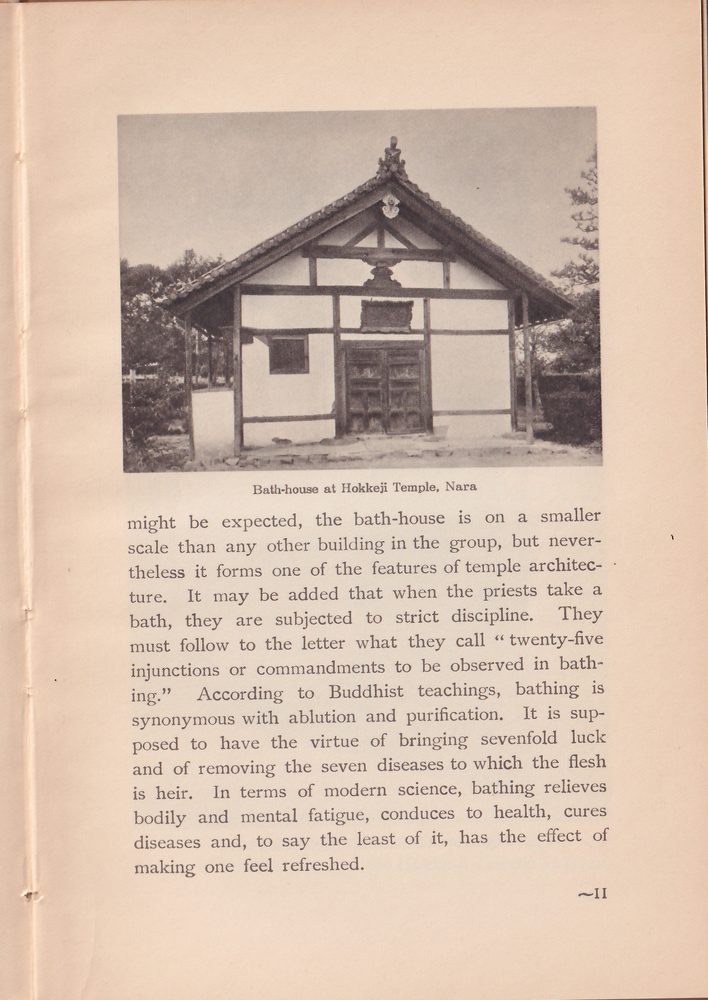
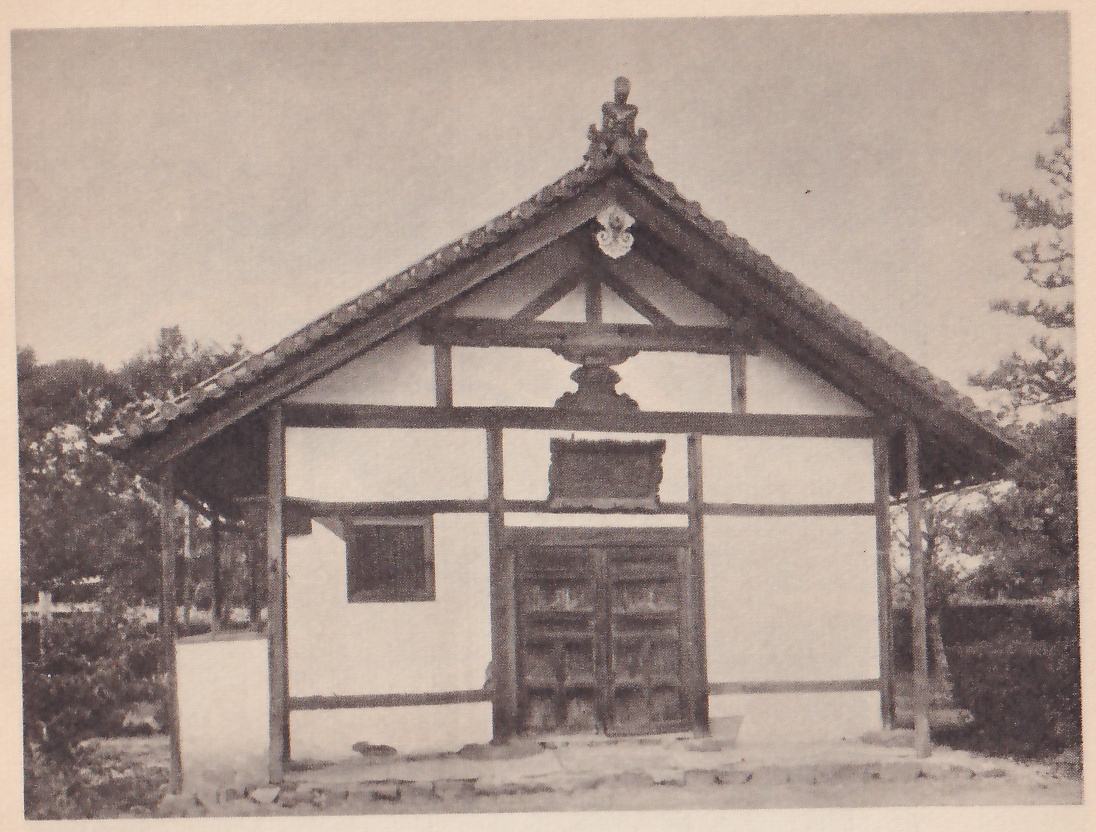
might be expected, the bath-house is on a smaller scale than any other building in the group, but nevertheless it forms one of the features of temple architecture. It may be added that when the priests take a bath, they are subjected to strict discipline. They must follow to the letter what they call “twenty-five injunctions or commandments to be observed in bathing.” According to Buddhist teachings, bathing is synonymous with ablution and purification. It is supposed to have the virtue of bringing sevenfold luck and of removing the seven diseases to which the flesh is heir. In terms of modern science, bathing relieves bodily and mental fatigue, conduces to health, cures diseases and, to say the least of it, has the effect of making one feel refreshed.
History says that Buddhism was introduced into Japan in 552 A. D. Not only people in general, but also members of the Imperial Family became devotees of the religion. In the reign of the Empress Suiko (592–629) temples were erected, and Buddhism began to exercise a stabilizing influence upon the culture of Japan. The Hōryūji Temple, near Nara, is perhaps the most important structure dating from the beginning of the seventh century. It was during the Nara Period (710–783) that Buddhism was at the height of prosperity,—a fact of which a hundred and one legacies of the period existing at fair and classic Nara speak most eloquently.
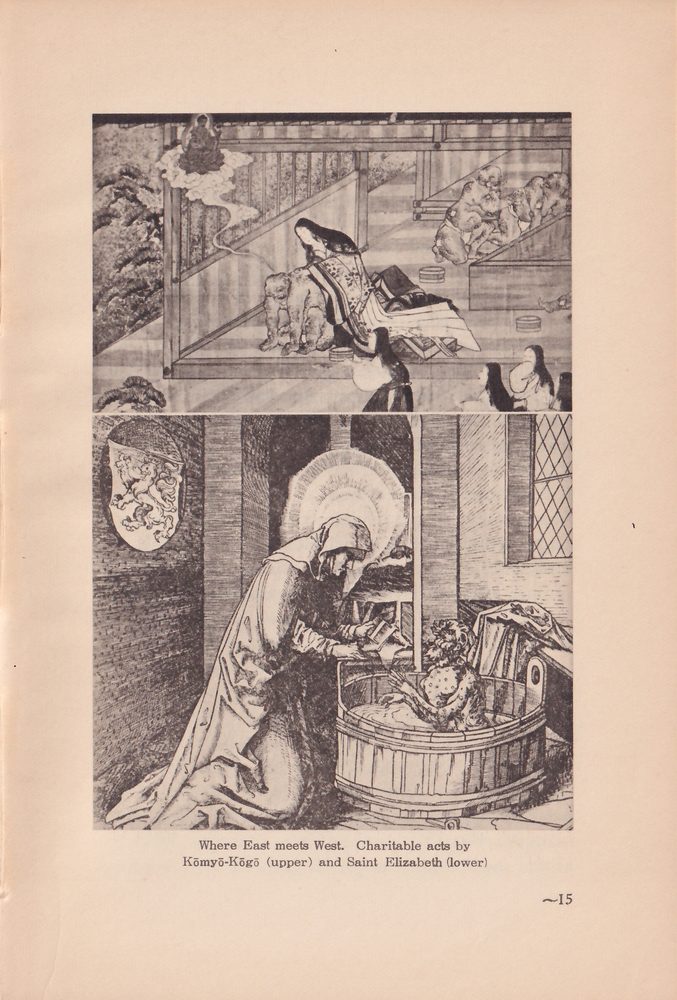
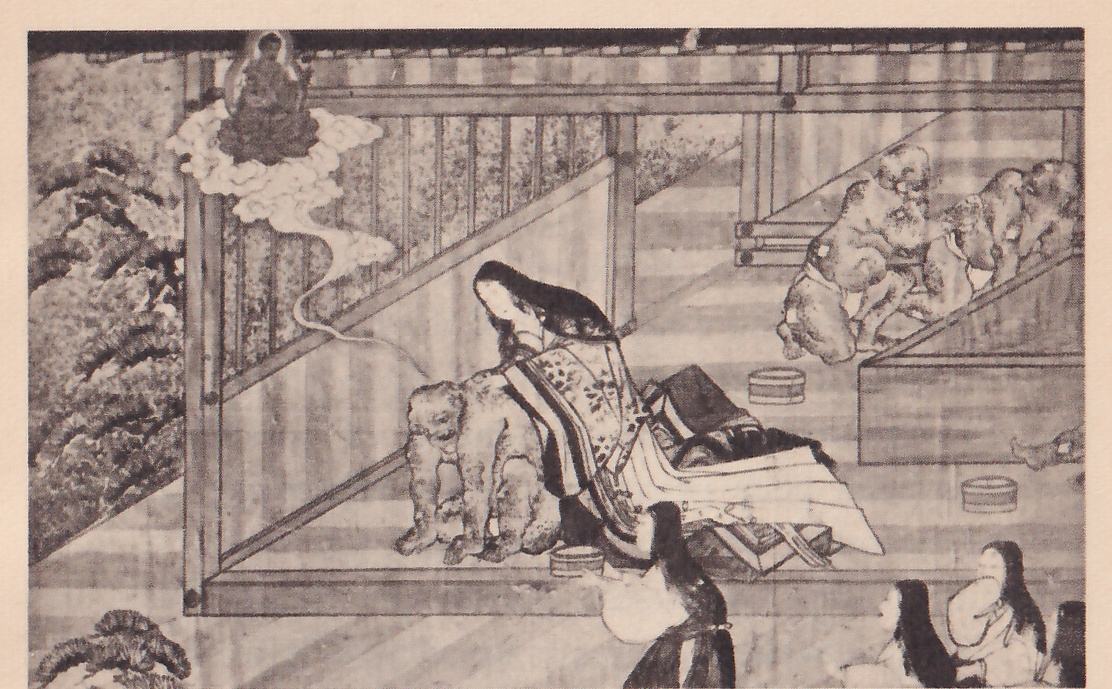
Among the good things Buddhism has given to Japan—and they are many and varied—are the virtues of compassion and charity which it implanted in the hearts of the people. The characteristic benevolence and sympathy with which it has been, and still is, the custom for the Imperial Family to regard the conditions of the people may also be attributed in a certain measure to the Buddhist religion. As an example of Imperial benevolence, let us cite the deeds of the Empress Kōmyō, consort of the Emperor Shōmu (724–748). The Empress professed Buddhism from her early days. She was one of the most beautiful women of the day and was sculptured by an artist specializing in Buddhist images. From the teachings of the Buddha she learned, among other things, the virtue of bathing. It is said of her that she deigned to wash and scrub the bodies of thousands of common people, including beggars and lepers, in the bath-room of the Hokke-ji Temple at Nara,
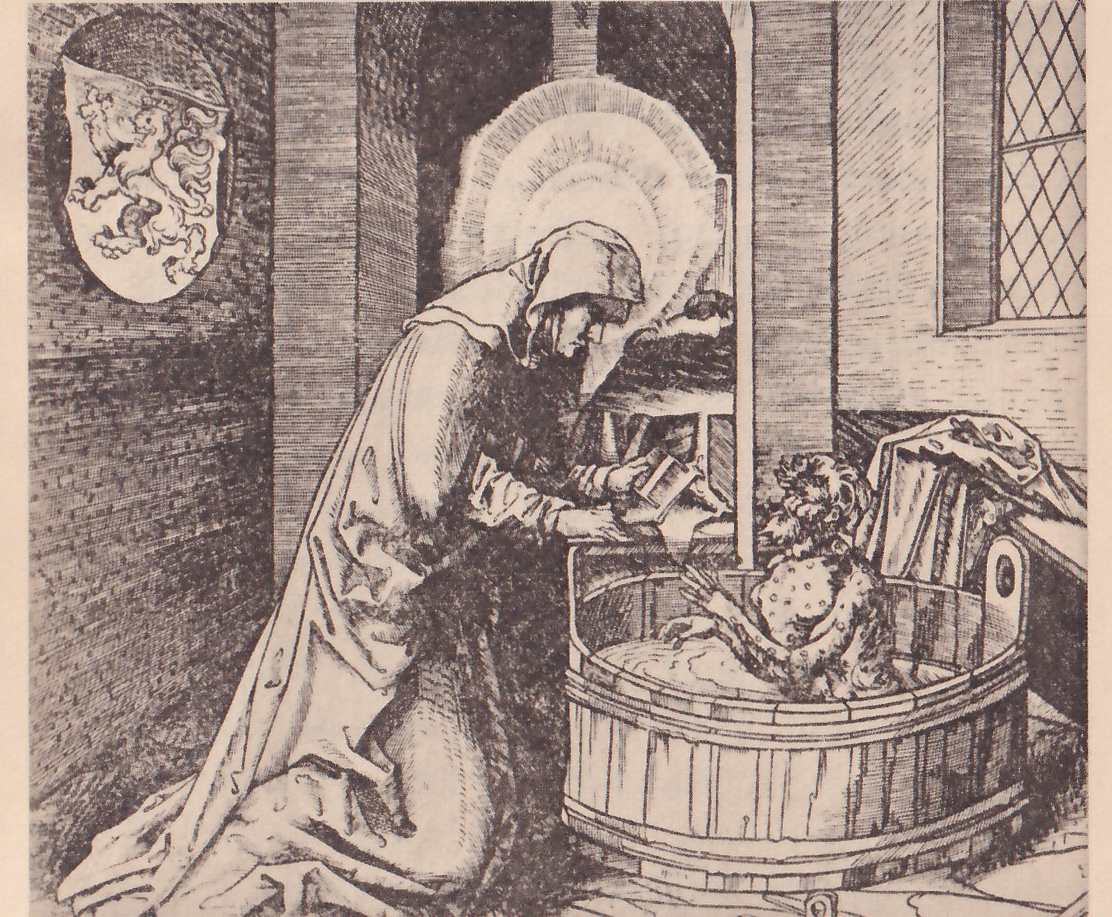
thus reminding us of Elizabeth, the Hungarian Saint, well known for her exercise of personal and private charity. The Empress Kōmyō was indeed a saintly woman. None but a fervent believer in Buddhism or in any other religion could have condescended to do what she did. The noble example set by this exalted personage subsequently gave rise to the custom of what we may call, for want of a better term, “charity-baths.” We shall now briefly deal with this custom.
A study of the history of the Japanese people will show many an inspiring story of charity and benevolence springing from faith. The above-mentioned custom of giving charity-baths created by the gracious deed of the Empress Kōmyō is typical of such stories. It appears that this practice of charity-baths was in full swing in the Kamakura Period, roughly corresponding to the time of Richard the Lion-Hearted. The practice was for a person celebrating a mass for the soul of his departed fathers to give ample opportunity for bathing to all people that came his way, irrespective of age and sex, whether friends or strangers. The period during which such opportunity for bathing was afforded depended entirely upon circumstances.
This custom of giving people an opportunity to bathe gradually evoked universal love of bathing, and led our forefathers to resort to natural baths that spring up here and there in Japan. It would be wrong to say that the custom of making use of hot springs originated in this way. For there is good reason to believe that hot springs were already popular to some extent in this country long before the introduction of
Buddhism. But it seems certain that the practice of giving charity baths led the masses to make better use of thermal springs than before.
From what has been said it may be easily inferred that the national passion for hot bathing is largely responsible for the extensive use made by the Japanese of the thermal springs in which their volcano-studded country abounds. The popularity of hot springs has always been very great. Nowadays, people visit hot-spring resorts not only to recruit, but very often for holiday-making purposes. In recent years there has been a general tendency among city folk to spend the week-end at this spa or that; so much so indeed that the Government Railways now find it a paying proposition to operate special trains for the convenience of such week-enders. There is even an important organization, inaugurated in 1929, under the name of the Japan Hot Spring Association, which has among its members a number of experts whose business it is to see that proper attention is paid to all matters relating to hot mineral springs.