



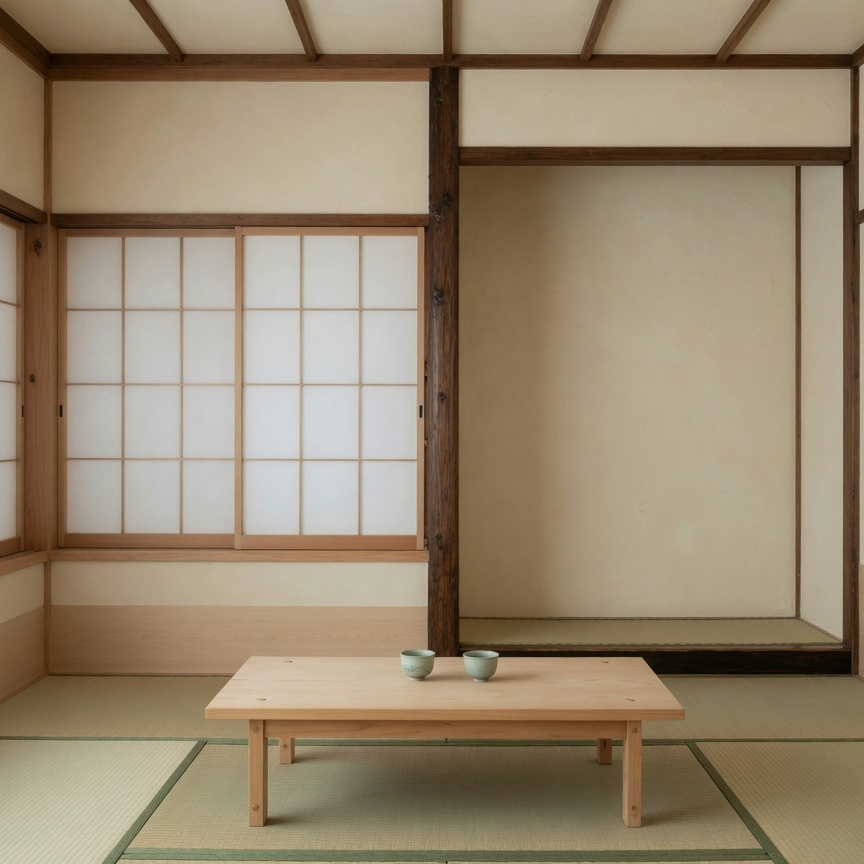

Jiun · 自運 · VD4B
Jiun (自運) is the calligrapher's word for writing from one's own invention. As a Shihan, Master Takase has a hand of her own, and these designs are that hand: she draws freely on the classic scripts to create exactly the look she wants.
起死回生
kishi kaisei
Miraculous Comeback
A miraculous comeback: the physician's praise for raising the dying, and the home run that pulls the game out of the fire.
Master Takase creates this beautiful scroll when your order is placed, personally preparing the ink and brushing your art, which proudly bears her signature and seal. This is an original work of art.
Description
Miraculous Comeback in Japanese is 起死回生 which is read kishi kaisei
起死回生 (kishi kaisei): a miraculous comeback, a recovery from the brink.
起死回生 brings back what was all but lost. Its first sense is a doctor's: to raise a dying patient and return them to life. From that it fits anything pulled back at the last moment, a nation, a business or a game won in its final inning. The first character means to raise, not to wake, so the word belongs to a recovery and never to a funeral. Whether you hang it for a comeback you made or one you are still fighting for is yours.
This beautiful art makes an excellent gift as a reminder of a great comeback victory or to remind one that where there is a will there is still a way.
起死回生 began as a Chinese physician's phrase for raising the dying and returning the dead to life, first known in a Tang-era recipe as the Song editors printed it in 1066; Kyoto printers set it in Chinese books from 1639, and its first known Japanese writer is Nakae Tōju 中江藤樹, praising the four legendary physicians in a book written about 1641 and first printed in 1649.
We want you to be as happy with the meaning as you are with Master Takase's art. To learn more, visit Philology of 起死回生.
Delivery
Your scroll is brushed when you order it and completed within 1 to 3 business days. It ships by USPS Priority Mail from Master Takase's studio in Washington State, boxed and ready to hang, with a printed page giving the art's English, romaji and Japanese.
Sending it as a gift? Add your message at checkout and we will include it.
Shipping is calculated at checkout from your address; within the United States it is $13 to $23. We ship worldwide, and any import charges for your country are shown at checkout before you pay.
Every order is covered by our 30-day money-back guarantee. If your scroll arrives damaged, or we made an error, we replace it or refund you in full, including shipping. Refund policy
About Our Scrolls
Master Japanese Calligrapher Eri Takase brushes your scroll by hand when you order it. Each scroll bears her red seal, 英利, and her signature.
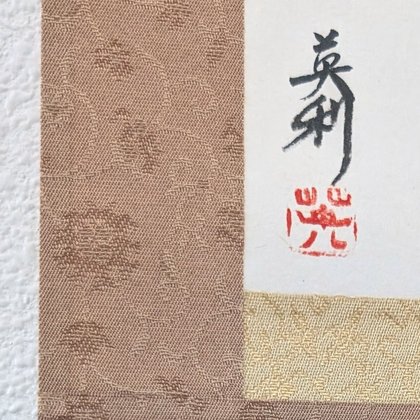
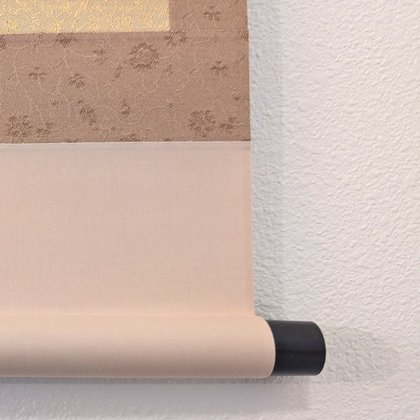
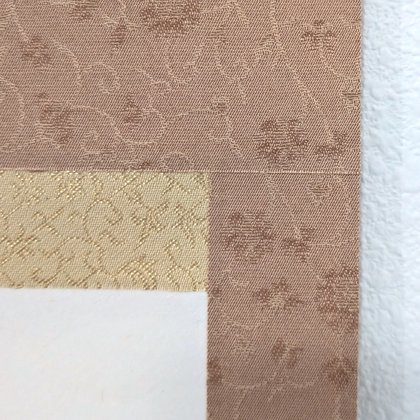
The scrolls are 12 1/4" W × 43" H (31 × 109 cm), with woven damask borders and layered Japanese paper, designed to last generations. The scrolls themselves are made by a scroll maker in Gifu, Japan, and we have worked with them for over two decades.
Eri Takase was born and raised in Osaka, Japan, and holds the rank of Shihan, the highest rank in Japanese calligraphy, from the Bokuteki-kai and the Bunka-shodo. About Master Takase


