

A miraculous comeback: the physician's praise for raising the dying, and the home run that pulls the game out of the fire.
起死回生 is a four-kanji idiom in the Japanese dictionaries: bringing back what was about to be lost, a recovery from the brink. Worn as a tattoo, it says you came back when it looked like the end.
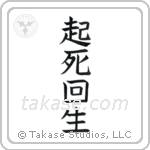
Miraculous Comeback
起死回生
kishi kaisei
Vertical Block VB4C
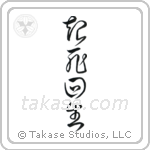
Miraculous Comeback
起死回生
kishi kaisei
Vertical Cursive VC4B
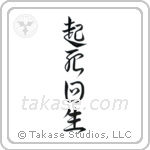
Miraculous Comeback
起死回生
kishi kaisei
Vertical Jiun VD4B
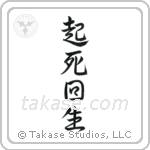
Miraculous Comeback
起死回生
kishi kaisei
Vertical Semi-Cursive VS4C
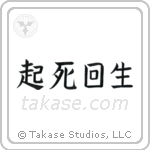
Miraculous Comeback
起死回生
kishi kaisei
Horizontal Block HB4A
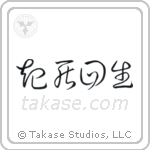
Miraculous Comeback
起死回生
kishi kaisei
Horizontal Cursive HC3A
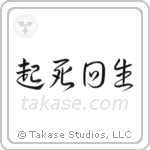
Miraculous Comeback
起死回生
kishi kaisei
Horizontal Jiun HD4A
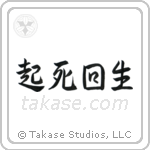
Miraculous Comeback
起死回生
kishi kaisei
Horizontal Semi-Cursive HS4A
