

One's own deeds, one's own fruit.
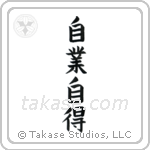
You Reap What You Sow
自業自得
jigō jitoku
Vertical Block VB5C
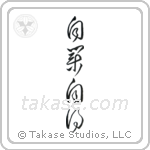
You Reap What You Sow
自業自得
jigō jitoku
Vertical Cursive VC5B
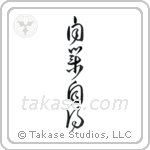
You Reap What You Sow
自業自得
jigō jitoku
Vertical Cursive VC5C
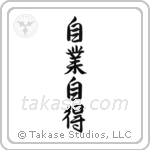
You Reap What You Sow
自業自得
jigō jitoku
Vertical Semi-Cursive VS5C
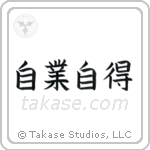
You Reap What You Sow
自業自得
jigō jitoku
Horizontal Block HB4A
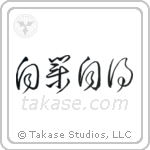
You Reap What You Sow
自業自得
jigō jitoku
Horizontal Cursive HC3A
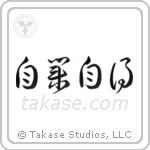
You Reap What You Sow
自業自得
jigō jitoku
Horizontal Jiun HD3A
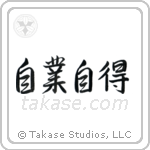
You Reap What You Sow
自業自得
jigō jitoku
Horizontal Semi-Cursive HS3A
