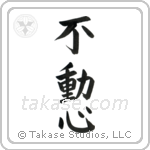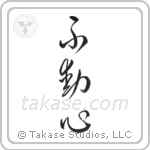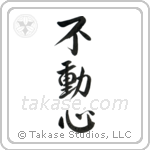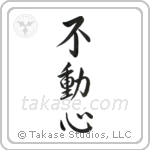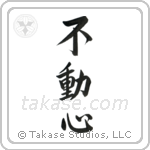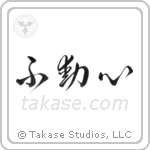

不動心 (fudōshin): the mind that cannot be moved from outside. 不 is
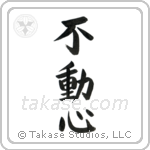
not, 動 is
move, and 心 is the heart, the mind and the spirit in one word. What the word names is a mind free to go anywhere and stuck nowhere, and every tradition that uses it takes the trouble to say so. Yagyū Munenori, in his sword manual, puts it plainly:
fudōshin is being just as you always are, and when something comes at your eyes you blink; trying not to move is itself having moved, and the man who does not blink is the one who has been rattled. Takuan's famous letter to him uses a sister word, 不動智, immovable wisdom, and adds that it does not mean being insentient like a stone or a tree. The word belongs to three traditions at once: the Confucian classic where it was born, the dōjō, where it means a cool head under fire, and the Meiji philosophers, who chose it for the Stoics'
apatheia, living undisturbed.
Steadfast is a better English for it than
immovable, because a person can be steadfast at a run. It fits a sensei, and it fits someone who has been through something and did not bend, which are two different gifts. 不動心 is composed of the
kanji 不 (read fu) meaning "not",
動 (read dō) meaning "move", and
心 (read shin) meaning "heart; mind; spirit".