
Fine Japanese Calligraphy

The Art of Master Japanese Calligrapher Eri Takase

0

了了知 ryōryōchi Complete Understanding

Knowing clearly, clearly.
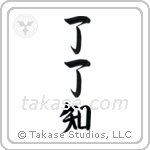
Complete Understanding (了了知) in Block style Japanese calligraphy by Eri Takase
Complete Understanding 了了知 ryōryōchi Vertical Block VB2C
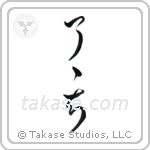
Complete Understanding (了了知) in Cursive style Japanese calligraphy by Eri Takase
Complete Understanding 了了知 ryōryōchi Vertical Cursive VC2B
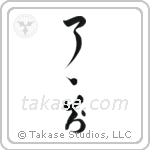
Complete Understanding (了了知) in Design style Japanese calligraphy by Eri Takase
Complete Understanding 了了知 ryōryōchi Vertical Design VD5B
Complete Understanding (了了知) in Semi-Cursive style Japanese calligraphy by Eri Takase
Complete Understanding 了了知 ryōryōchi Vertical Semi-Cursive VS3C
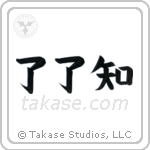
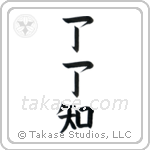
Complete Understanding (了了知) in Block style Japanese calligraphy by Eri Takase
Complete Understanding 了了知 ryōryōchi Horizontal Block HB2A
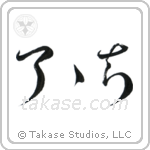
Complete Understanding (了了知) in Cursive style Japanese calligraphy by Eri Takase
Complete Understanding 了了知 ryōryōchi Horizontal Cursive HC2A
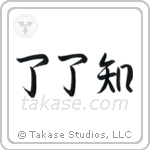
Complete Understanding (了了知) in Semi-Cursive style Japanese calligraphy by Eri Takase
Complete Understanding 了了知 ryōryōchi Horizontal Semi-Cursive HS2A
More about 了了知

Knowing clearly, clearly: a mind that sees what is in front of it as it is, with nothing left over and nothing clouding it. The phrase has been said in three ways, and the three characters hold all of them. The first is the complete, present knowing the sutras give the Buddha. The second is the plain knowing of a man who hears himself cursed, knows it, and does not answer. The third is the knowing Zen teachers point to, clear because there is nothing in it to be unclear about. Which of the three you see in the characters is yours.

Complete Understanding is our English for it. On its own 了 can mean to finish, but doubled it means clearly. Several of the designs write the second 了 as a repeat mark.

The three characters are an ordinary Buddhist phrase, in Chinese scripture from a translation of 179 and in a Tang poem of Hanshan's; the six-character Zen line they open, knowing clearly, seeing clearly, is found first with the Chinese master Mugaku Sogen, who used it twice, the second time to open the verse he gave the regent Hōjō Tokimune at his tonsure in 1284, on the day Tokimune died.

We want you to be as happy with the meaning as you are with Master Takase's art. To learn more, visit Philology of 了了知.

About the Designs

Each design is Master Japanese Calligrapher Eri Takase's hand-brushed calligraphy of the word or phrase on this page, delivered as a PDF you can print. Every PDF includes the line art, so a tattoo artist or a craftsperson can work from the outline as well as the brushed image.

Licensing

Your purchase includes a personal-use license: use the design as a tattoo reference, frame it, engrave it, print it for yourself, or make it into a gift. For more information see Licensing, which also covers commercial-use options that may be purchased separately.

Delivery

Your PDF is available for download the moment your order completes, and a copy is attached to your emailed receipt.

If you need your design again later, ask us for it and we will send it.

Complete Understanding as a hand-brushed scroll

Master Takase personally brushes your scroll when you order, and it bears her red seal and her signature. The scroll has real silk borders and layered Japanese paper, so it hangs straight, and it arrives ready to display.