

A fresh start, with a complete change of heart.
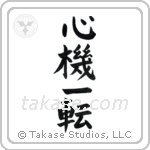
Complete Change of Mind
心機一転
shinkiitten
Vertical Block VB3C
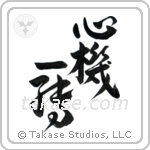
Complete Change of Mind
心機一転
shinkiitten
Vertical Jiun VD2B
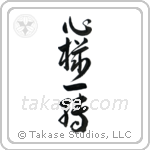
Complete Change of Mind
心機一転
shinkiitten
Vertical Jiun VD3B
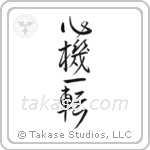
Complete Change of Mind
心機一転
shinkiitten
Vertical Jiun VD3C
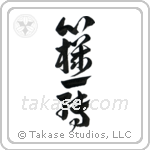
Complete Change of Mind
心機一転
shinkiitten
Vertical Jiun VD3D
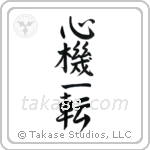
Complete Change of Mind
心機一転
shinkiitten
Vertical Semi-Cursive VS3C
